One of the biggest challenges of following a plant-based diet is getting enough protein. After awhile, it might seem like you’re eating the same tofu and veggie burgers on repeat. It’s easy to get bored and burnt out.
Additionally, getting a variety of protein sources is just as important as getting enough protein when you follow a vegan diet. Many plant-based proteins lack essential amino acids, but diversifying your protein sources can fill in the gaps.
Here are 5 vegan protein hacks if you want to mix it up and boost your nutrition at meals.
1. Bulk Up Your Breakfast
How are you getting your protein at breakfast if eggs are off the table? Scrambled tofu is a really good option, with 9 grams of protein in 3 ounces. Add some veggies and a sprinkle of nutritional yeast for flavor and a little more protein (2 grams per tablespoon).
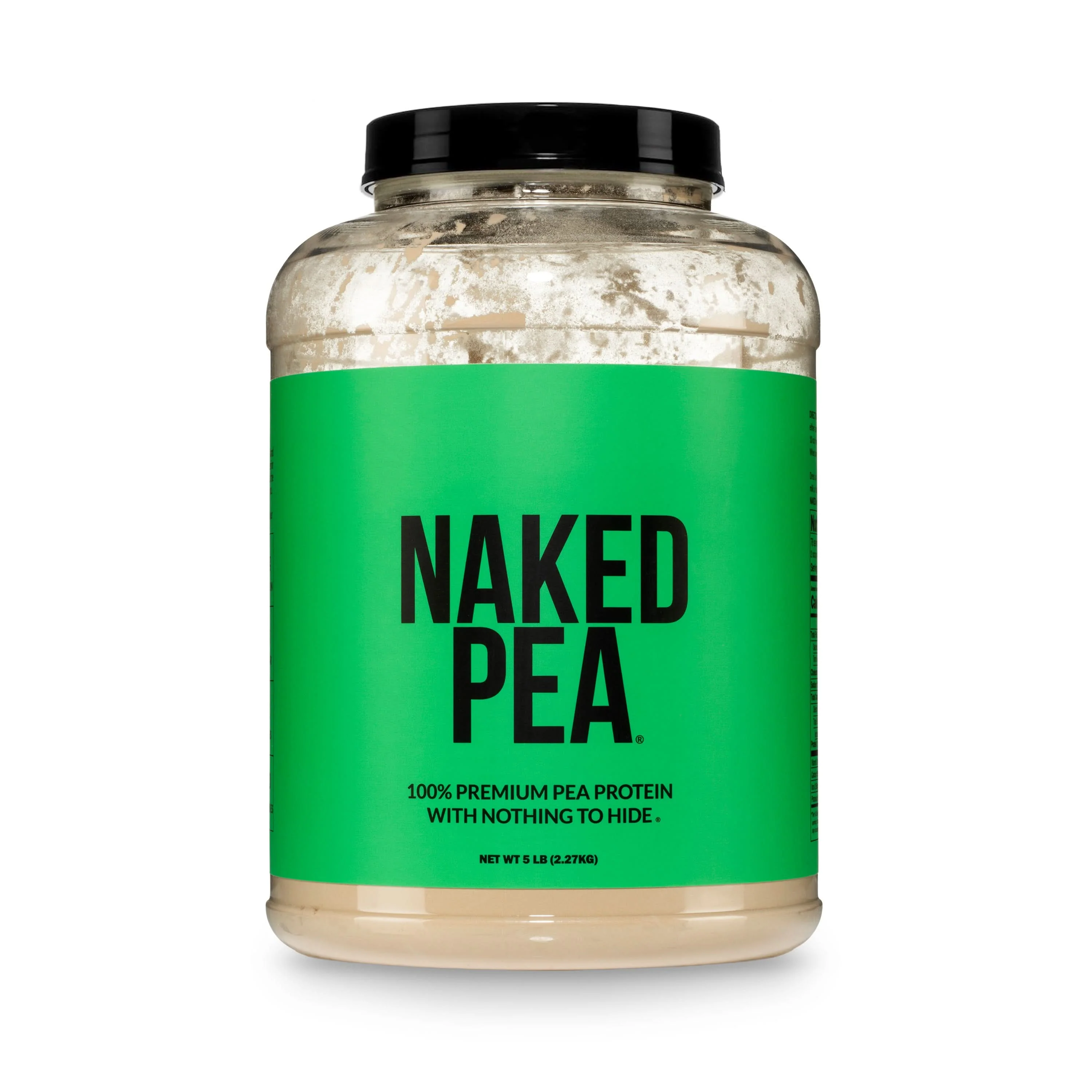
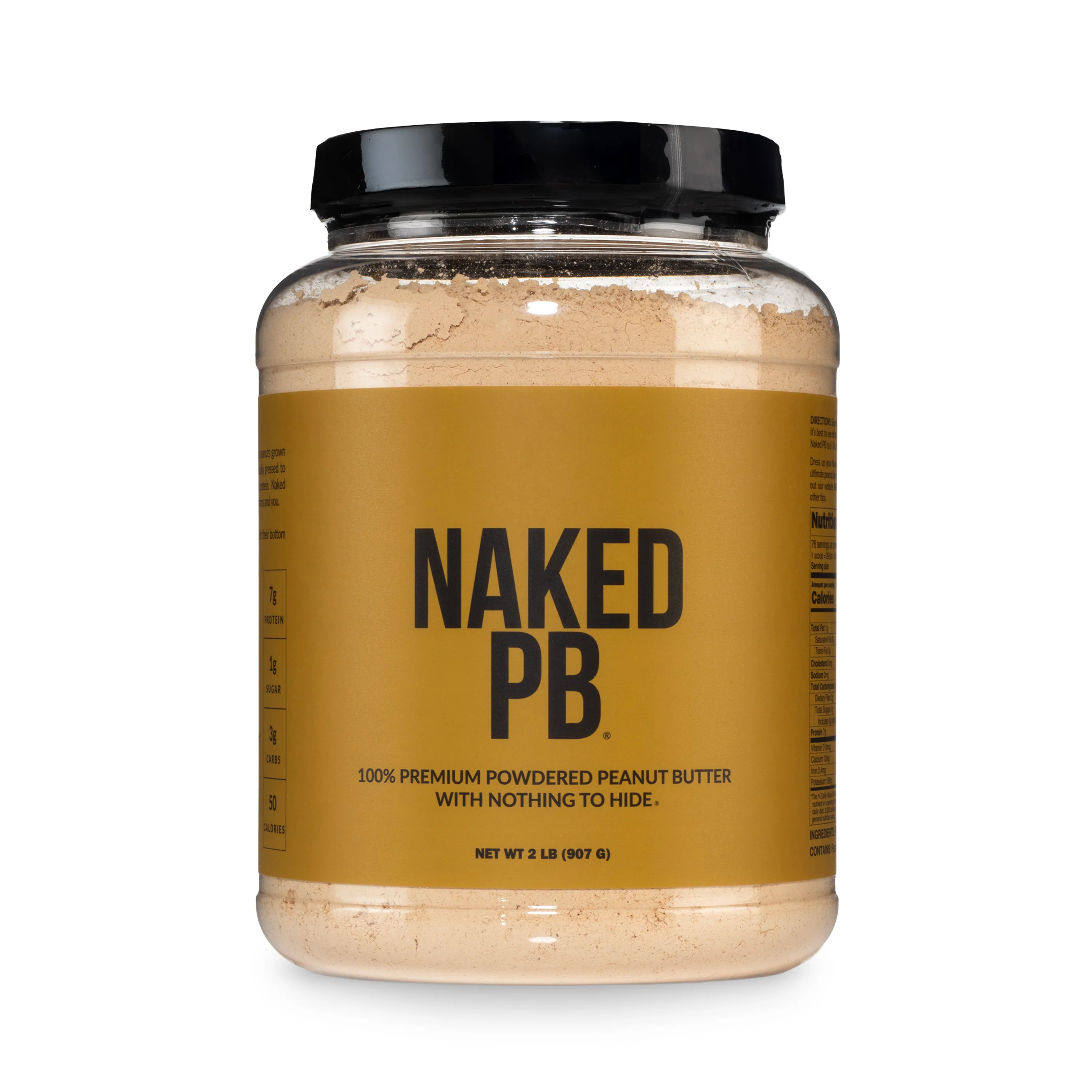
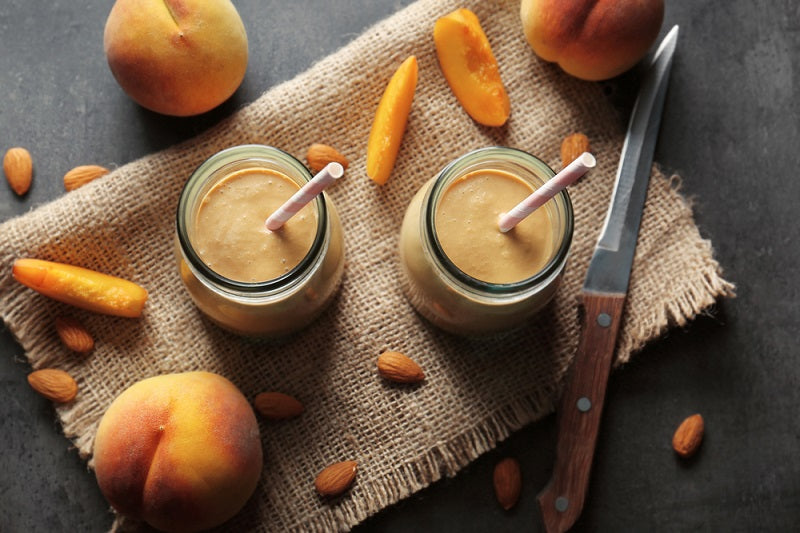
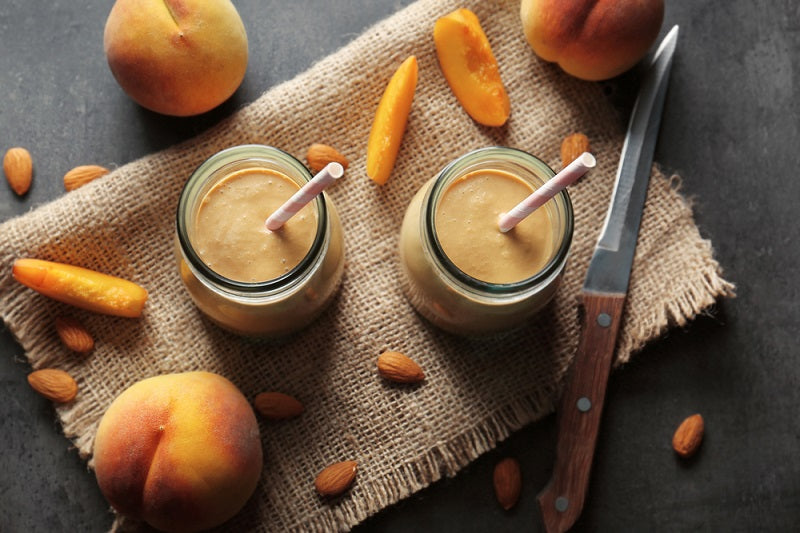
If you’re constantly on the go, you might be a smoothie person at breakfast. But if you’re constantly blending up fruit, greens and almond milk, you’re not getting much protein. It’s actually really easy to pack protein into your smoothie with nut butter, peanut butter powder, soy milk, mashed beans (sounds weird, but it’s good), or the obvious one - vegan protein powder.
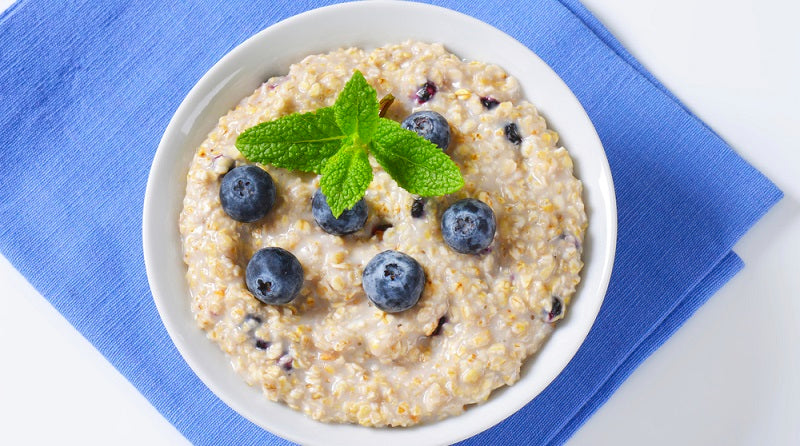
If you prefer something more filling but still quick and portable for breakfast, go for a bowl of oatmeal and add any of the ingredients we just talked about.
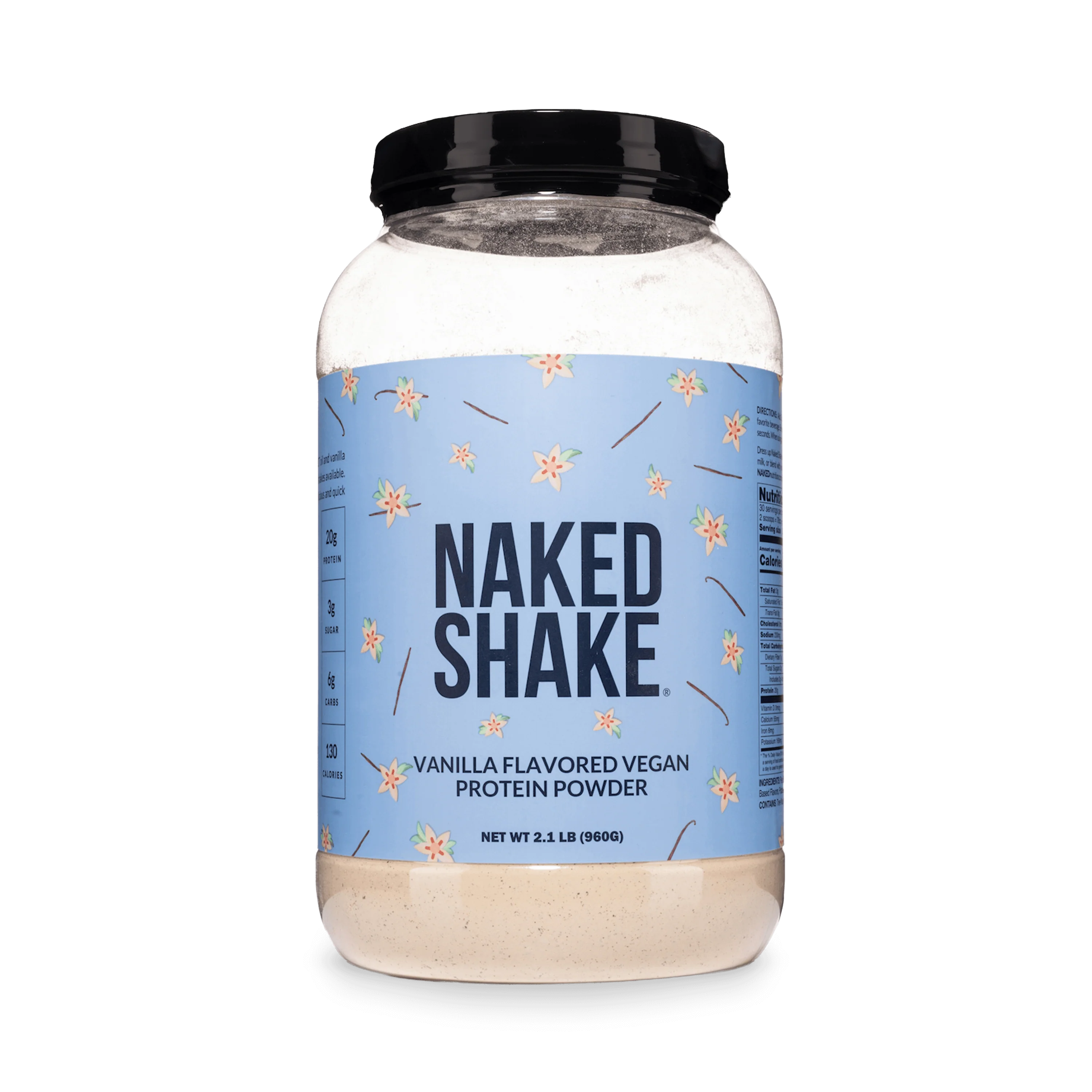
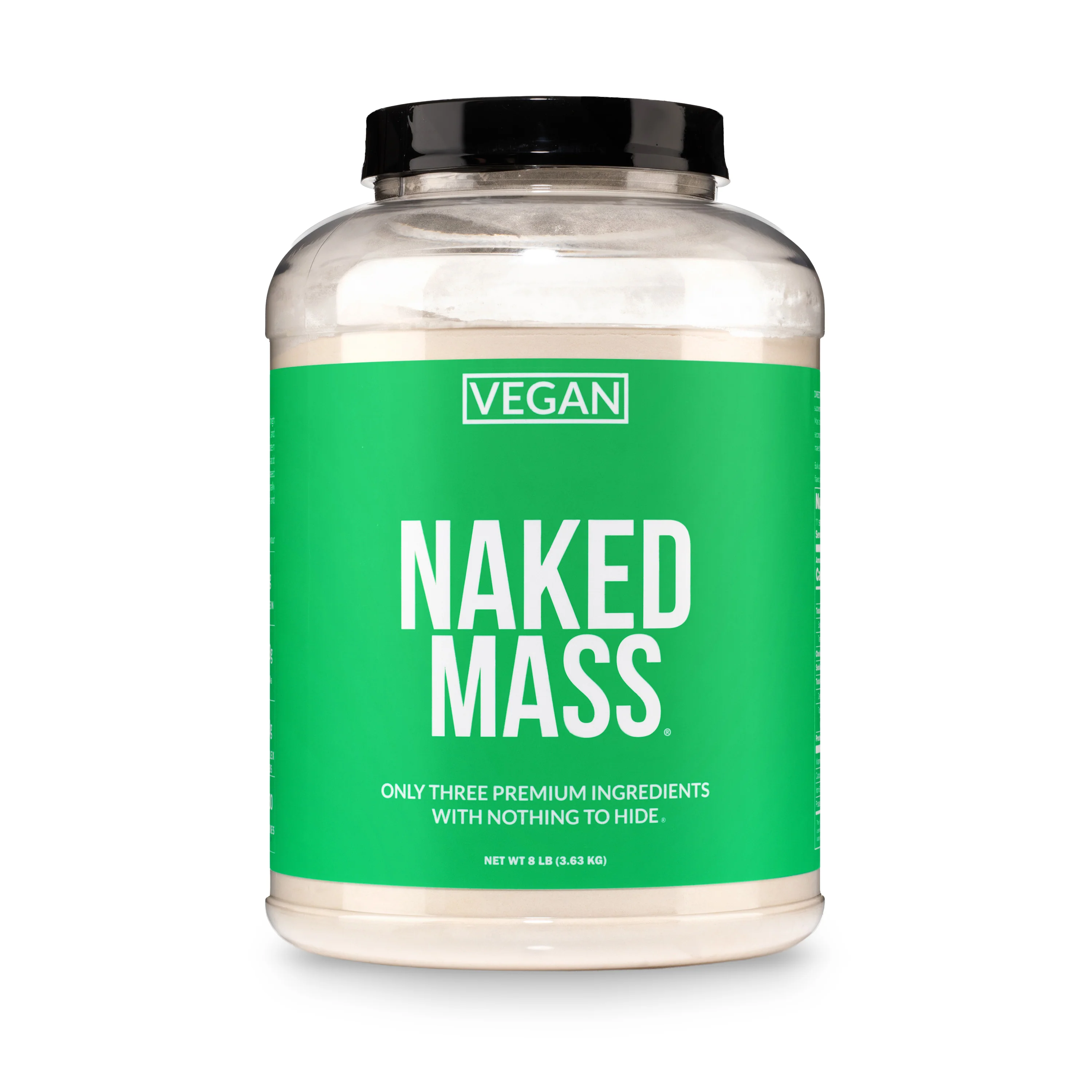
2. Grab Naked Shake
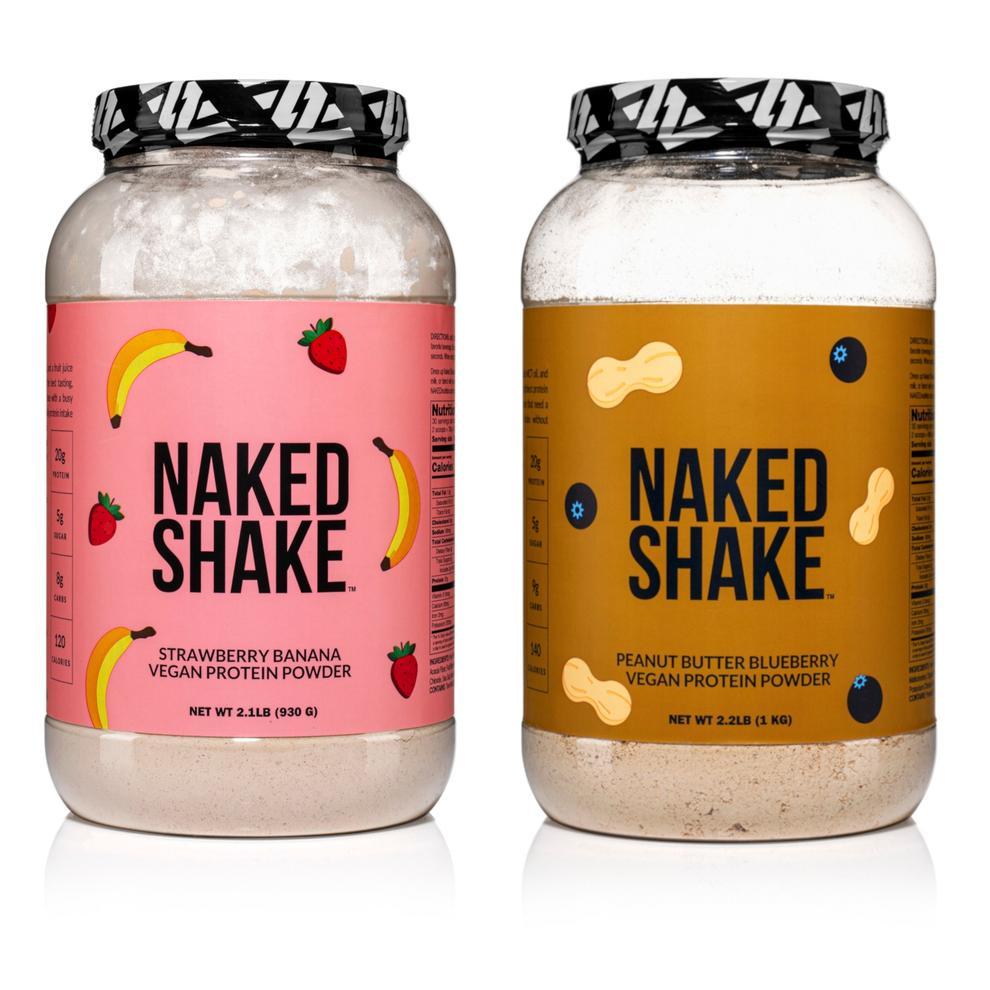
This might be the easiest vegan protein hack out there. All you have to do is mix a couple scoops into water or your favorite beverage and you have a convenient, portable way to supplement your protein intake.
Naked Shake is a vegan protein shake made with high-quality pea protein, which is one of the most easily absorbed forms of vegan protein.
Each serving provides 20 grams. The added bonus of MCT oil and a fruit juice made with bananas and strawberries make this shake delicious and satisfying.
Although this Naked product contains a longer list of ingredients than others, it was created with taste as a priority. Still, every ingredient is premium quality. If you’re always on the go, Naked Shake is the vegan protein hack you need.
3. Get Creative with Beans
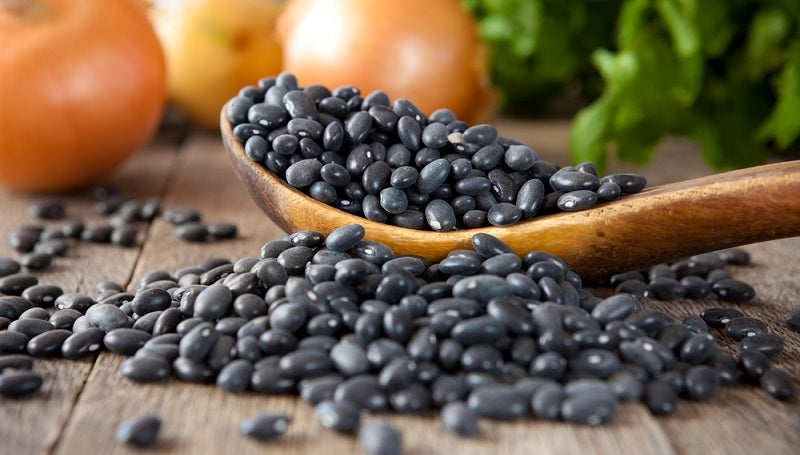
Beans are an excellent source of protein, and there are more ways to eat them than as a side dish. Maybe you’re already a pro at mashing beans into veggie burger patties. Mashed beans are great in other recipes too. You can use them in baked goods (think black bean brownies), to thicken and bulk up your favorite soup, or even in oatmeal and mashed potatoes.
Mashed beans are generally mild in flavor and just add a thicker consistency. They also bulk up the nutrition in your meal. One cup of canned white beans packs 19 grams of protein.
4. Add Nuts and Seeds
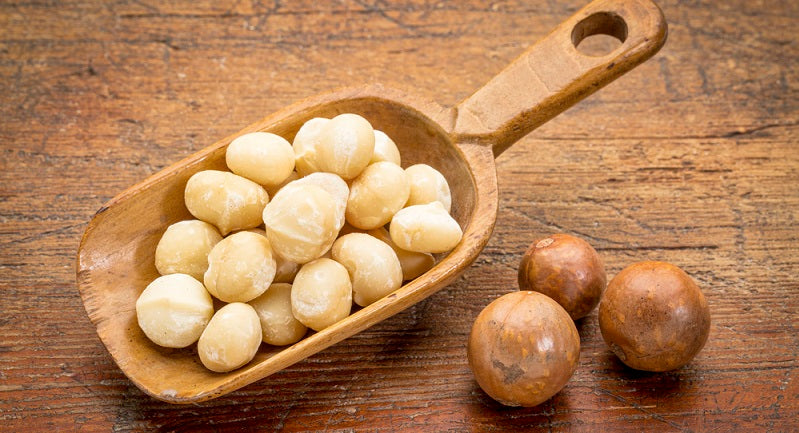
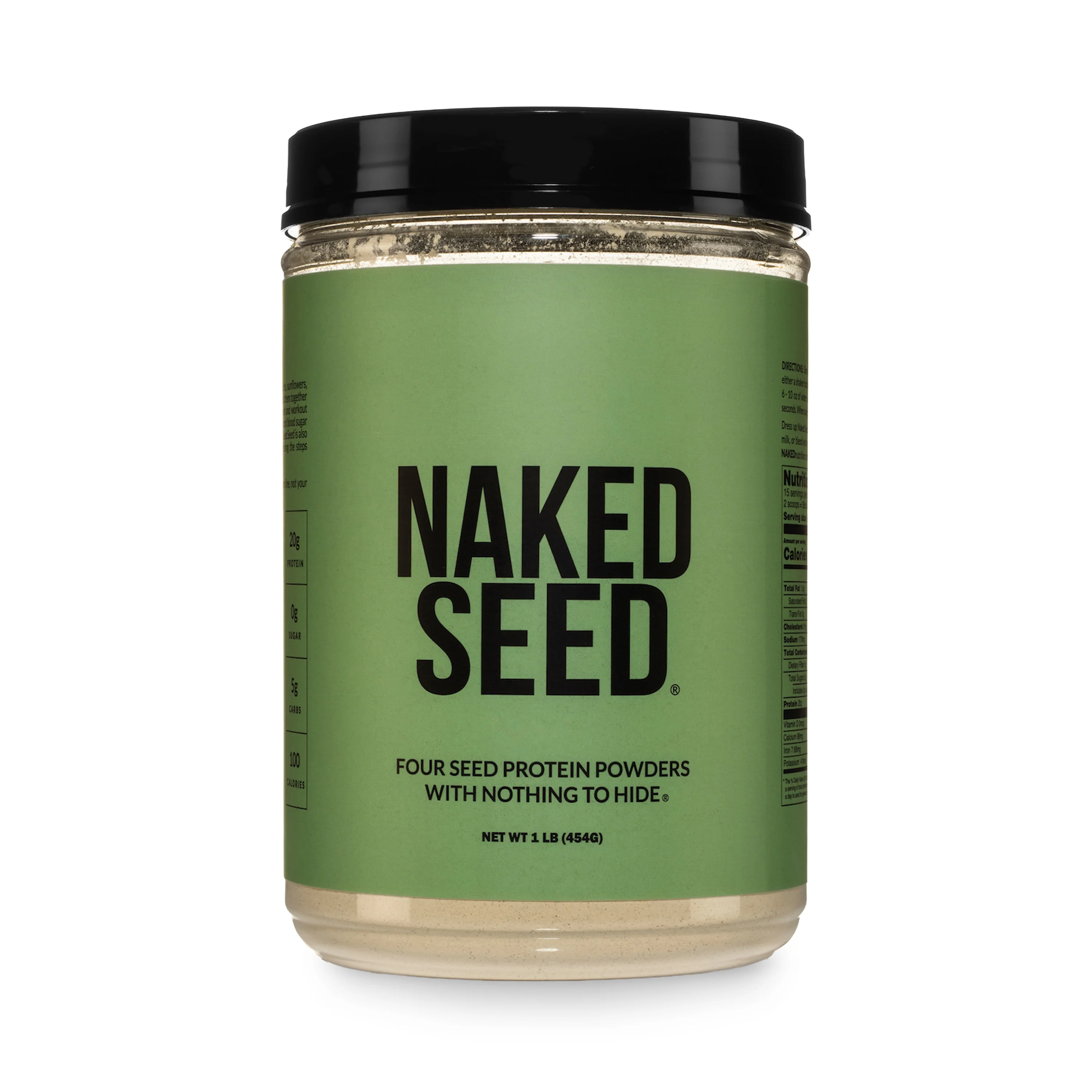
Nuts and seeds may be small and eaten in small servings, but they pack quite a protein punch. A one ounce serving of nuts provides around 6 grams of protein. Three tablespoons of hemp seeds provide almost 10 grams of protein, and 1 ounce of sunflower seeds provide 6 grams of protein.
Basically, adding nuts and seeds is an easy way to boost the protein in any of your meals. Sprinkle one or both on your oatmeal at breakfast, add them to a smoothie, or use them as a topping on toast or pancakes.
At lunch and dinner, add seeds or a sprinkle of slivered almonds to your salad. Or, add some crunch to your meal by making a breading for your entree (eggplant parm, zucchini boats, etc.) out of crushed nuts. You can even use ground walnuts to create a vegan beef substitute for tacos.
Don’t forget to use snack time as an opportunity too. A simple handful of nuts is a great way to fill the gap in your daily protein goal. You can add nuts and seeds to other snacks like yogurt, homemade granola, or trail mix too.
5. Don’t Forget About Whole Grains
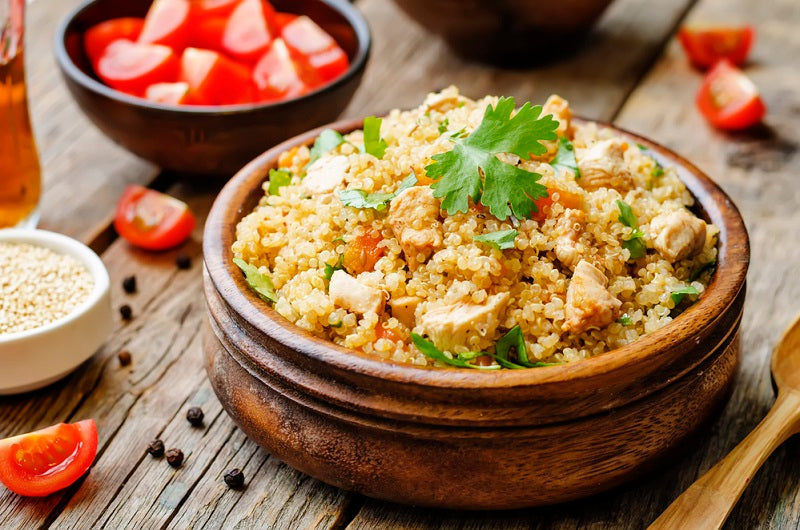
Like we talked about before, variety is key when it comes to vegan protein. Whole grains like quinoa, rice, oats, bulgur and millet might not be known primarily as protein foods, but they are actually great sources. For example:
- Quinoa - 8 grams protein per cup
- Whole wheat pasta - 7 grams protein per cup
- Wild rice - 6.5 grams per cup
- Oats - 6 grams per cup
- Millet - 6 grams per cup
- Bulger - 6 grams per cup
The great thing about whole grain protein is that it usually contains the amino acids that some other vegan protein sources are missing. Using whole grains to complement other vegan protein ensures you’re getting the highest quality of protein in your diet.
The Importance of Getting Enough Protein
Protein is found in every part of your body. It’s also a key player in many of the processes happening at a cellular level in your body, including the ones that provide energy and transport oxygen. Without enough protein, you could run into some problems.
The most obvious sign that you’re not getting enough protein is muscle loss. You might also notice that you’re hungry more often, as protein is considered to be the most filling macronutrient. As you age, inadequate protein could lead to poor bone health and muscle weakness.
The amount of protein you need per day depends on your body composition, activity level, and personal goals. Aiming for a range of 10 to 35 percent of your total daily calories is a good goal for protein intake. If you’re more active, working to build muscle, or healing from serious injury or illness, you’ll likely need to aim for the higher end of this range.
Check out our protein calculator to find out exactly how much you need based on your gender, lifestyle, goals, etc.
Overall, focusing on a variety of high-quality protein foods is the best way to optimize your intake. Using these vegan protein hacks will help you get what you need.