
The ketogenic diet, or keto diet for short, has gained popularity for its proclaimed health benefits such as weight loss and reduced blood sugar, for example.
The keto diet is a very low carbohydrate diet that provides most of its calories from fat, along with moderate amounts of protein.
Carbohydrates are typically necessary to build muscles, as carbs cause the release of insulin to help bring the glucose in muscles and other tissues. This process is important for muscle growth (1).
However, it is still possible to maintain and build muscle on a low-carb diet like keto.
Can you build muscle on a keto diet?

Even though it is well understood that carbs help build muscle, it is totally possible to build muscle when following a keto diet in which carb intake is restricted.
Studies have shown that a low-carb, high-fat keto diet enables muscles to be spared. Once your body is fully adapted to burning fat for fuel instead of glucose, your body preserves muscle and burns fat stores instead.
In fact, research shows that low-calorie keto diets may increase lean body mass and reduce fat mass more so than a traditional western diet, which is typically higher in carbs (2).
When used in combination with a resistance training plan, the keto diet can allow for body composition improvements, especially in male athletes as studies show (3).
In the following subsections, this article will explain exactly how to maintain a keto diet while also building muscle.
Consume adequate protein
Even though a keto diet consists mainly of calories from fat, it is vital to consume enough protein in order to build muscle mass.
Dietary protein is necessary for muscle protein synthesis to occur, and the amount of dietary protein consumed is an important consideration that affects the rate of muscle synthesis and growth (4).
According to the Recommended Dietary Allowance, adults need about 0.8 grams of protein per kilogram of body weight. This recommended intake holds true for those on a ketogenic diet as well.
However, it is important to not exceed protein recommendations as this can kick someone of ketosis. Resulting from a process called gluconeogenesis, glucose can be formed from certain glucogenic amino acids, giving rise to blood sugar and thereby reducing ketone levels.
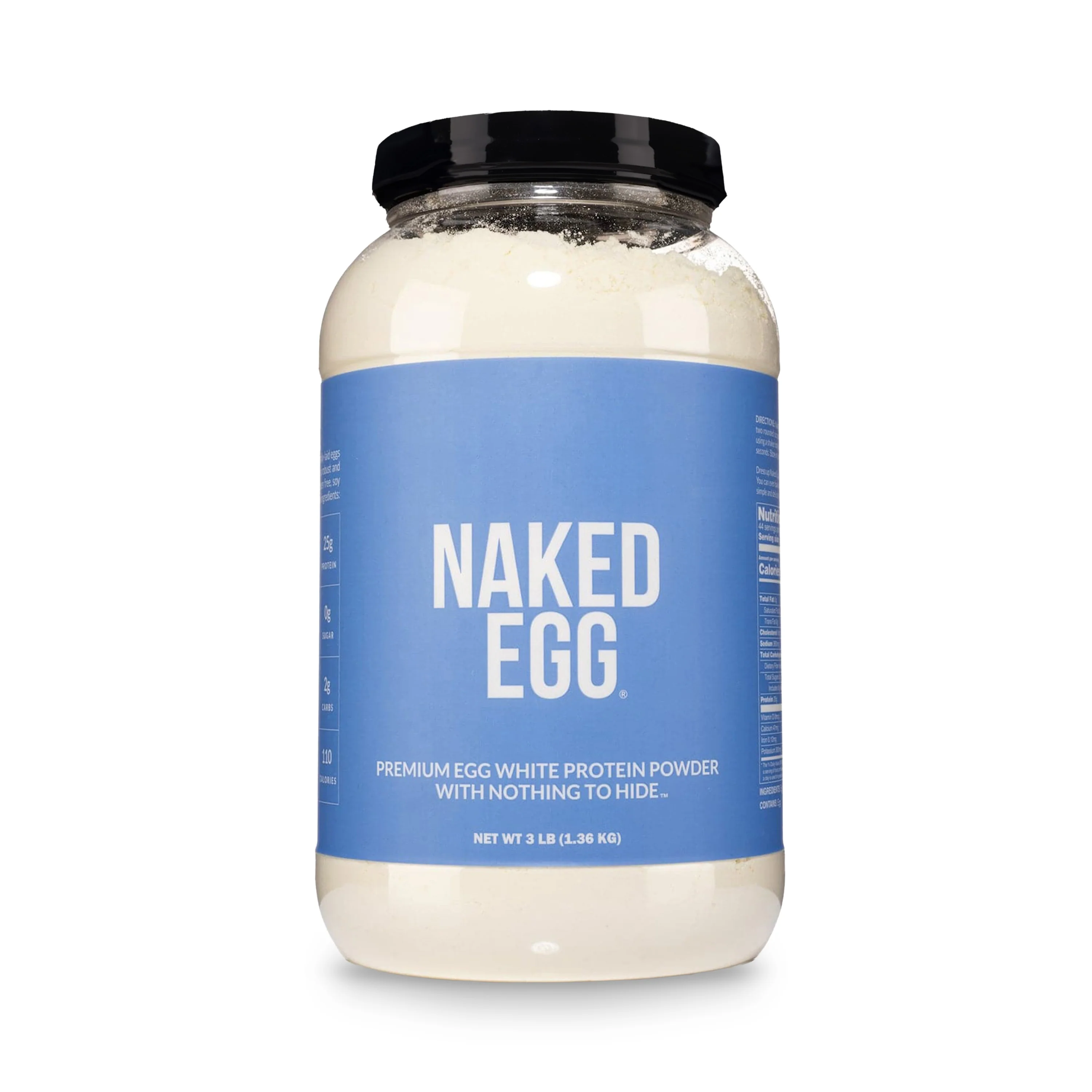
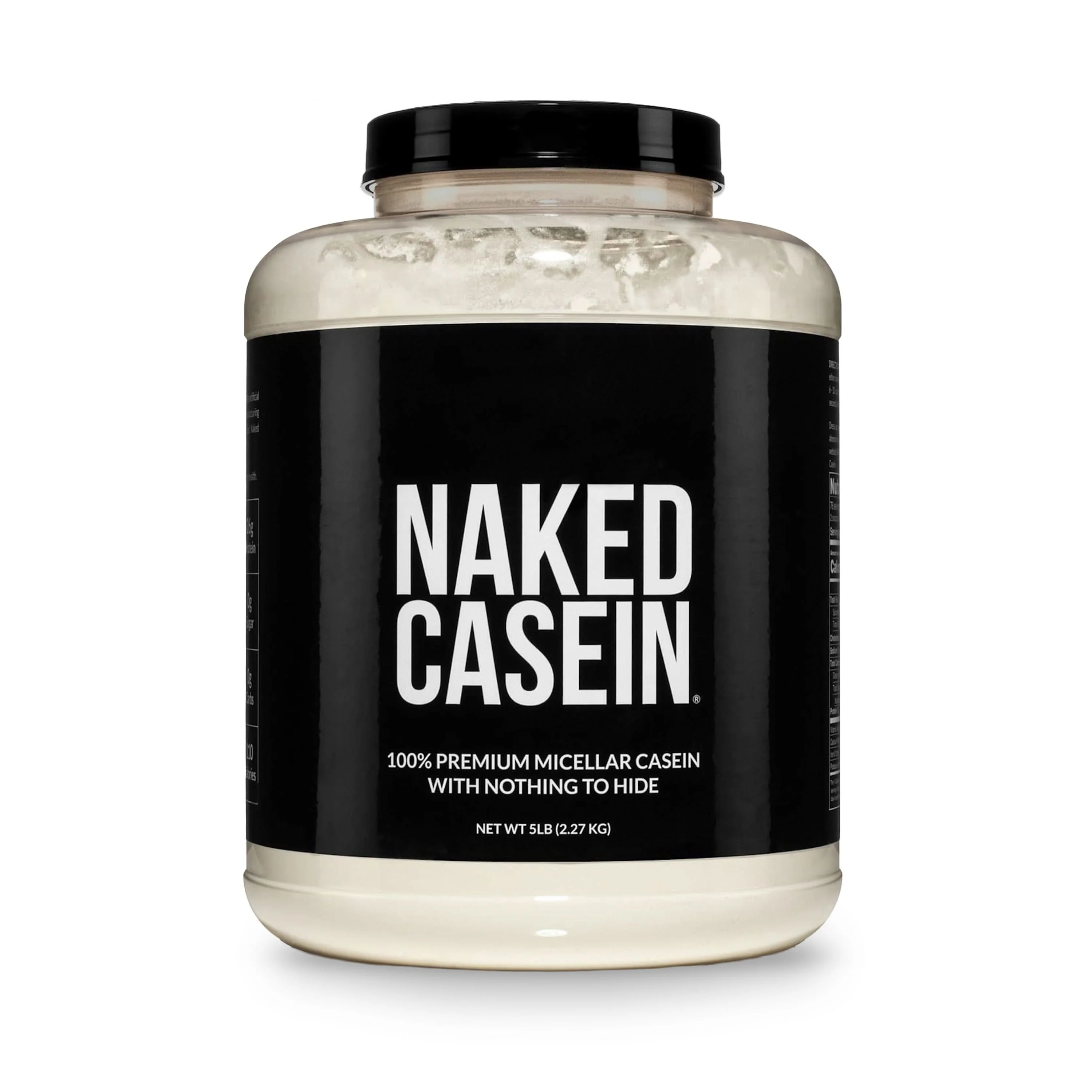
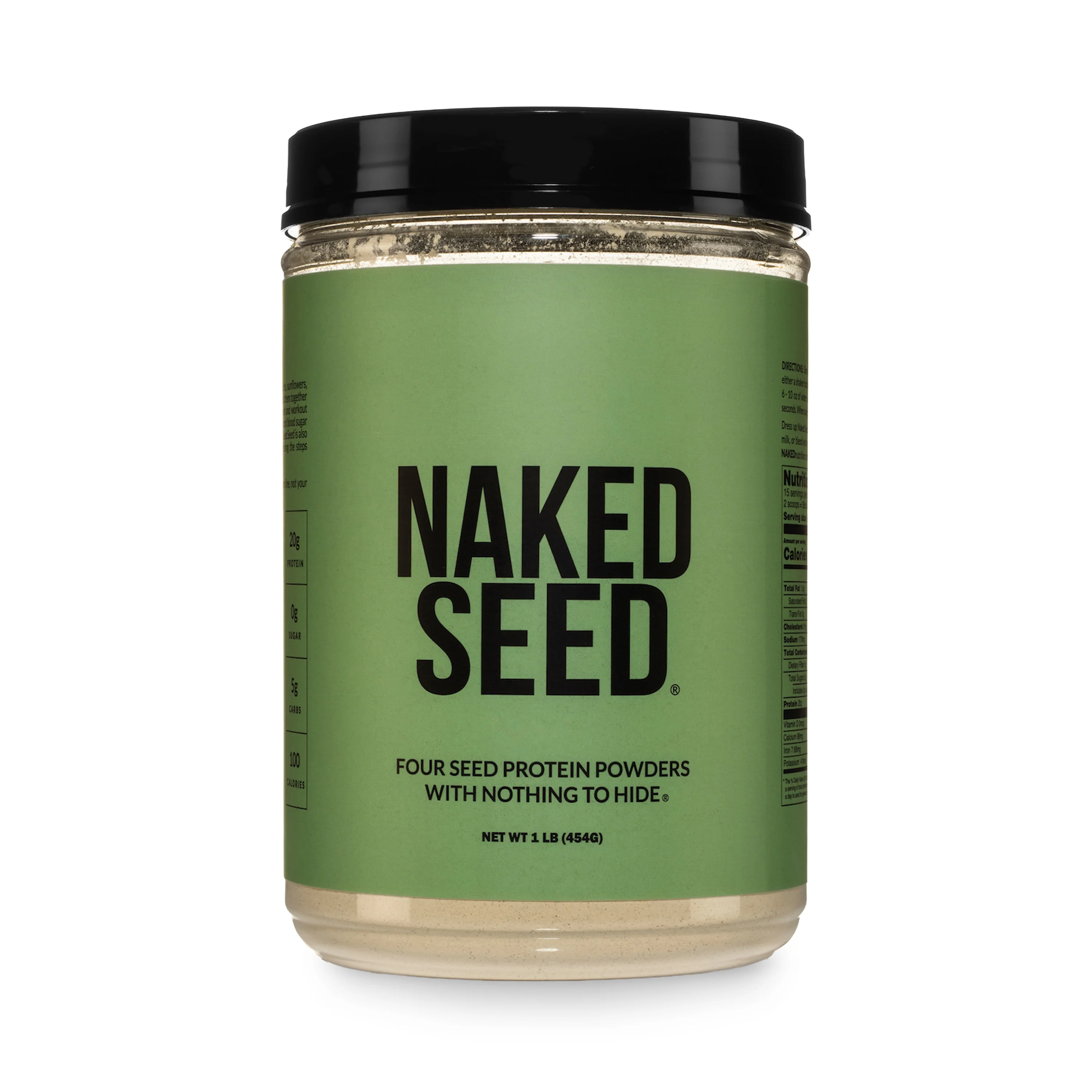
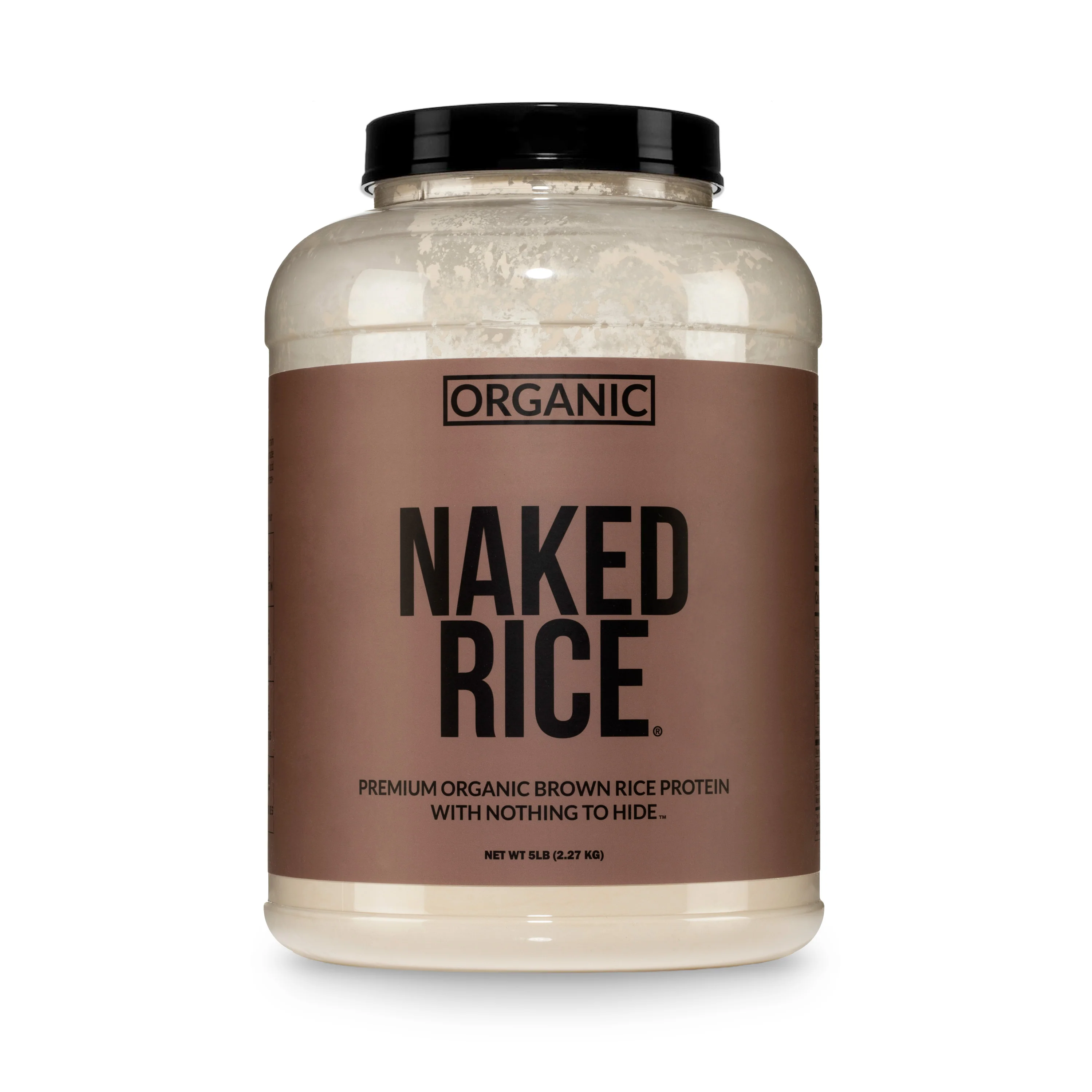
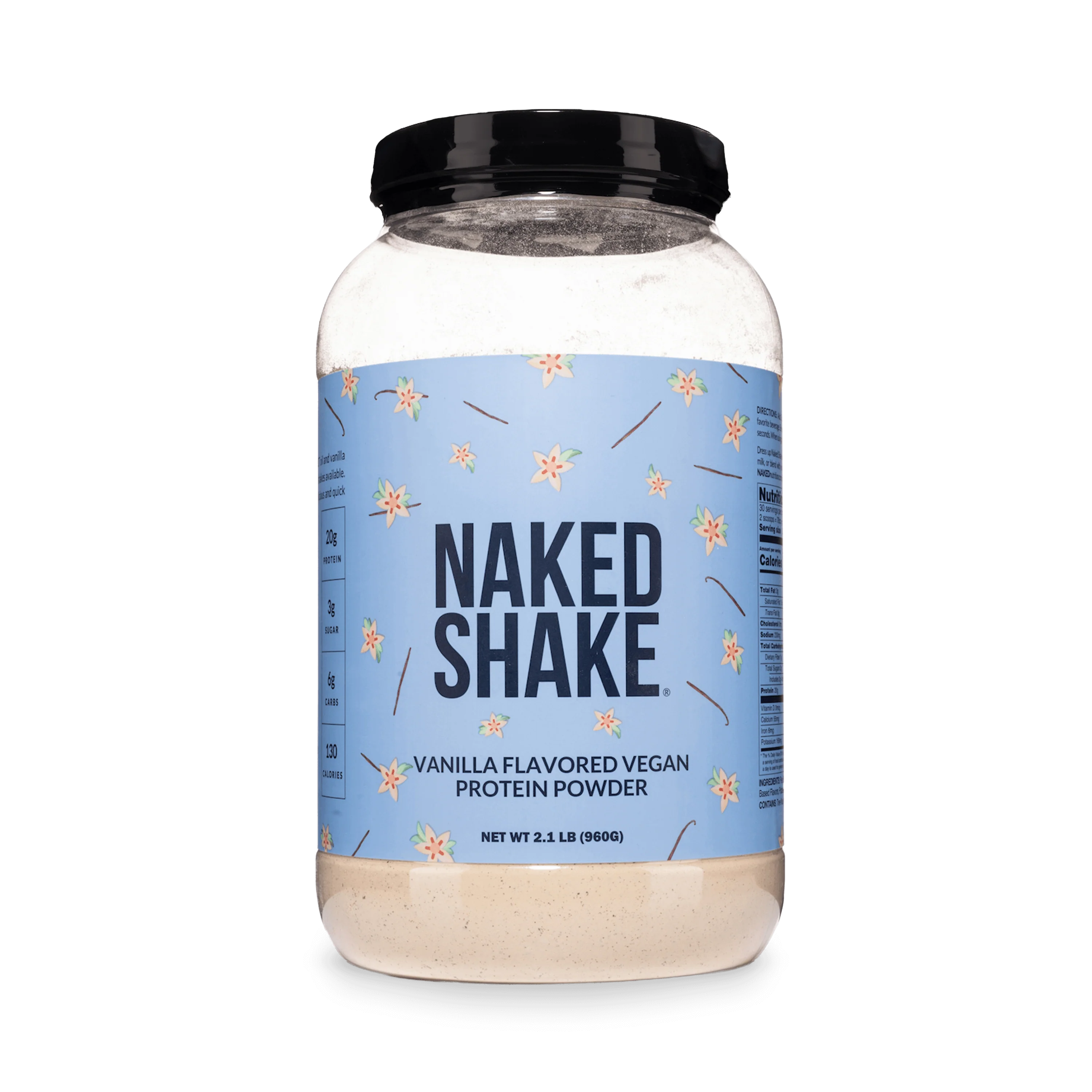
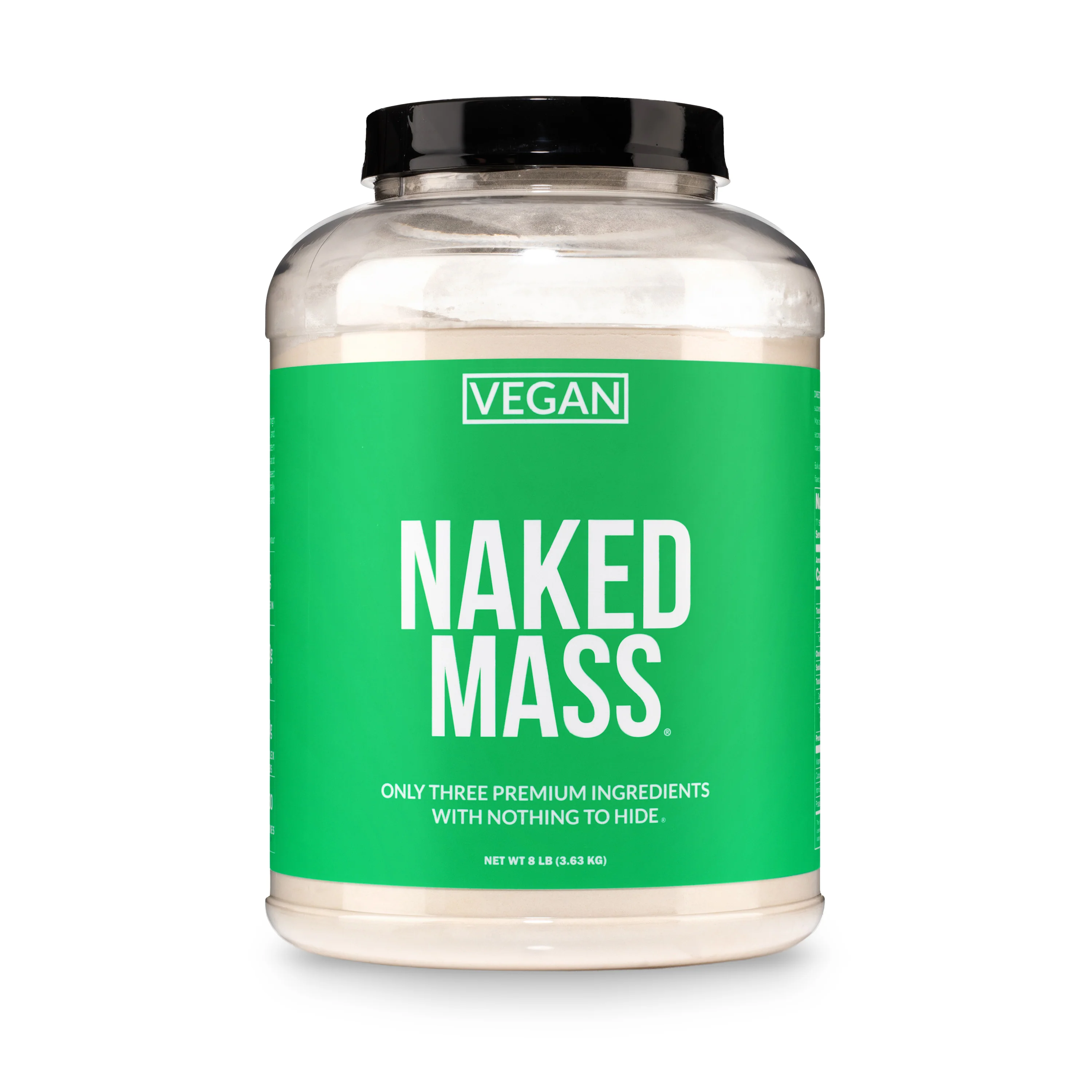
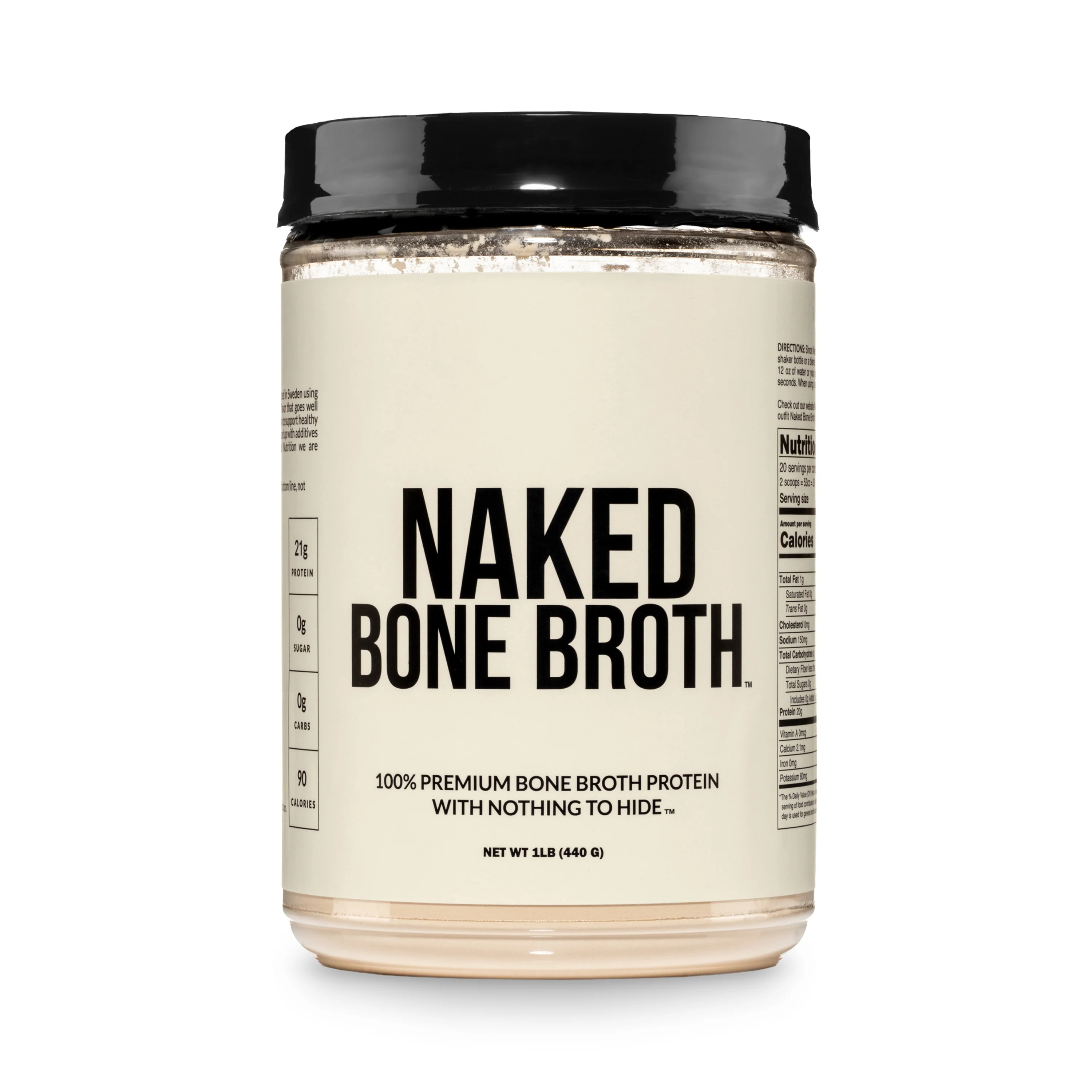
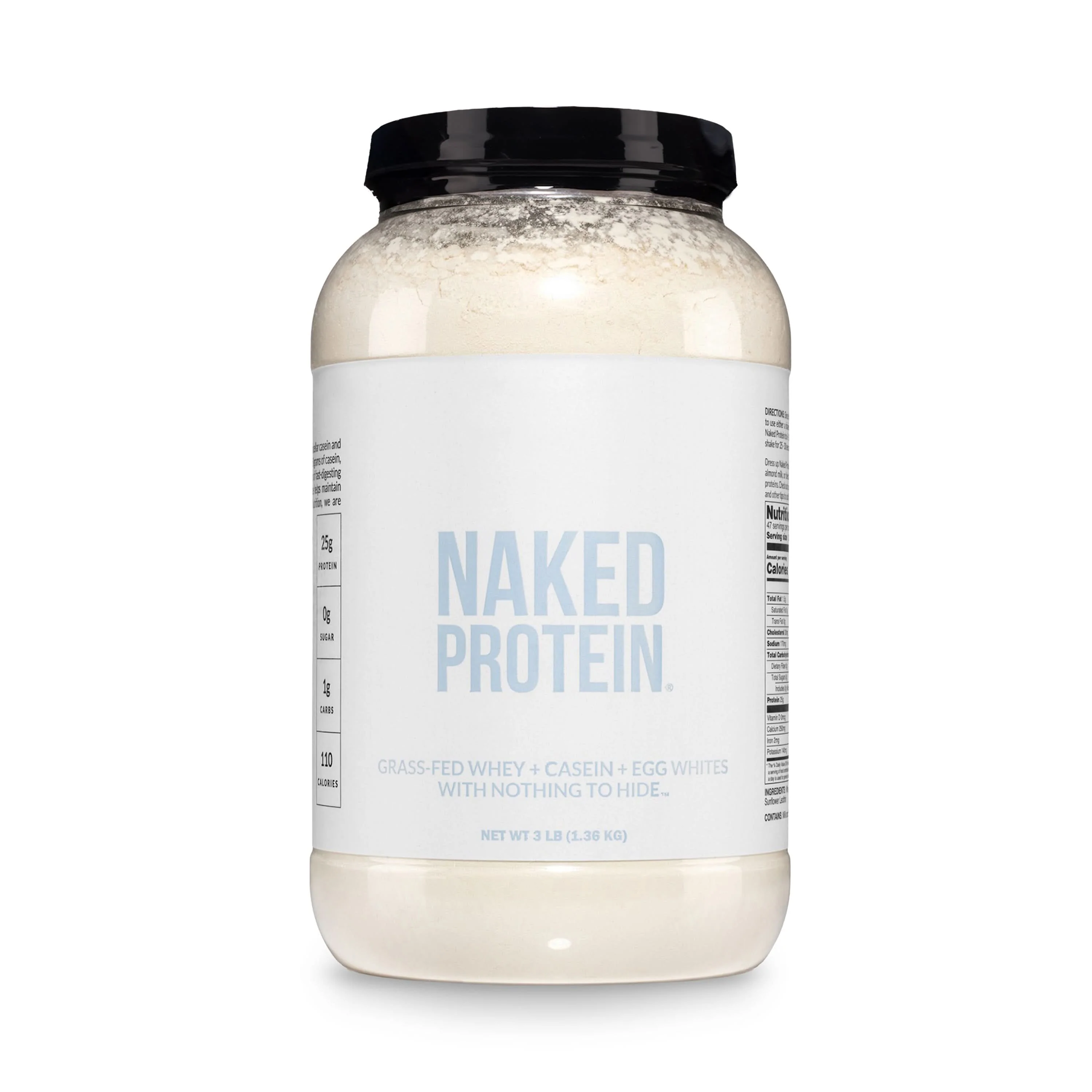
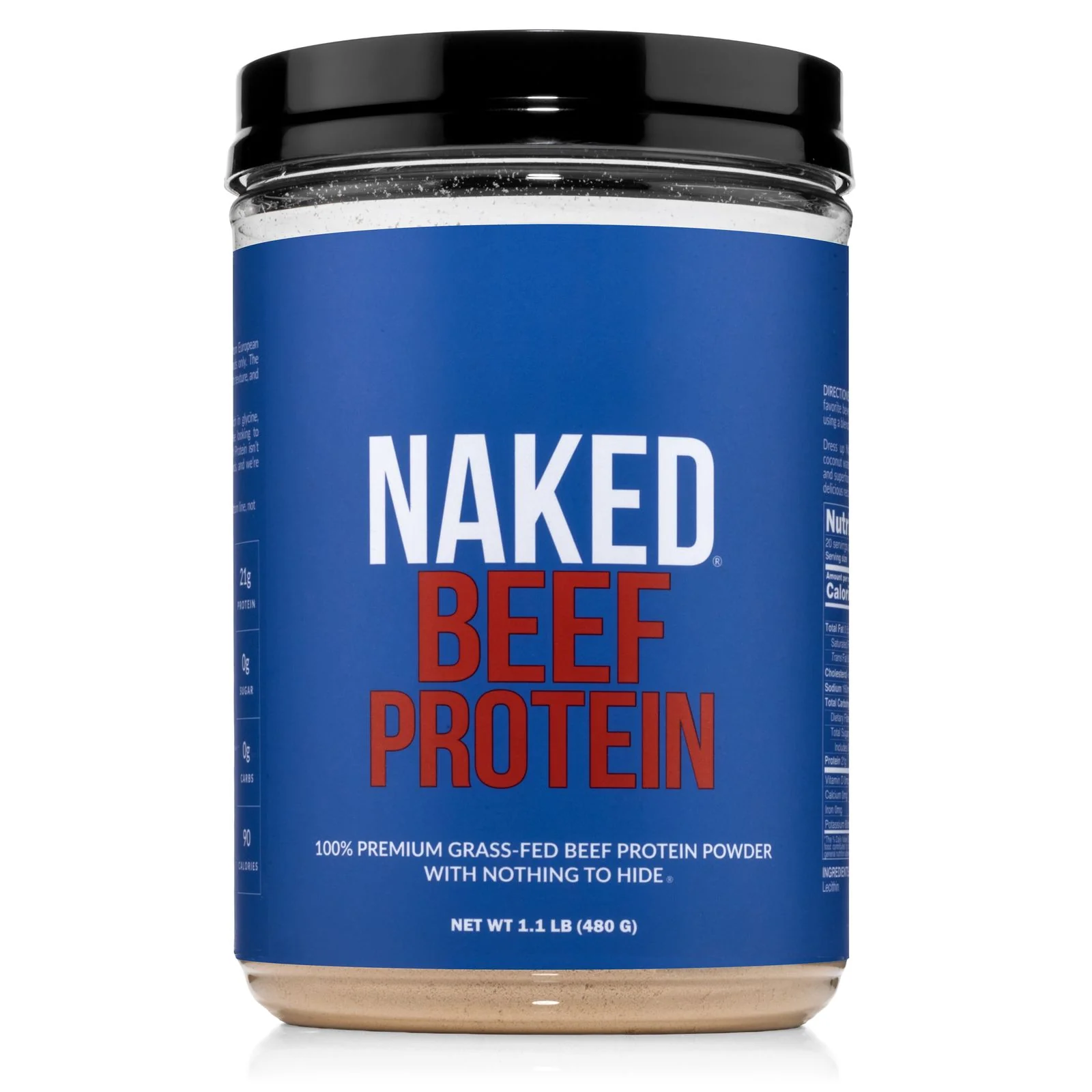
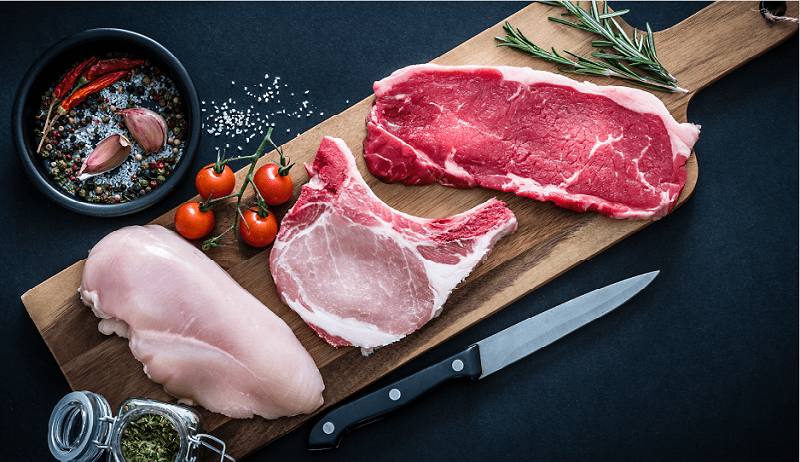
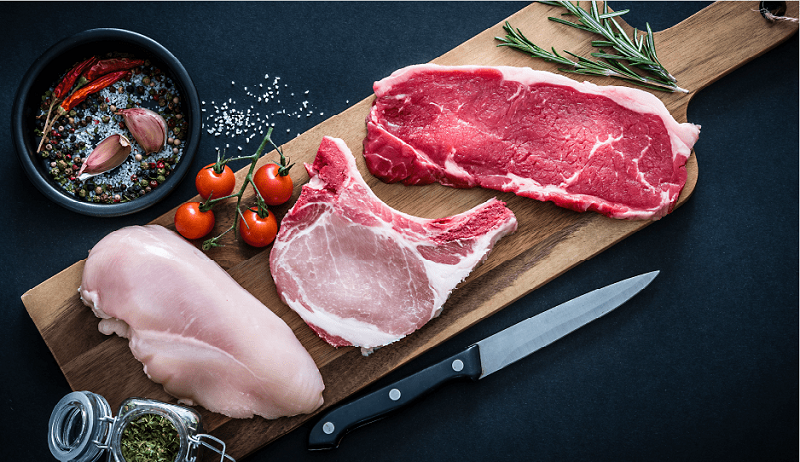
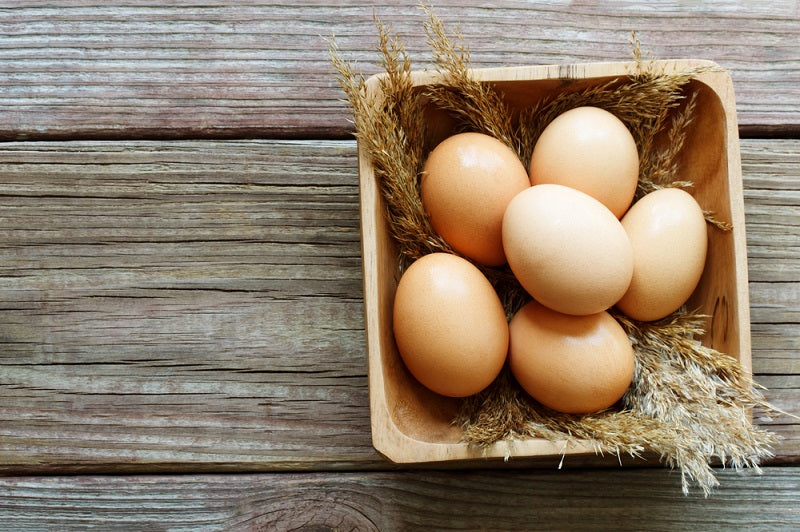
In order to ensure you are consuming adequate protein, include high-quality protein sources in your diet such as meat, poultry, fish, eggs, and protein powders.
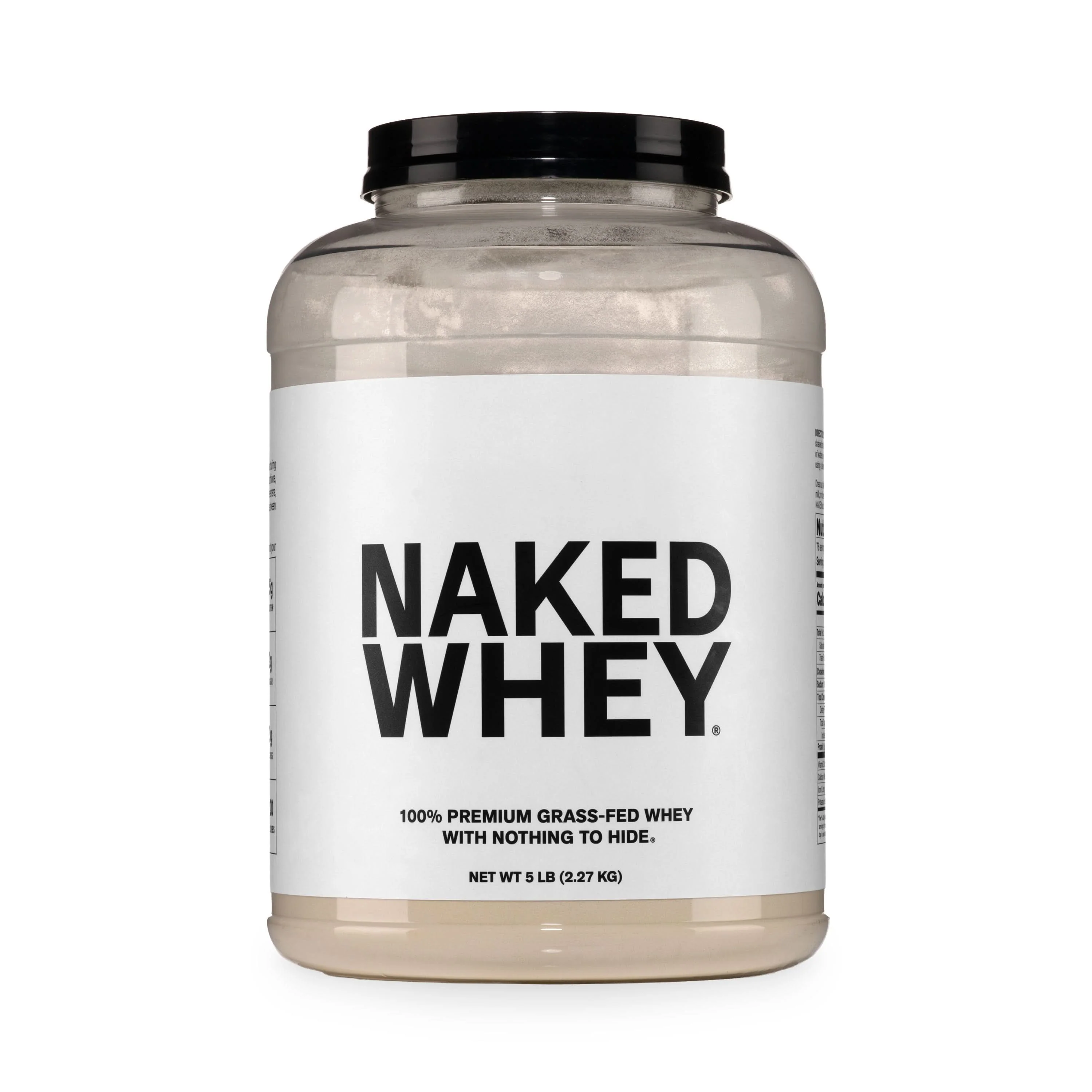
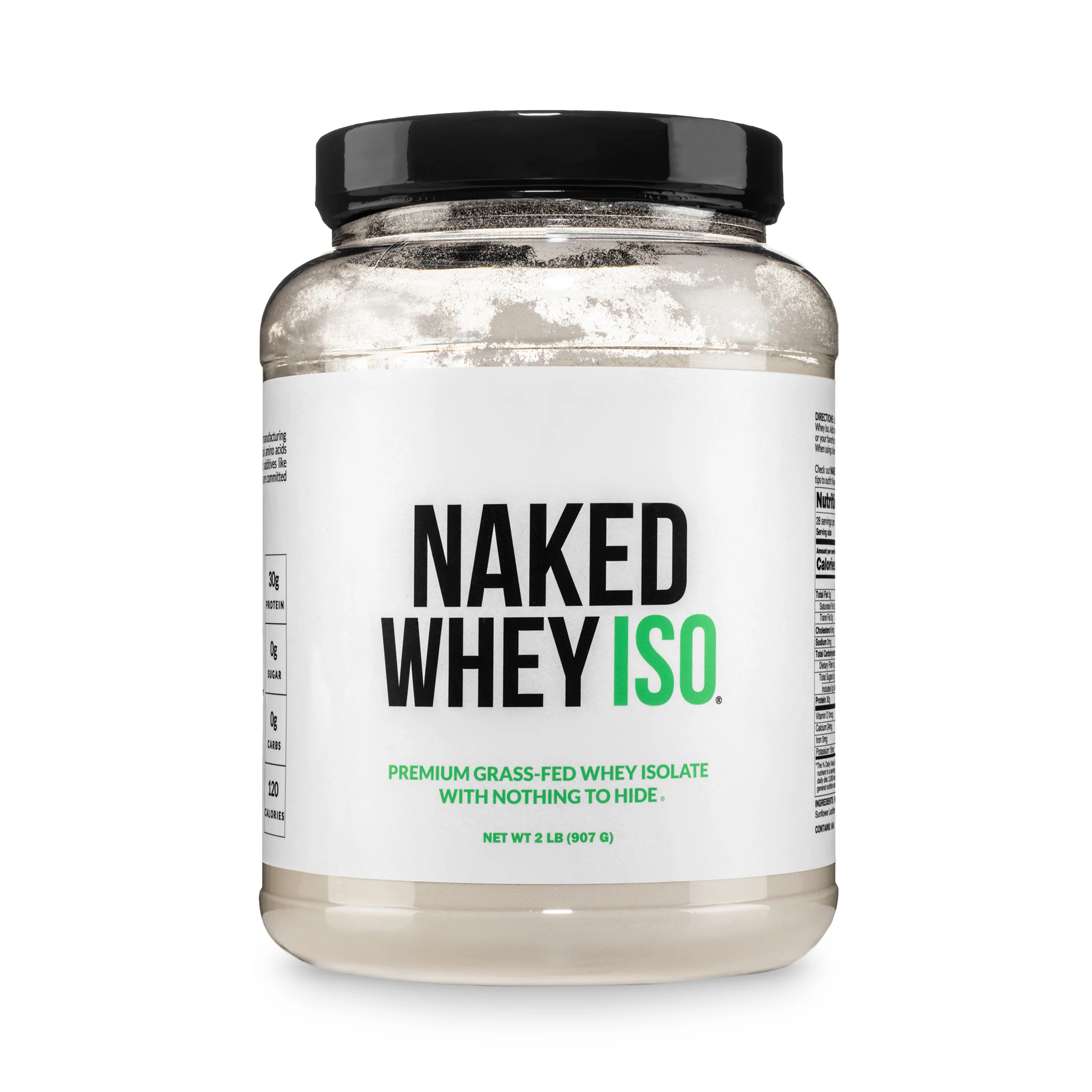
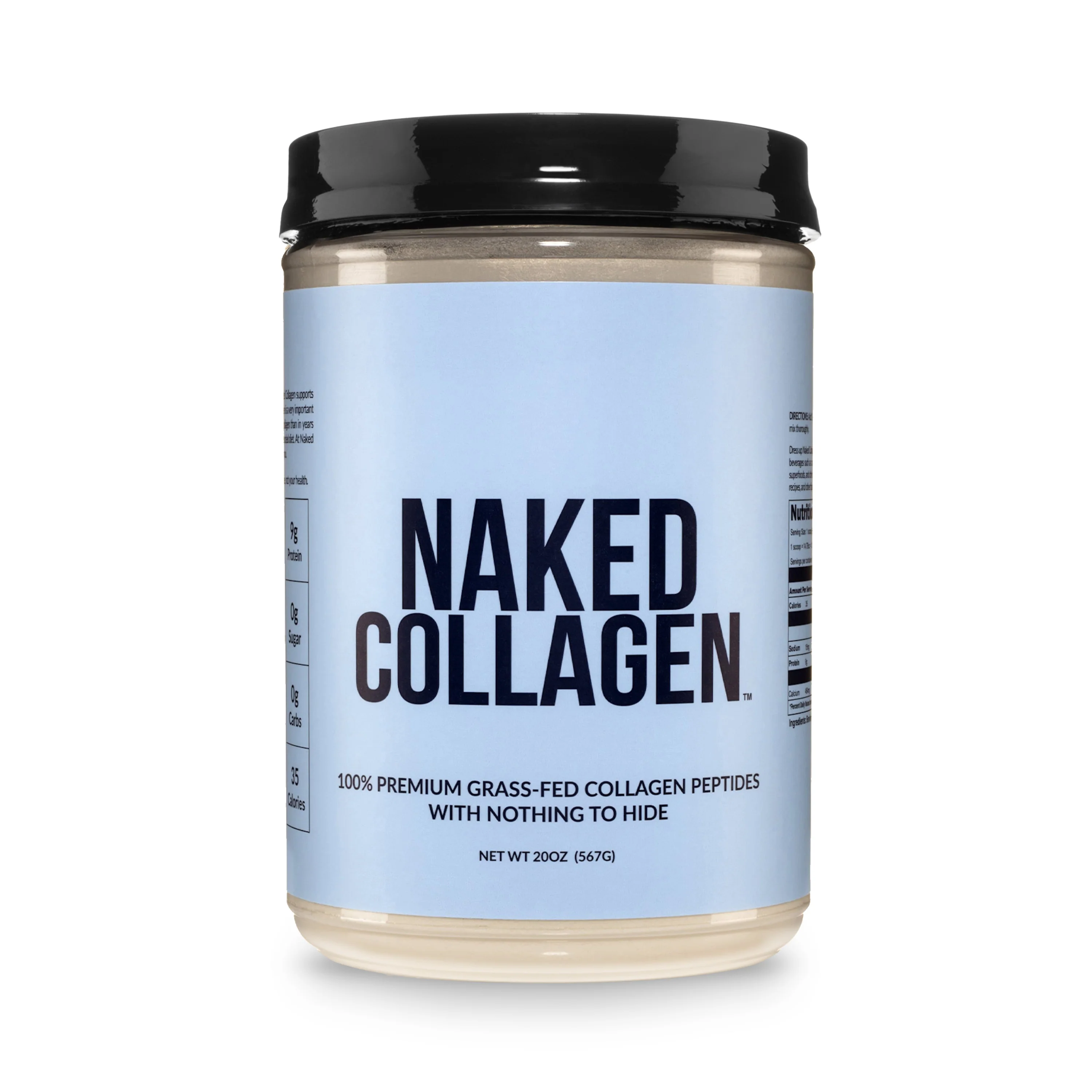
Aim to include high-quality whey protein or collagen protein powders with no added ingredients or sweeteners such as Naked Whey or Naked Collagen.
Space out protein intake out throughout the day
In addition to aiming for the appropriate amount of protein each day, another important consideration is to space protein intake out throughout the day.
The human body can only utilize and absorb about 25-30 grams of protein in one sitting. It is recommended that individuals have smaller, more frequent meals to best utilize the dietary protein for muscle protein synthesis – especially when the goal is to gain muscle (5).
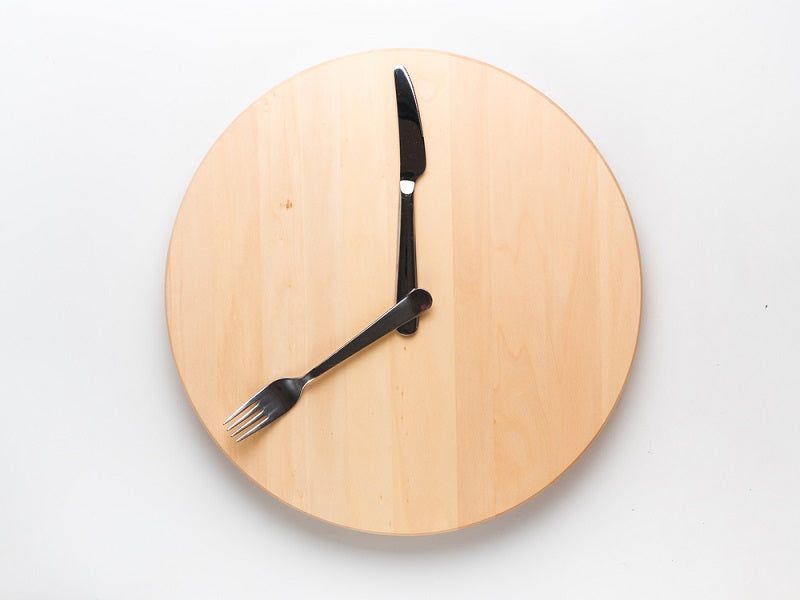
Eating smaller, more frequent meals that contain protein can be challenging especially if you have a busy schedule. Including keto-friendly mini-meals or snacks can be extremely helpful to meet your needs.
Making use of a keto supplement, which can be a great addition to a keto diet, as it contains powdered MCT oil.
MCT oil encourages ketosis, provides energy for a workout, enhances fat-burning, all while sparing muscle protein. Try blending it into a shake or smoothie, or adding it to keto-friendly energy bites.
Monitor carb intake
The traditional keto diet recommends that 5-10% of calories should be from carbs.
For example, if someone were to maintain a 2,000 calorie per day diet, they would need about 40 grams of carbs each day.
Carbohydrates enable the release of insulin, which shuttles glucose into muscle cells, and therefore builds muscle.
However, on a keto diet, it is necessary to limit carb intake in order to stay in ketosis and reap the benefits of the diet plan.
It is important to understand that you can still maintain and build muscle even when carbs are not as prevalent in the diet.
The keto diet spares muscle tissue as the ketone body called beta-hydroxybutyrate, or BHB, which is produced in those following a keto diet, has been shown to promote protein synthesis (6).
Increase caloric intake
Another dietary strategy to implement when trying to build muscle on a keto diet is to increase your caloric intake. Studies show that by creating a positive energy balance, or consuming more calories than you burn, you can build muscle, in fact regardless of where these extra calories are coming from (5).
However, in order to stay in ketosis, it may be important to consider increasing calories from fat in efforts to avoid kicking yourself out of ketosis.
The Bottom Line
It has long been accepted that in order to build muscle, a low-fat, high-carb diet is necessary. However, recent research shines a light on the idea that you don’t need carbohydrates to build muscle.
As long as you consume enough protein, space protein intake throughout the day, monitor total carb intake, supplement with keto-friendly supplements, and of course engage in regular resistance-training exercise, you will experience muscle gains on the keto diet.
In addition to consuming adequate protein, don’t forget to eat more calories than you burn, as being in a positive energy balance is necessary for weight gain – even if that weight gain is muscle mass.
In fact, the keto diet may be better than a high carb diet as you can build muscle while minimizing fat gain.