

Key Takeaways
- Macro split: Keto targets roughly 70–75% fat, 20–25% protein, and 5–10% carbohydrates — typically 20–50g of net carbs per day.
- Net carbs matter: Subtract dietary fiber from total carbs to get net carbs, the number that actually affects ketosis.
- Best keto foods: Healthy oils, fatty fish, leafy greens, low-carb vegetables, full-fat dairy, eggs, and nuts are your foundation.
- Fruits require caution: Berries, avocado, and tomatoes fit keto. Bananas, mangoes, and grapes do not — at least not in regular portions.
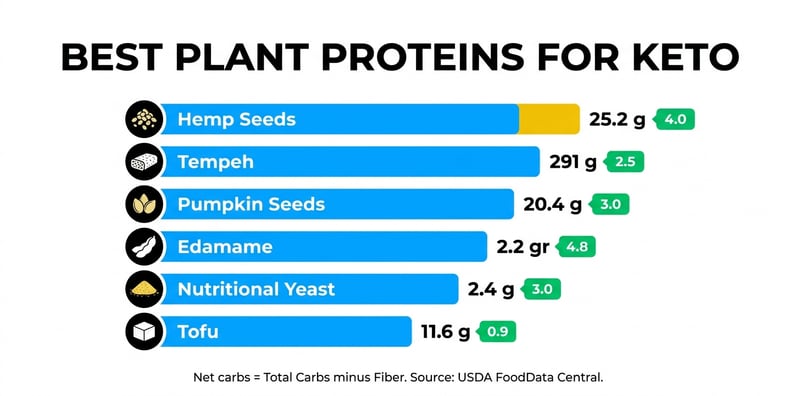
- Plant-based keto is doable: Tofu, tempeh, hemp seeds, and plant protein powders let vegans and vegetarians hit protein targets without blowing their carb budget.
- Hidden carbs are the enemy: Condiments, flavored yogurts, protein bars, and oat milk can quietly push you out of ketosis.
- Talk to a professional: Consult a doctor or registered dietitian before starting keto, especially if you have liver, pancreas, or gallbladder concerns.
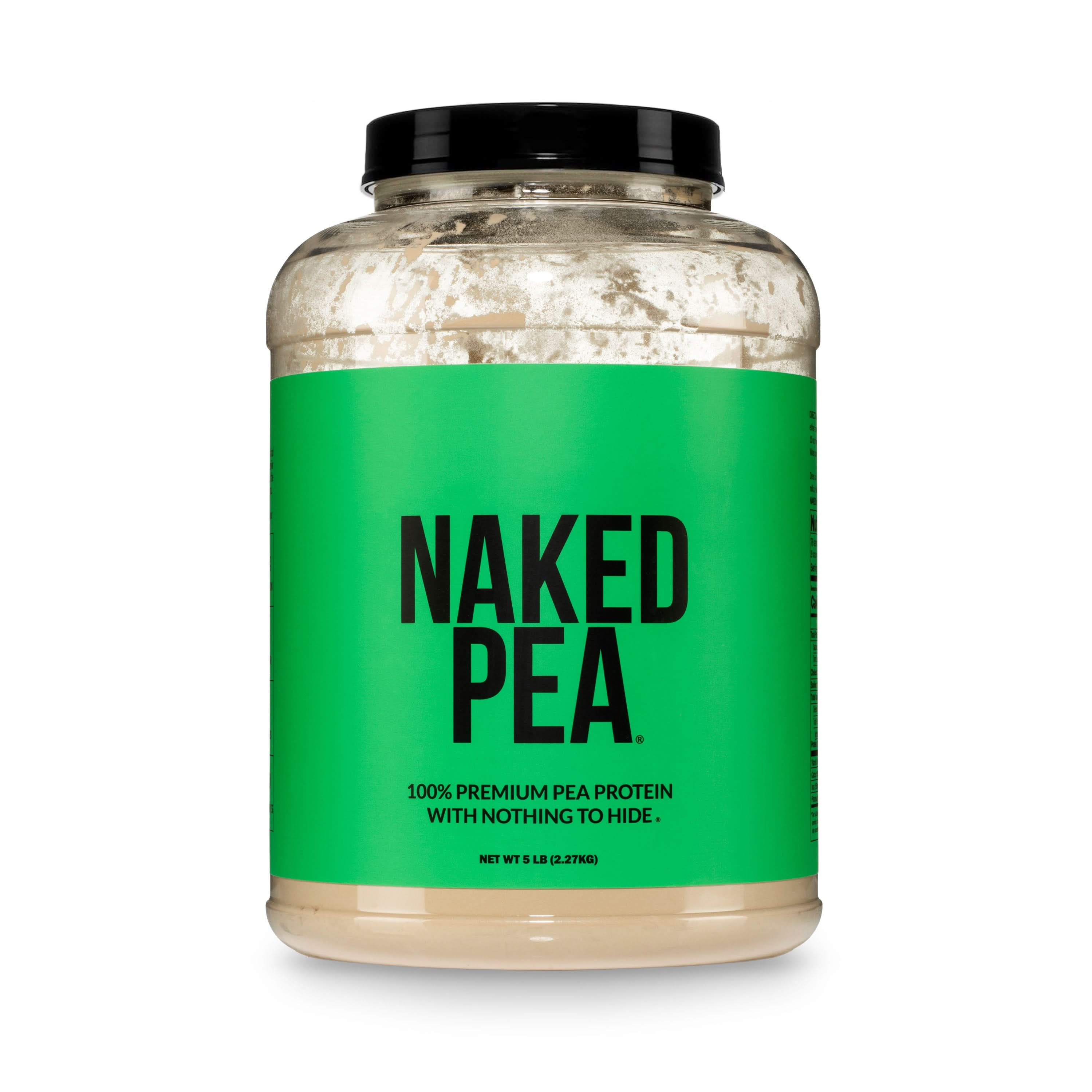
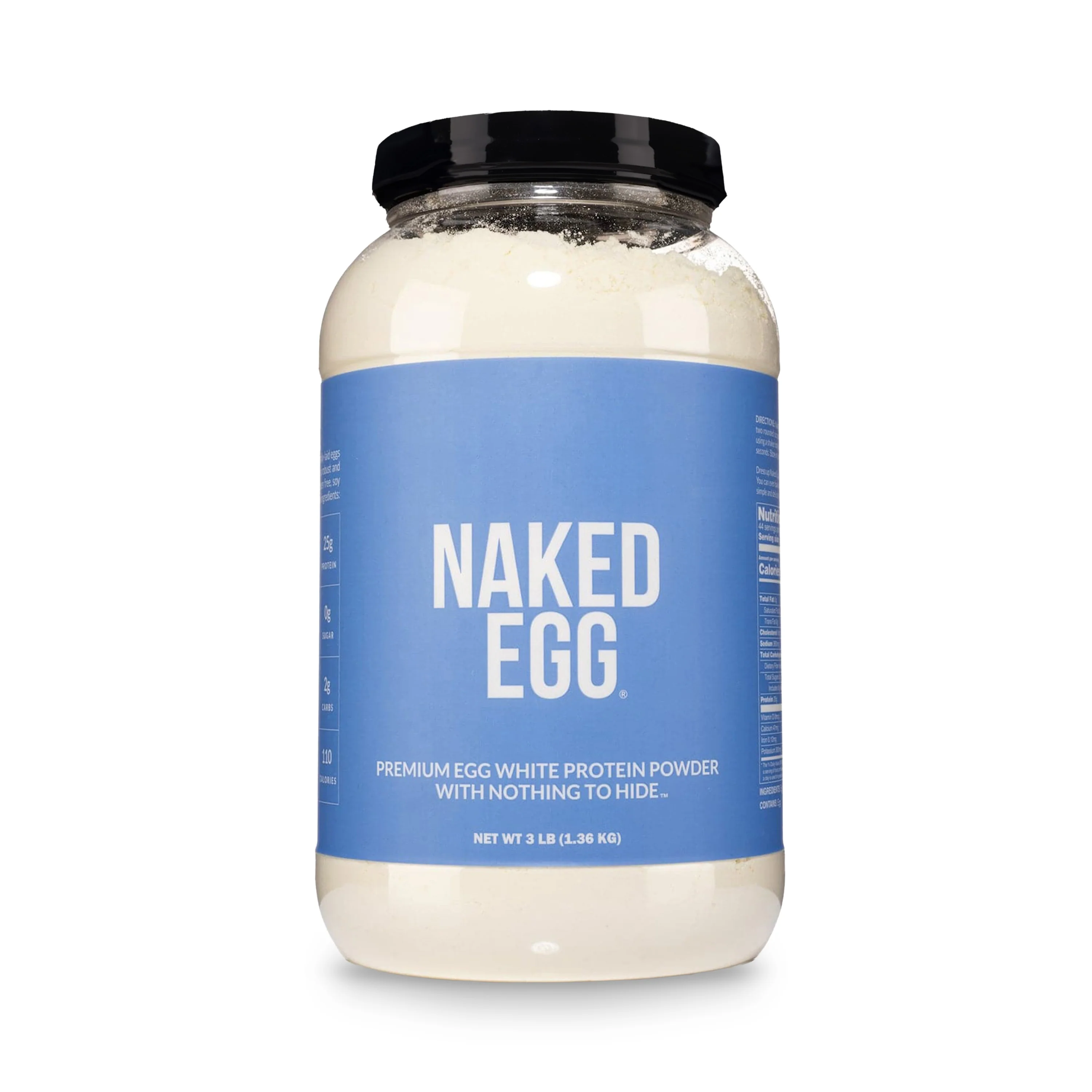
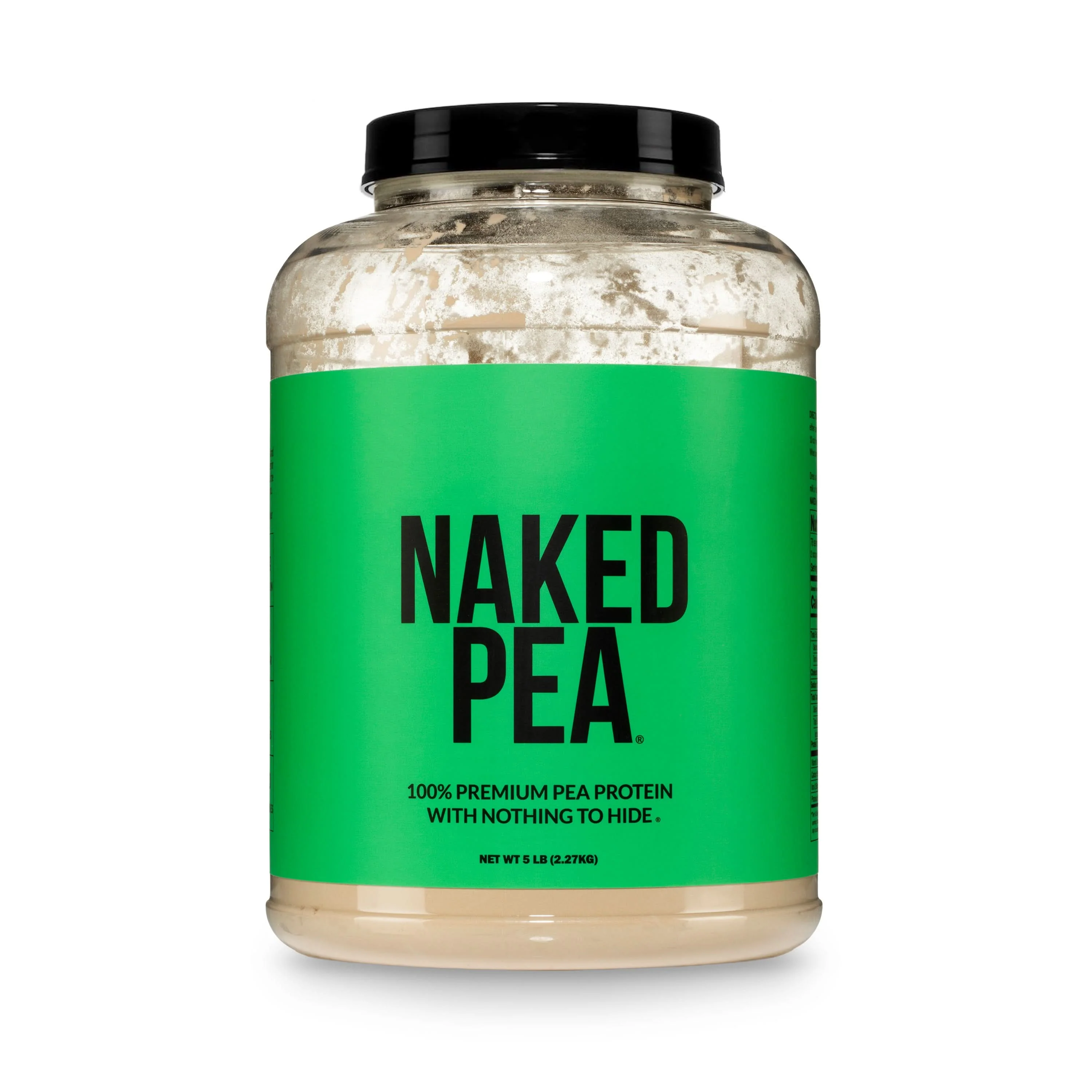
Pea Protein Powder | Naked Pea - 5LB
- Sustainable Farming Practices
- Superior Amino Acid Profile
- Promote Muscle Gain
- Lose Weight
Top General Nutrition Picks
Chosen by 1 million+ customers. Free shipping on orders over $100.
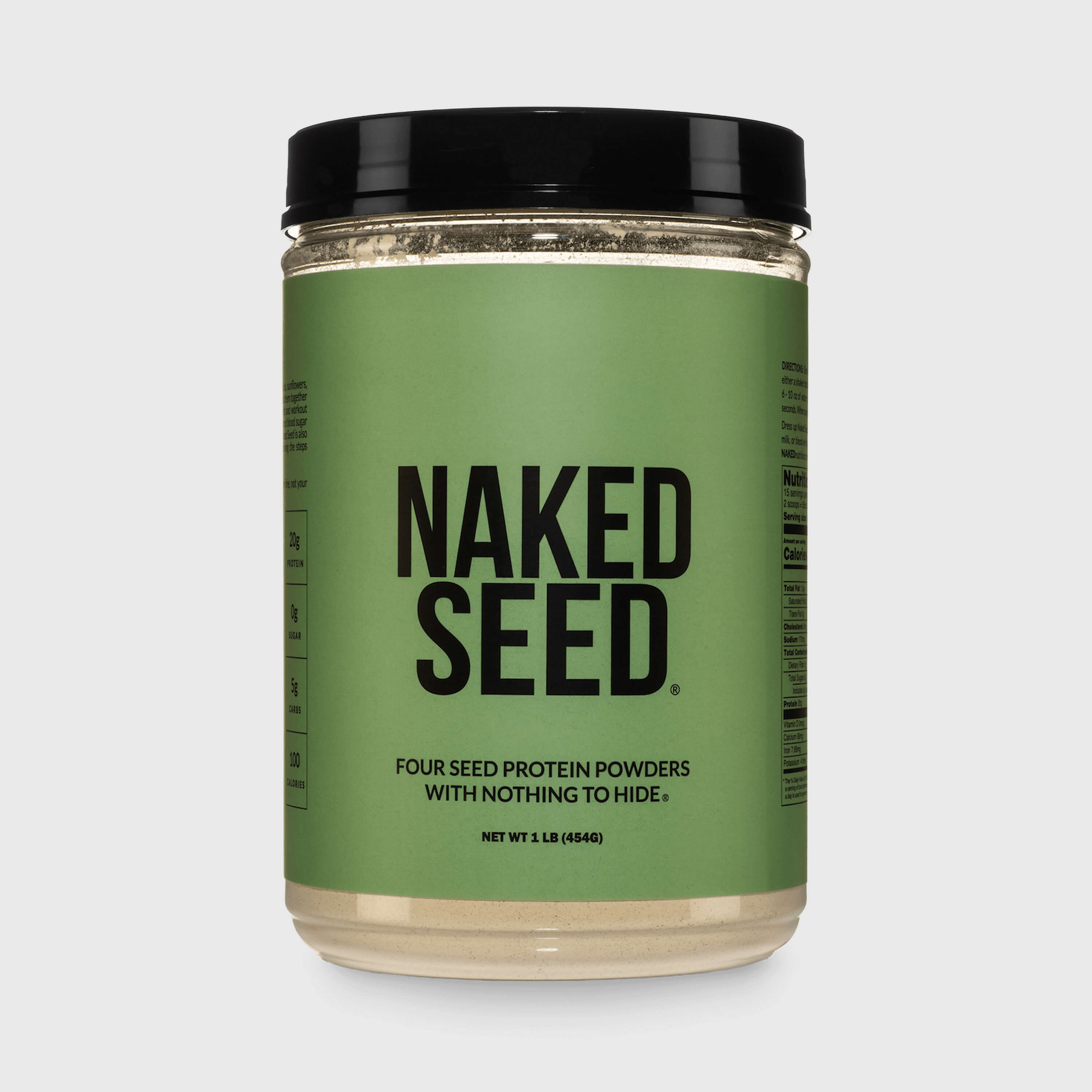
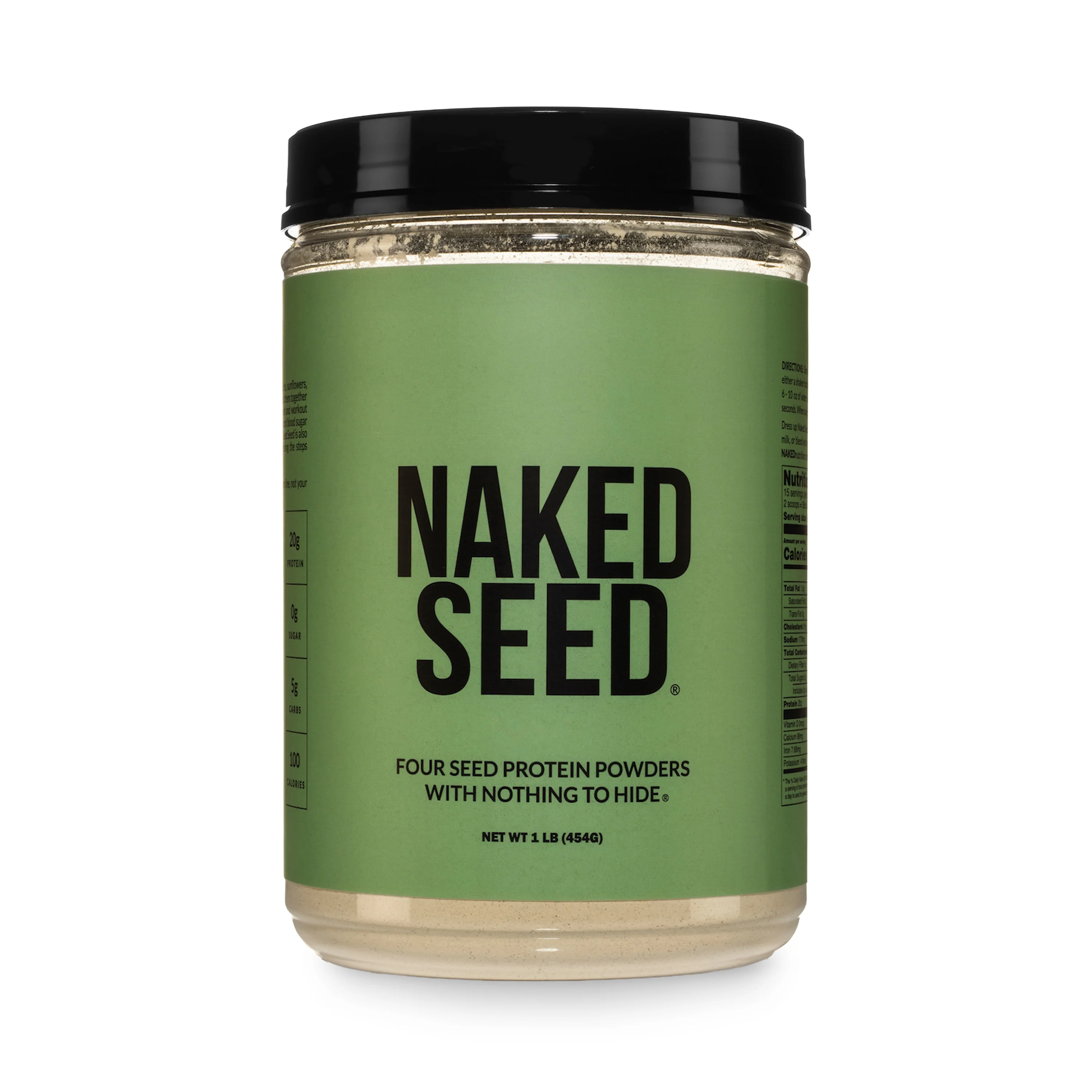
Seed Protein Powder | Naked Seed - 1LB
$34.99
- ✓ Seed only protein blend: organic pumpkins, sunflowers, watermelons, and organic chia
- ✓ High amino acid profile
- ✓ 20g of protein and 7.2g of amino acids per serving
- ✓ 0g of sugar
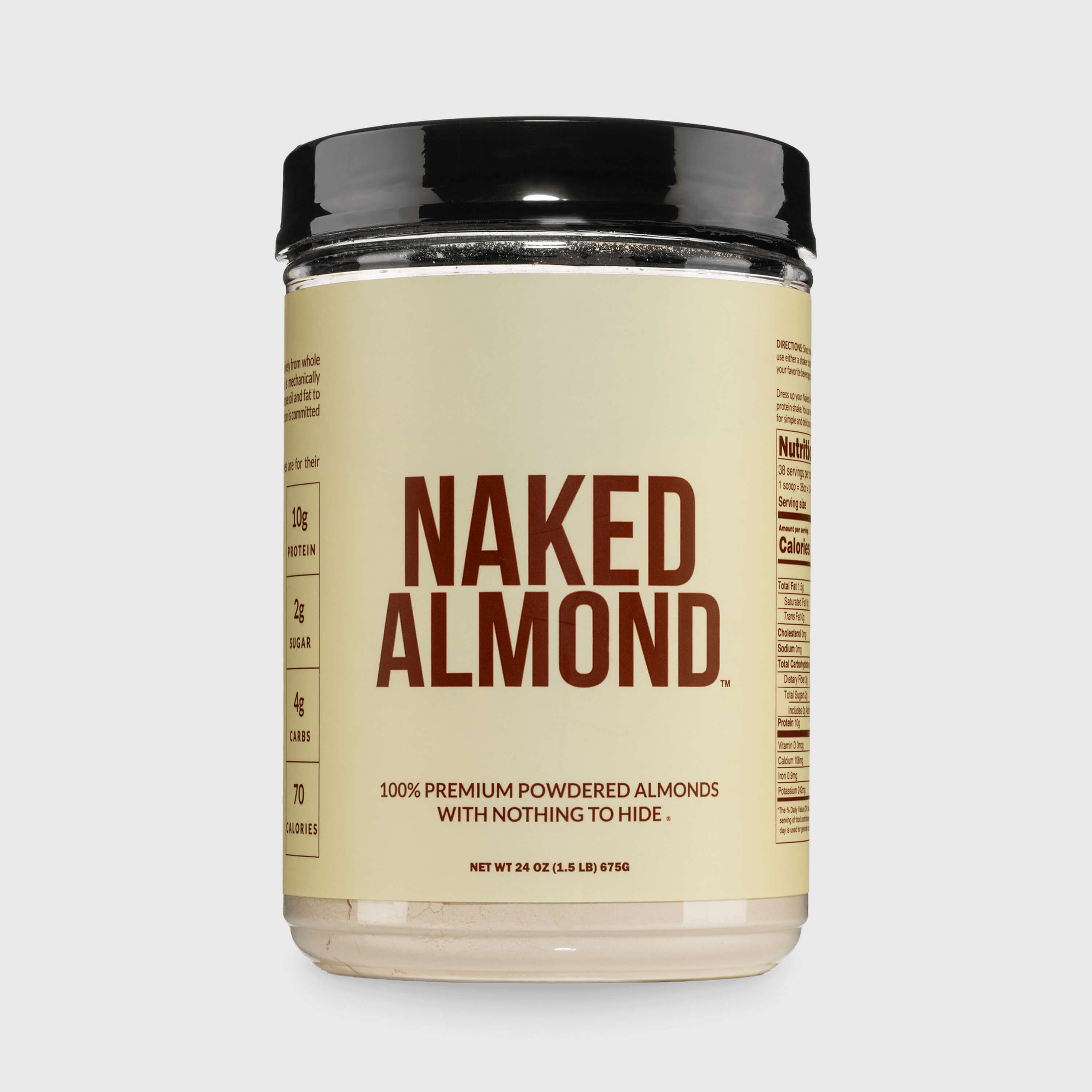
Powdered Almonds | Naked Almond - 1.5LB
$29.99
- ✓ Active Lifestyle Support
- ✓ Manage a Healthy Weight
- ✓ Boost Flavor and Texture
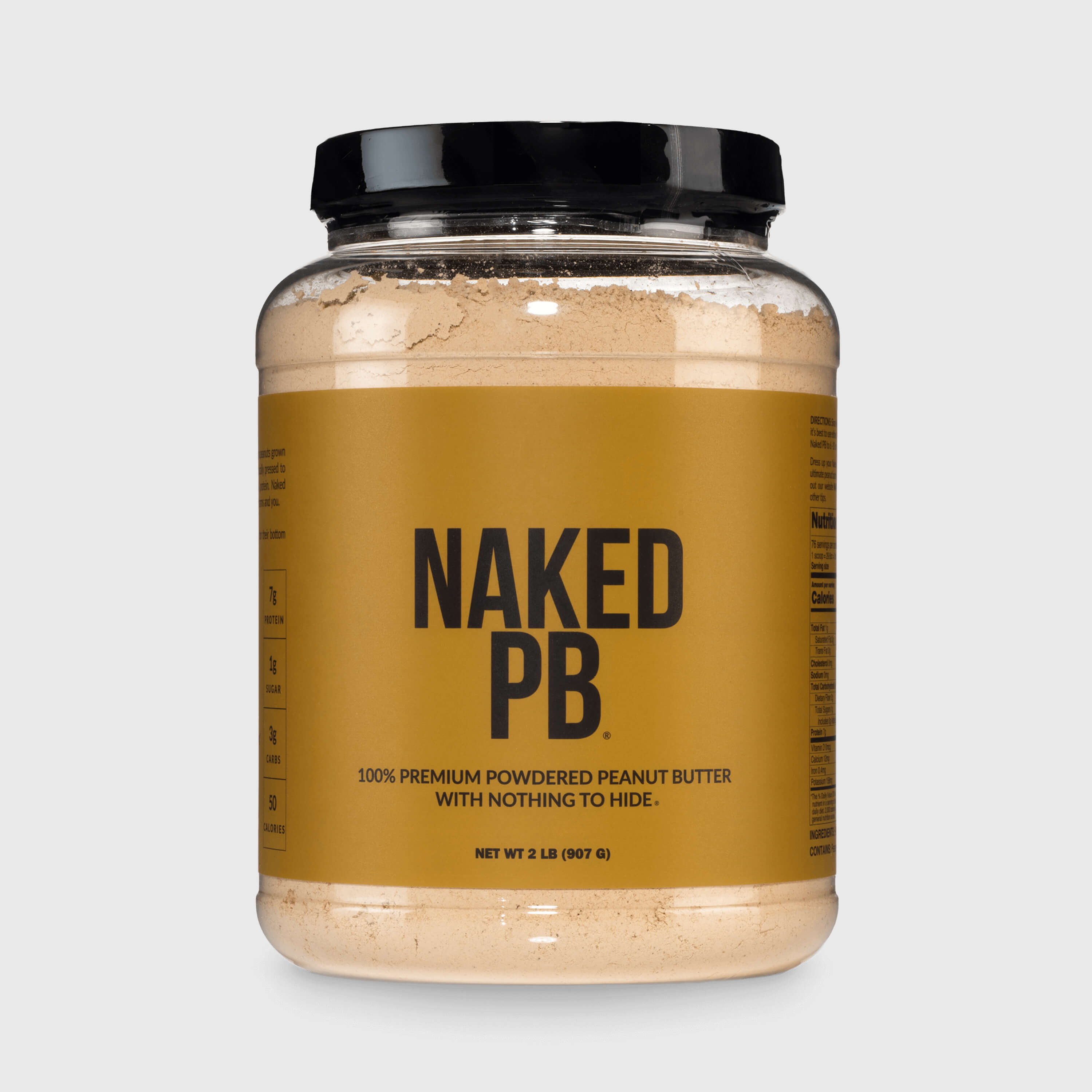
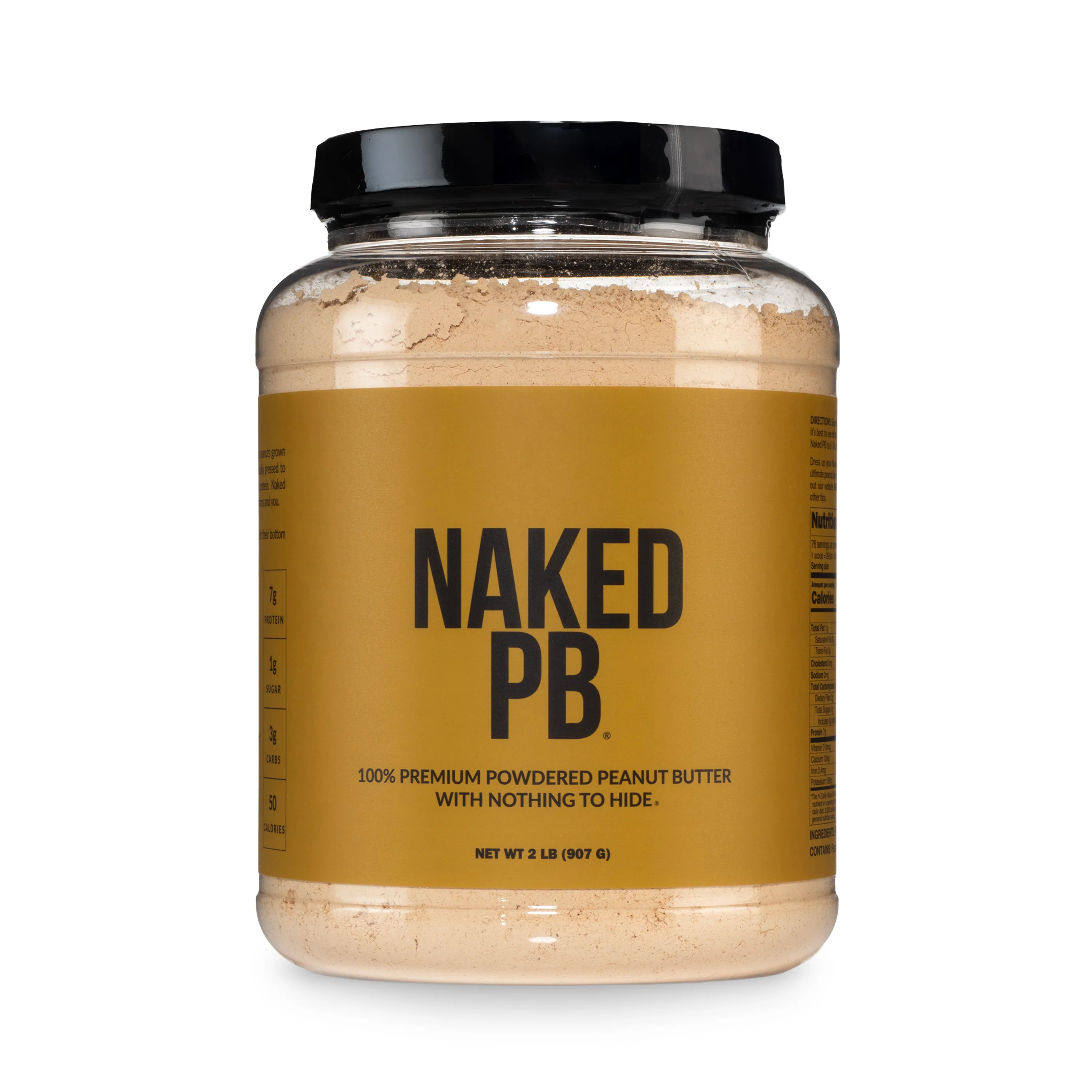
Powdered Peanut Butter | Naked PB - 2LB
$21.99
- ✓ Lose Weight
- ✓ Boost Protein Intake
- ✓ Mix Easily With Your Favorite Food
How the Keto Diet Works: Ketosis, Macros, and What to Expect
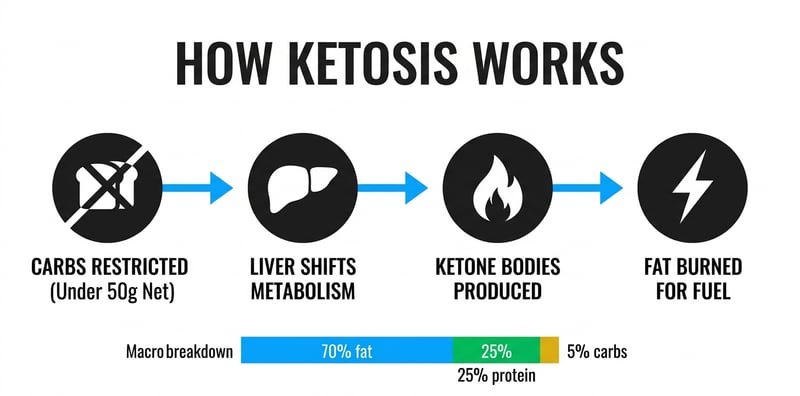
Your body runs on glucose by default. Feed it enough carbohydrates and it never needs to look elsewhere for fuel. Cut carbs low enough — typically below 50g of net carbs per day — and the liver shifts to producing ketone bodies from stored fat. That metabolic state is called ketosis, and it's the entire mechanism behind the ketogenic diet.
- 70–75% of calories from fat: Your primary fuel source. Prioritize unsaturated fats and limit trans fats.
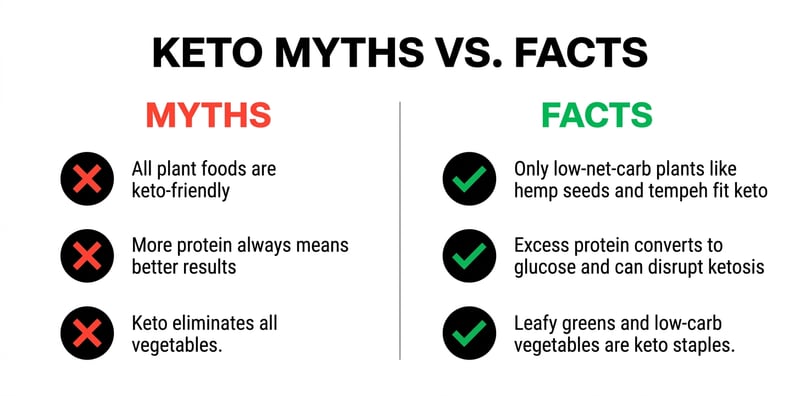
- 20–25% of calories from protein: Enough to preserve and build muscle without converting excess protein to glucose.
- 5–10% of calories from carbohydrates: Roughly 20–50g of net carbs per day for most people to sustain ketosis.
The evidence base for keto extends beyond weight loss. Research published in StatPearls documents its established use in managing epileptic seizures , particularly in children unresponsive to medication. Studies in the Journal of Clinical Lipidology show that low-carbohydrate diets support appetite control and improve several cardiometabolic markers. That said, research in the European Heart Journal notes ongoing debate about long-term effects, particularly for individuals with existing liver, pancreas, or gallbladder conditions.
The first one to three weeks on keto come with a transition period known as the keto flu. As glycogen stores deplete and the body excretes more water and electrolytes, you may experience headaches, fatigue, brain fog, dizziness, and nausea. Harvard Health explains that these symptoms are short-term and manageable. Staying well-hydrated, maintaining sodium, potassium, and magnesium intake, and getting adequate sleep accelerates the transition. If you push through this window, most people report stabilized energy and reduced hunger within two to three weeks.
Keto Foods to Eat: The Complete Category-by-Category List
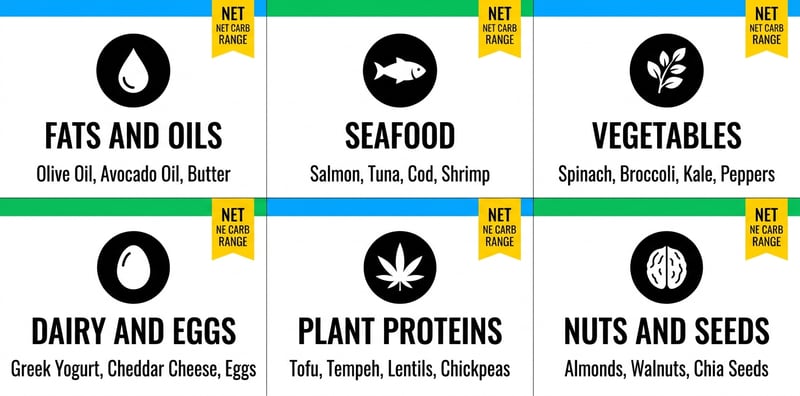
This is the core of your keto foods list. Every table below shows total carbohydrates per serving, sourced from USDA FoodData Central. To calculate net carbs — the figure that matters for ketosis — subtract dietary fiber from the total carb count. A cup of broccoli, for example, shows 6g total carbs but contains 2.4g of fiber, leaving roughly 3.6g net carbs.
Track net carbs, not total carbs. This distinction is what allows you to eat a generous volume of vegetables and still stay in ketosis.
Fats and Oils
On keto, fat isn't a side note — it's your primary energy source. The American Heart Association confirms that dietary fats are essential: they carry fat-soluble vitamins A, D, and E, produce critical fatty acids the body can't synthesize, and protect internal organs. Research in StatPearls indicates fat should comprise 55–60% of total calories on a standard ketogenic diet. Prioritize unsaturated options like olive oil and avocado oil for everyday cooking; use MCT oil in shakes for a fast-absorbing fat source that converts to ketones rapidly.
| Food | Serving Size | Carbs (G) |
| Almond Oil | 1 tbsp | 0 |
| Avocado Oil | 1 tbsp | 0 |
| Butter | 1 tbsp | 0 |
| Coconut Oil | 1 tbsp | 0 |
| Extra Virgin Olive Oil | 1 tbsp | 0 |
| Flaxseed Oil | 1 tbsp | 0 |
| Ghee Butter | 1 tbsp | 0 |
| MCT Oil | 1 tbsp | 0 |
| Soybean Oil | 1 tbsp | 0 |
Meats and Poultry
Unprocessed meats contain zero carbohydrates, making them ideal keto proteins. Aim for protein to cover roughly 30 to 35 percent protein of your total calories — enough to preserve muscle and support satiety without excess protein converting to glucose through gluconeogenesis. Red meats like steak provide creatine, which supports energy production and lean muscle maintenance. Watch processed meats like hot dogs and sausage links — they often contain added fillers and small amounts of carbs from binders and seasonings.
| Food | Serving Size | Carbs (G) |
| Bacon (Cooked) | 1 slice | 0.2 |
| Bison | 4 oz | 0 |
| Bratwurst | 1 link | 2 |
| Breakfast Sausage | 1 link | 0 |
| Chicken Breast (Skinless, Boneless) | 1 breast | 0 |
| Deli Meats (Chicken, Turkey, Ham, Pastrami) | 1 oz | 0.7 |
| Duck Liver | 1 liver (44g) | 1.6 |
| Ground Beef | 4 oz | 0 |
| Ground Turkey or Chicken | 4 oz | 0 |
| Hot Dog | 1 link | 2 |
| Italian Sausage | 1 link | 3 |
| Lamb | 4 oz | 0 |
| Lamb Chops | 6 oz | 0 |
| Pork | 6 oz | 0 |
| Top Sirloin | 4 oz | 0 |
| Veal | 4 oz | 0 |
Seafood
Seafood earns a prominent spot on every keto foods list. Most fish contains zero carbohydrates and delivers a dense nutritional profile. The Washington State Department of Health notes that fatty fish like salmon supply omega-3 fatty acids, iron, and vitamins B and D — nutrients that support brain function, cardiovascular health, and inflammation control. Shellfish like clams and mussels do contain a small amount of carbohydrates, so track those servings carefully.
Frequently Asked Questions
What foods are at the core of a keto foods list?
A solid keto foods list centers on high-fat, low-carbohydrate options: fatty meats, fish, eggs, full-fat dairy, non-starchy vegetables, nuts, seeds, and healthy oils like olive and coconut. The goal is keeping net carbs under 20 to 50 grams per day to sustain ketosis. Everything else is built around hitting your fat and protein targets without spiking blood glucose.
Can you get enough protein on keto without eating meat?
Yes, but it takes planning. Plant-based protein sources like hemp seeds, edamame, tempeh, and pea protein powder are keto-compatible and can meet your daily protein needs without loading excess carbs. Tempeh, for example, delivers roughly 15 grams of protein per half-cup with only 7 grams of net carbs, making it one of the most efficient plant-protein options on a keto foods list.
Which vegetables are actually allowed on a keto diet?
Non-starchy vegetables are your go-to: spinach, kale, zucchini, cauliflower, broccoli, asparagus, and bell peppers all fit comfortably within a daily carb limit. Starchy vegetables like potatoes, corn, and carrots are off the table because their carb load is too high to maintain ketosis. Leafy greens are especially useful because they're nearly carb-free and dense with micronutrients.
Are all fats appropriate on a keto foods list?
Not all fats are equal. Prioritize unsaturated fats from avocados, olive oil, nuts, and seeds, along with natural saturated fats from coconut oil and grass-fed butter. Avoid industrially processed trans fats and low-quality vegetable oils like soybean and canola oil, which promote inflammation regardless of whether you're following a ketogenic diet.
How do net carbs work, and why do they matter for keto?
Net carbs are total carbohydrates minus fiber and sugar alcohols, because those compounds don't meaningfully raise blood glucose or disrupt ketosis. A food with 10 grams of total carbs and 6 grams of fiber has 4 grams of net carbs, which is the number that actually counts toward your daily limit. Tracking net carbs rather than total carbs gives you more flexibility with fiber-rich foods like vegetables and seeds.
Is dairy allowed on a keto diet?
Full-fat dairy fits well into a keto foods list: hard cheeses, heavy cream, butter, and Greek yogurt in moderate portions are all reasonable choices. Low-fat and flavored dairy products are a different story, as they often contain added sugars that push carb counts up fast. If you're sensitive to dairy or find it stalls your progress, it's worth cutting it out and reassessing.
Can fruit be part of a keto foods list?
Most fruit is too high in natural sugar to fit a strict keto approach, but berries are the clear exception. Raspberries, blackberries, and strawberries are relatively low in net carbs, with raspberries coming in at around 5 grams of net carbs per half-cup serving. Stick to small portions and track carefully, because fruit carbs add up faster than most people expect.
Do you need supplements when following a keto diet?
Electrolyte and micronutrient gaps are a genuine concern on keto, particularly in the early weeks when the body excretes more sodium, potassium, and magnesium as insulin levels drop. A quality electrolyte supplement and a diet rich in leafy greens, nuts, and seeds can close most of those gaps. If you're following a plant-based keto approach, a pea or hemp protein powder can also help you hit protein targets without adding meaningful carbohydrates.
| Food | Serving Size | Carbs (G) |
| Clams | 3 oz | 4.4 |
| Flounder | 3 oz | 0 |
| Herring | 3 oz | 0 |
| Mackerel | 3 oz | 0 |
| Mussels | 3 oz | 6 |
| Octopus | 3 oz | 3.7 |
| Oysters (Pacific) |