
Key Takeaways
- What it is: Soy lecithin is a phospholipid-rich fat extracted from soybeans, added to protein powders primarily as an emulsifier to improve mixability and texture.
- Why brands use it: It's inexpensive (a byproduct of soybean oil processing) and masks texture problems that often stem from low-quality source ingredients.
- Who should be cautious: People with soy allergies, hormone-sensitive conditions, or GMO concerns have legitimate reasons to seek soy-lecithin-free alternatives.
- Better alternatives exist: Sunflower lecithin is a non-GMO, solvent-free alternative, and some premium brands skip emulsifiers entirely.
- The label habit matters: Soy lecithin typically hides in the "other ingredients" section. Reading labels and recognizing its aliases is the first step toward a cleaner supplement stack.
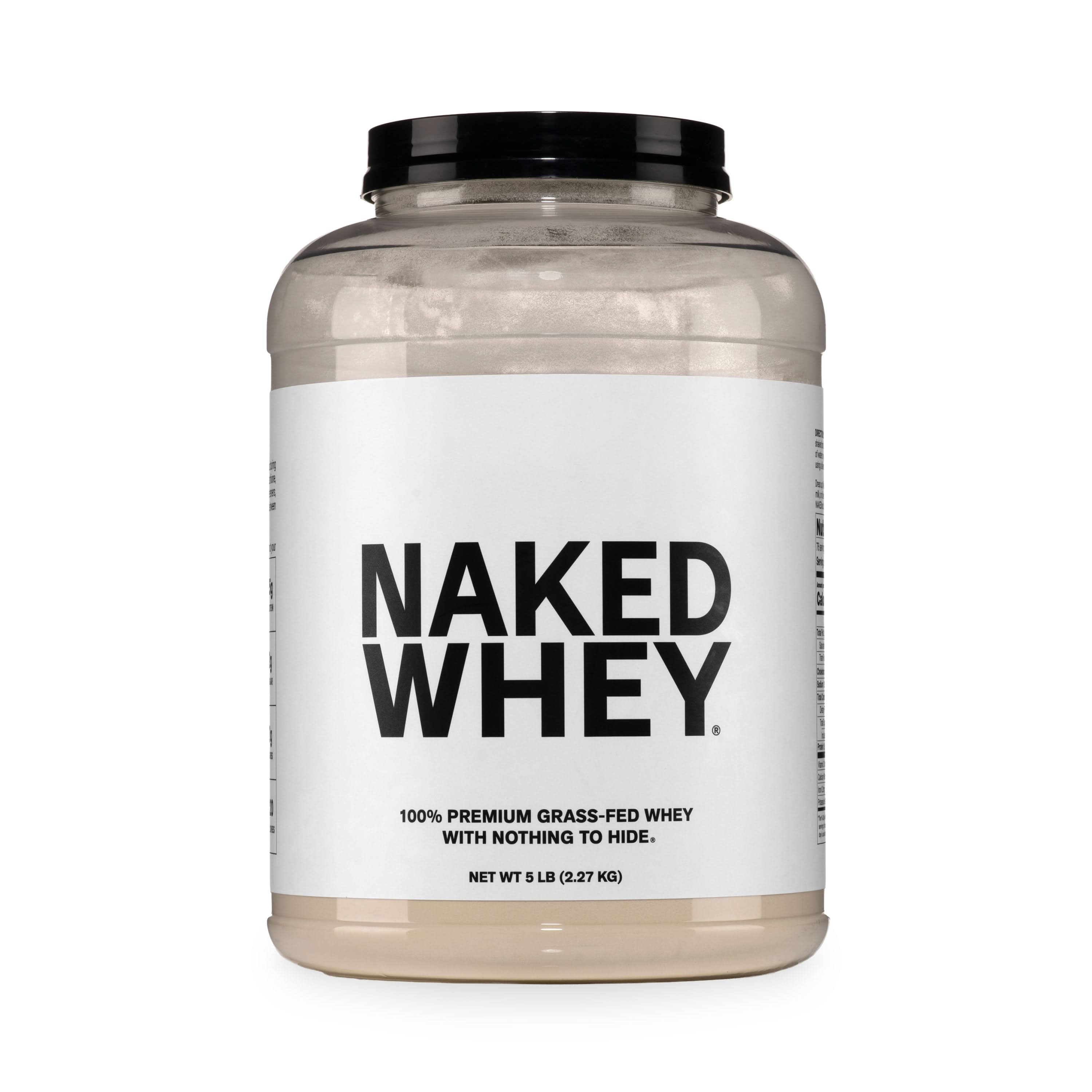
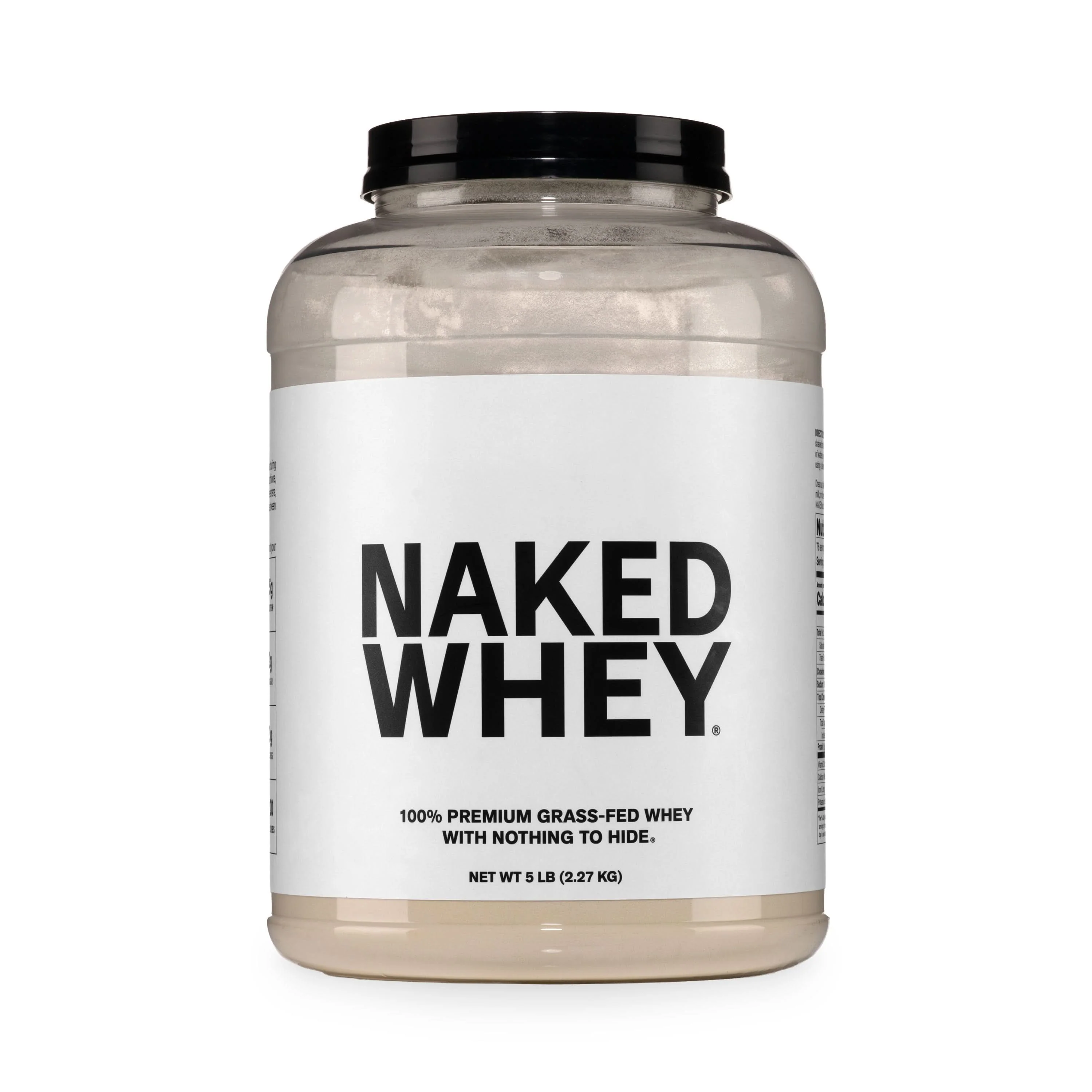
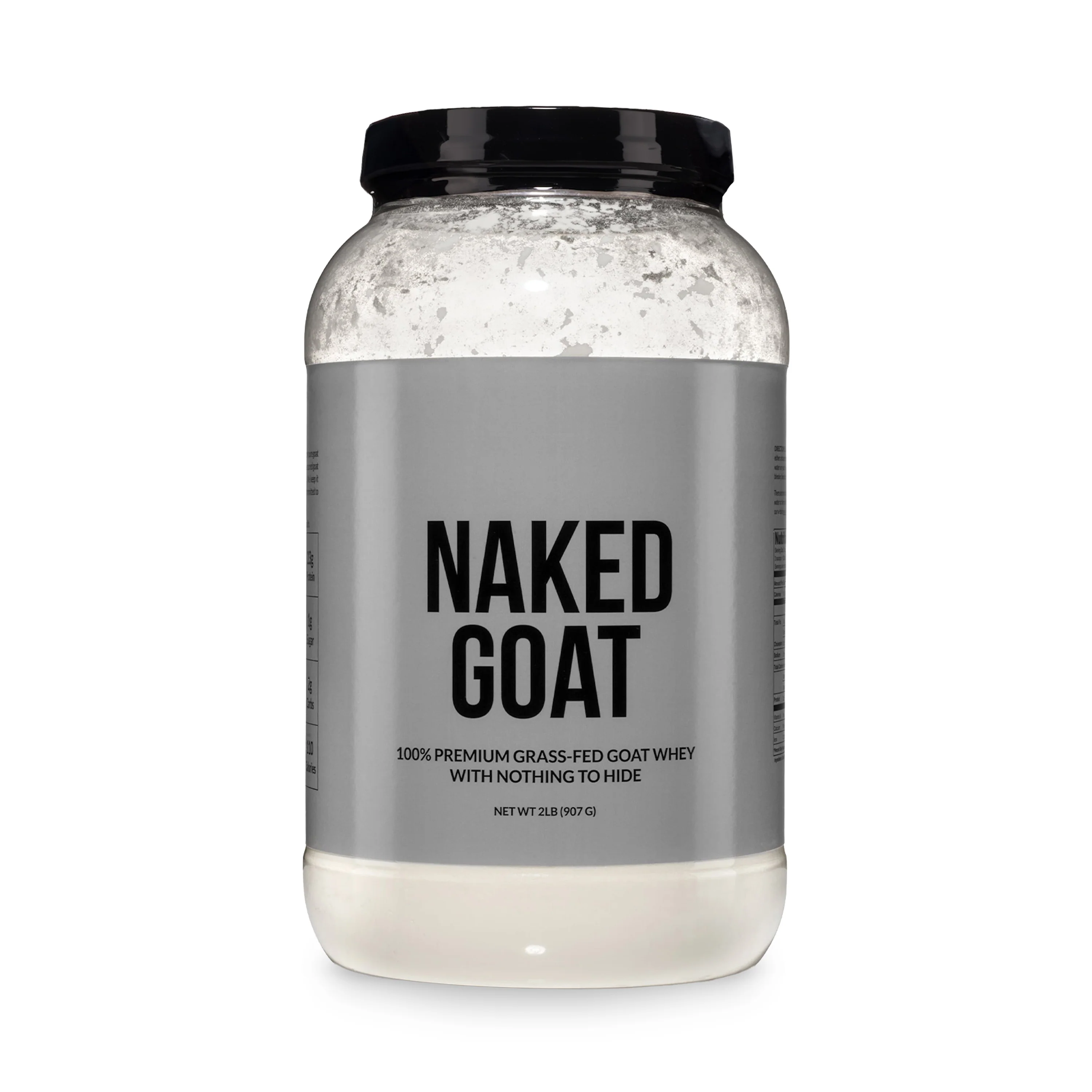
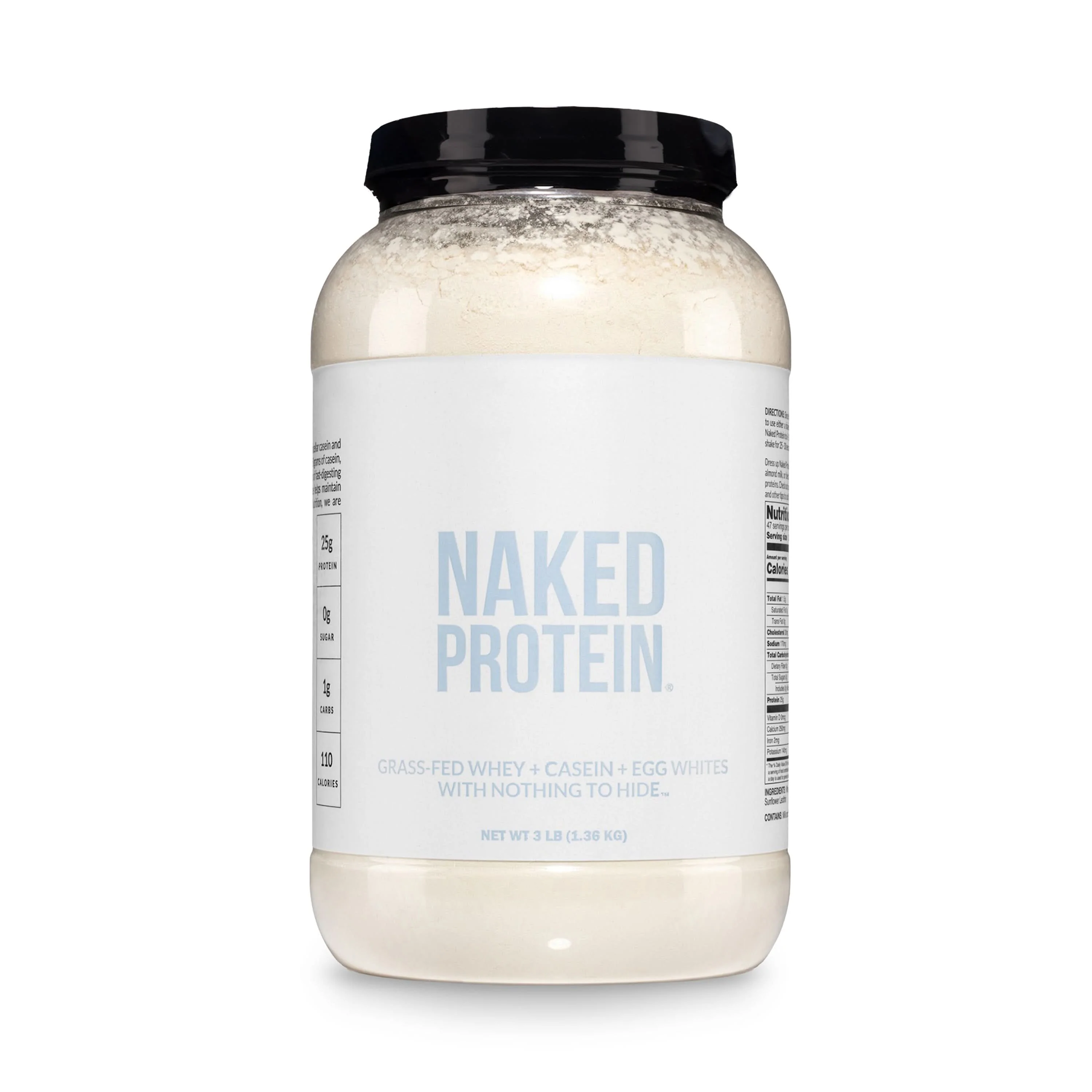
Grass Fed Whey Protein Powder | Naked Whey
- Whey Protein Base
- Non-GMO
- Grass-Fed Source
- No Artificial Additives
What Is Soy Lecithin in Protein Powder — And Why Is It There?
Pick up almost any protein powder and flip it over. The ingredient list is rarely just "whey protein." Somewhere near the bottom, often buried in an "other ingredients" section, you'll find soy lecithin. It's one of the most common additives in the supplement industry, and most people have no idea what it actually does.
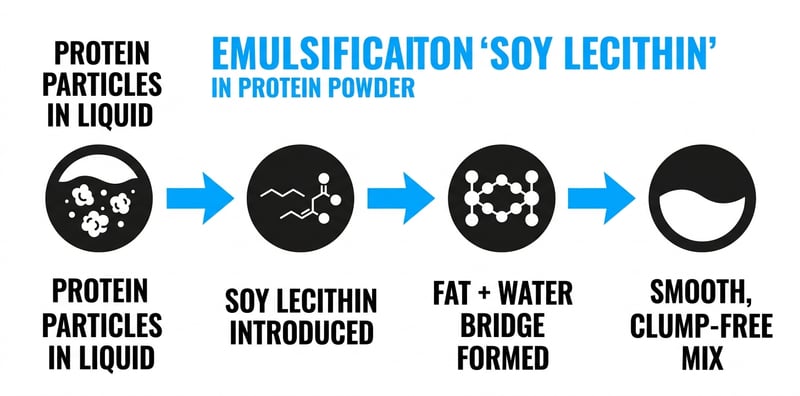
Soy lecithin protein powder is a topic worth understanding clearly, because the ingredient itself is often misunderstood. Soy lecithin is not a protein. It's a mixture of phospholipids — a type of fat — extracted from soybeans during the processing of soybean oil. Its job in a protein powder isn't to add nutrition. It's to act as an emulsifier: a substance that helps oil and water-based ingredients blend smoothly and stay blended, reducing clumping when you mix your powder with liquid.
This is also where a critical distinction gets missed. Soy lecithin and soy protein isolate are completely different ingredients. Soy protein isolate is a concentrated protein source derived from defatted soy flour. Soy lecithin is a fat fraction, present in trace amounts, with negligible protein content. If you're avoiding soy protein for digestive or dietary reasons, you still need to check separately for soy lecithin — they appear independently on labels.
Lecithin doesn't have to come from soybeans. Egg yolks, sunflower seeds, and rapeseed are all viable sources. Each serves the same basic emulsification function. The reason soy lecithin dominates the market comes down to one factor: cost. It's extracted as a byproduct of soybean oil production, which makes it exceptionally cheap to source at scale.
- Acts as an emulsifier by binding fat-soluble and water-soluble compounds together
- Reduces clumping by coating protein particles so they disperse more evenly in liquid
- Improves mouthfeel and creates a creamier texture without adding significant calories
- Extends shelf life by preventing separation of ingredients over time
Why Do Protein Powder Brands Add Soy Lecithin?
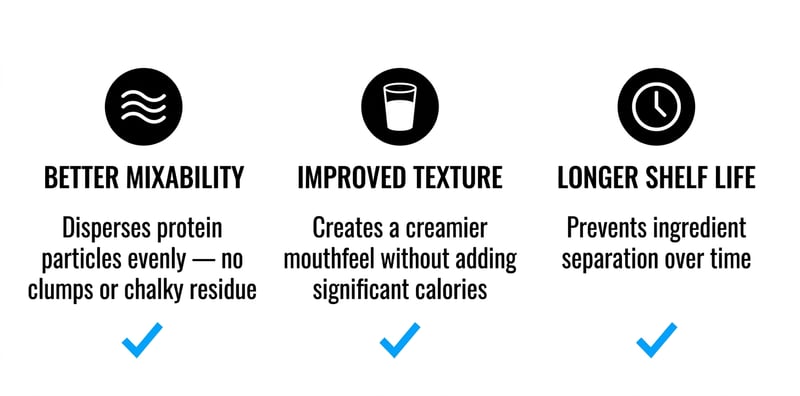
The functional case for soy lecithin is real. Protein powders, particularly whey concentrates and isolates, can be notoriously stubborn to mix. Without an emulsifier, you get clumps, chalky residue at the bottom of your shaker, and a gritty texture that makes the product genuinely unpleasant to drink. Soy lecithin solves that problem cheaply and effectively.
But there's a second, less flattering reason it shows up so frequently: it masks the consequences of using low-quality source materials. Here's how that works. When dairy cows are grass-fed, the milk they produce contains higher concentrations of omega-3 fatty acids and conjugated linoleic acid, which contributes to a naturally richer, creamier protein profile. When cows are kept in feedlots and fed grain-based diets — the norm in industrial dairy operations — the resulting milk is thinner and less flavorful. The protein powder made from that milk reflects those shortcomings.
Rather than upgrading their sourcing, manufacturers add cheap emulsifiers and thickeners to paper over the textural problems. Soy lecithin is the go-to choice because it's a byproduct of soybean oil processing, meaning it's essentially a commodity with very low cost per unit. That cost advantage has nothing to do with your health outcomes.
The practical implication is this: soy lecithin on an ingredient label can be a signal worth scrutinizing. It doesn't automatically mean a product is poor quality, but when it appears alongside artificial flavors, sweeteners, and fillers, you're looking at a formula built around convenience and margins, not nutrition. If a protein powder mixes exceptionally smoothly and carries a long ingredient list, that combination is worth a second look.
Potential Health Concerns with Soy Lecithin
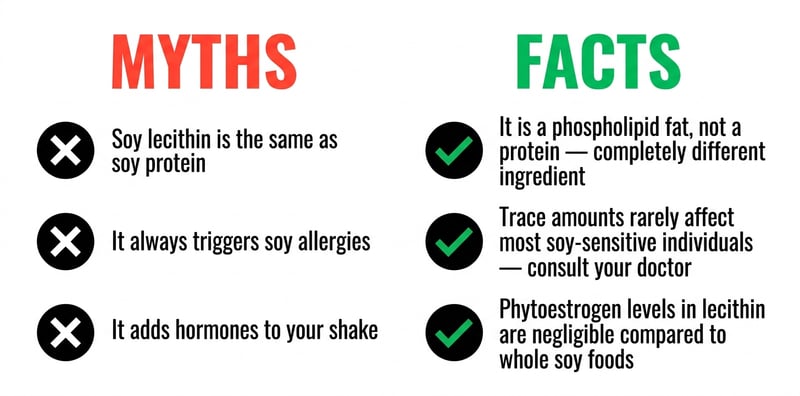
For most healthy adults consuming soy lecithin at the amounts found in a typical protein powder serving, the risk is likely low. But "low" doesn't mean zero, and certain populations have concrete reasons to be more careful.
GMO exposure: The majority of soybeans grown in the United States are genetically modified. If avoiding GMO ingredients is a priority for you — whether for health, environmental, or ethical reasons — soy lecithin from conventional sources is a direct conflict with that goal. Non-GMO certification on a label matters here, but it's not universal.
Phytoestrogens: Soy contains compounds called phytoestrogens, specifically isoflavones, that can bind to estrogen receptors in the human body. Soy lecithin contains significantly fewer isoflavones than whole soy foods or soy protein isolate, since it's a fat fraction rather than a protein fraction. That said, some isoflavone content remains. Research on the clinical significance of trace phytoestrogen exposure from lecithin specifically is limited, and the findings don't translate directly from food-based soy consumption studies.
📊 What Research Says
Animal studies have raised questions about high soy phytoestrogen intake. Research published in Developmental Psychobiology found that offspring of rats fed high-soy diets showed increased risk of cognitive and behavioral problems in adulthood. A separate analysis flagged phytoestrogens as potentially worsening certain forms of hormone-sensitive breast cancer. Critically, these findings involved high-dose soy diets in animal models — not trace lecithin in a protein powder — so direct extrapolation to human supplementation requires caution.
Soy allergies: Highly refined soy lecithin contains minimal soy protein, which is what triggers most allergic responses. The FDA considers highly refined soy lecithin safe for people with soy allergies in most cases. However, sensitivity varies considerably between individuals, and anyone with a known soy allergy should consult a physician before consuming products containing soy lecithin.
Hormone-sensitive conditions: People managing estrogen-receptor-positive breast cancer or other hormone-sensitive conditions are generally advised to limit phytoestrogen exposure. Even trace amounts from lecithin may warrant a conversation with a healthcare provider.
How to Identify Soy Lecithin on a Protein Powder Label
Knowing soy lecithin is a concern is only useful if you can actually find it. Supplement labels aren't always straightforward, and emulsifiers often get buried where most people stop reading.
Start with the "Other Ingredients" section, not the Supplement Facts panel. The Supplement Facts panel lists nutrients with measurable amounts. Soy lecithin, used in small functional quantities, typically lands in the "other ingredients" or "contains" section just below it. That's where you'll find it alongside any artificial flavors, sweeteners, and stabilizers.
Soy lecithin can appear under several names on ingredient labels. Watch for:
- Soy lecithin
- Lecithin (soy)
- Soya lecithin
- E322 (the European food additive code for lecithin)
- Phosphatidylcholine (the specific phospholipid component, though this is less commonly listed this way on supplements)
If you're actively avoiding GMO ingredients, look for Non-GMO Project Verified or USDA Organic certification on the label. Organic certification prohibits GMO ingredients by definition. Third-party testing certifications like NSF Certified for Sport or Informed Sport signal that the product has been independently tested for banned substances and label accuracy — these are trust indicators, though they don't specifically screen for soy lecithin.
One practical heuristic: if a protein powder dissolves almost instantly, produces no foam, and has a velvety texture with a short ingredient list, you're likely looking at a well-sourced product. If it dissolves suspiciously smoothly but has 15 ingredients, the texture is likely engineered rather than inherent.
Soy Lecithin vs. Sunflower Lecithin: Is There a Better Alternative?
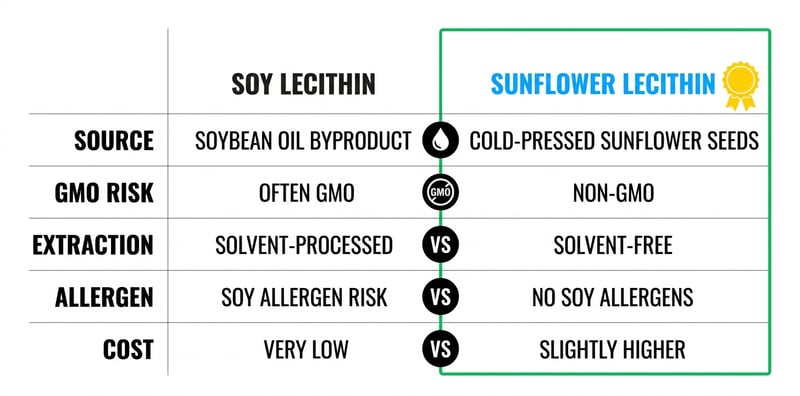
Not all lecithins carry the same concerns. Sunflower lecithin has emerged as the leading clean-label alternative, and the differences are meaningful.
Sunflower lecithin is extracted from sunflower seeds through a cold-press mechanical process — no chemical solvents required. Soy lecithin, by contrast, is typically extracted using hexane, a petroleum-derived solvent, before being refined. While hexane residues are supposed to be removed during processing, the extraction method itself is a sticking point for consumers focused on clean ingredient standards.
- GMO status: Sunflower lecithin is non-GMO by nature. Soy lecithin requires specific non-GMO certification to guarantee the same.
- Extraction method: Sunflower lecithin uses cold-press mechanical extraction. Soy lecithin is typically hexane-extracted before refining.
- Allergen profile: Sunflower lecithin is free of soy allergens. Soy lecithin, even highly refined, retains trace soy protein.
- Phytoestrogen content: Sunflower lecithin contains no soy isoflavones, removing that concern entirely.
- Cost: Sunflower lecithin costs more to produce, which is why it appears in premium formulations rather than mass-market products.
Some protein powders skip lecithin altogether. Without any emulsifier, a powder may require more vigorous shaking and won't dissolve quite as effortlessly. It might be slightly less creamy. For many consumers, that's a worthwhile trade-off for a shorter, cleaner ingredient list. The best-quality whey and plant proteins mix reasonably well on their own when the underlying source material is high-grade to begin with.
If a brand is using sunflower lecithin, that's a positive signal about their ingredient philosophy. If they're using no lecithin at all and the product still tastes good and mixes well, that's a better signal still.
What Naked Nutrition Does Differently
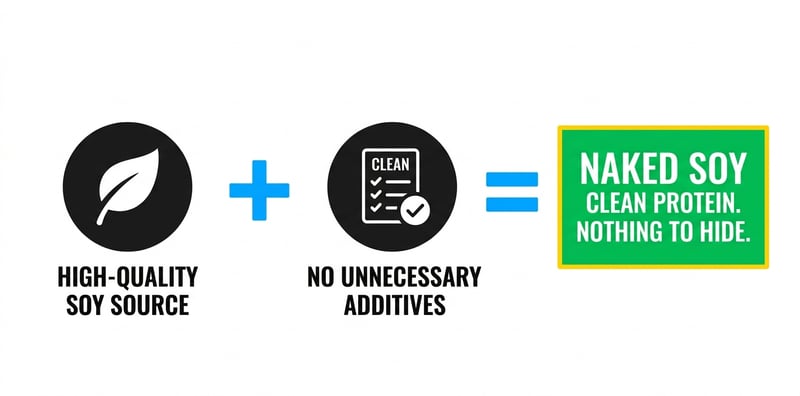
Naked Nutrition was built on a straightforward premise: supplements shouldn't need a chemistry degree to decode. Every product in the lineup starts with the fewest possible ingredients, and each one is there for a nutritional reason, not a manufacturing convenience.
That means no soy lecithin. Naked Nutrition protein powders don't rely on emulsifiers to fix texture problems caused by cheap source materials. The whey proteins are sourced from grass-fed cows, producing milk with a naturally higher fatty acid quality and a richer protein profile that doesn't need cosmetic correction. The result is a product that mixes reasonably well on its own, without the smoothing effects of an additive.
The same philosophy applies across the full product range. Whether you're looking at whey protein, pea protein, or casein, the ingredient lists are short and transparent. You know what you're consuming because there's nothing to hide. No artificial sweeteners, no proprietary blends that obscure actual dosages, no additives that exist purely to cut production costs.
This approach does mean the products aren't quite as silky as a powder engineered with multiple emulsifiers and stabilizers. If you shake it once and leave it for five minutes, you may see some settling. That's normal for an unadulterated protein. Shake it again, drink it, and move on. The trade is a cleaner product for a slight inconvenience, and it's worth it.
If you're ready to stop guessing what's in your protein powder, start with the label. Then compare it to ours.
Should You Avoid Soy Lecithin in Protein Powder?
For most healthy adults consuming a single daily serving of protein powder, the amount of soy lecithin ingested is small enough that the direct health risk is likely minimal. That's the honest answer. But "probably fine for most people" isn't the same as "no reason to care," and the ingredient deserves more than a pass by default.
Here's a practical framework for making the call:
- If you have a soy allergy: Proceed with caution. Highly refined soy lecithin has low residual soy protein, but individual sensitivity varies. Opt for sunflower lecithin or lecithin-free products, and consult your doctor if uncertain.
- If you're managing a hormone-sensitive condition: The phytoestrogen question is real enough to warrant avoiding soy lecithin and choosing a clearly non-soy alternative.
- If you actively avoid GMO ingredients: Standard soy lecithin comes from GMO soy. Non-GMO certified products exist, but you have to verify that certification is present, not assumed.
- If none of the above apply: The risk from soy lecithin at supplemental doses is low. But its presence in a formula is still worth reading as a quality signal. It often indicates cut corners elsewhere in the ingredient sourcing process.
The habit to build is simple: read the full ingredient list before you buy. Not just the protein content on the front label, not just the macros on the Supplement Facts panel, but the complete "other ingredients" section. The more transparent a brand is about what's in their product, the more confident you can be about what you're actually putting in your body.
If you want to start somewhere, explore Naked Nutrition's protein powder lineup. The ingredient lists are short enough to read in about ten seconds. That's the point.
Frequently Asked Questions
What exactly is soy lecithin, and why is it added to protein powder?
Soy lecithin is a phospholipid mixture derived from soybeans during oil processing. It's added to protein powders primarily as an emulsifier, meaning it helps fat and water mix together so your powder dissolves smoothly instead of clumping. Without it, many protein powders would be difficult to mix and leave a gritty texture in your shaker.
How much soy lecithin is actually in a typical protein powder serving?
Most protein powders contain between 1 and 5 grams of soy lecithin per serving, with many landing closer to 1 to 2 grams. At these concentrations, it functions as an additive rather than a meaningful source of soy protein or phytoestrogens. The dose is low enough that the hormonal concerns some people associate with soy don't apply here.
Does soy lecithin affect hormone levels or raise estrogen?
This is one of the most common concerns, and the evidence doesn't support it at the amounts found in protein powder. Soy lecithin is predominantly composed of phosphatidylcholine and phosphatidylethanolamine, not isoflavones, which are the phytoestrogens found in soy protein. A 2010 review in Reproductive Toxicology found that soy lecithin had no measurable estrogenic activity at typical dietary doses.
Is soy lecithin protein powder safe for people with soy allergies?
People with soy allergies should exercise caution, even though soy lecithin contains minimal soy protein. The FDA recognizes soy as a major allergen and requires its labeling on food products. If your soy allergy is mild, many people tolerate soy lecithin without issue, but if you've had a severe or anaphylactic reaction to soy in the past, avoid it entirely and consult your allergist first.
Does soy lecithin provide any nutritional benefit beyond improving mixability?
Yes, though it's not the primary reason it's in your protein powder. Soy lecithin is a source of choline, a nutrient essential for liver function, brain health, and cell membrane integrity. A 2018 study in the American Journal of Clinical Nutrition found that choline intake is commonly below recommended levels in the U.S. population, so even a small contribution from lecithin is worth noting.
Is soy lecithin in protein powder non-GMO and third-party tested?
It depends entirely on the brand. Most conventional soy in the U.S. is genetically modified, so if this matters to you, look specifically for a non-GMO certification on the label. Reputable brands like Naked Nutrition use non-GMO soy lecithin and have their products third-party tested, with many NSF Certified, to verify ingredient integrity and purity.
Can I find protein powders without soy lecithin if I want to avoid it entirely?
Yes, soy lecithin-free protein powders exist, though they're less common because emulsifiers do genuinely improve texture and solubility. Some brands use sunflower lecithin as an alternative, which delivers the same mixing benefits without any soy. If you're committed to avoiding soy lecithin, check the ingredient list carefully since it can appear under names like "soya lecithin" or simply "lecithin."
Will soy lecithin protein powder work for building muscle the same way whey does?
Soy lecithin itself doesn't drive muscle protein synthesis. What matters is the protein source in your powder, whether that's whey, soy protein isolate, casein, or a plant blend. Soy protein isolate is a complete protein with all nine essential amino acids and has been shown in studies like Tang et al. (2009, Applied Physiology, Nutrition, and Metabolism) to support muscle building, though whey still shows a modest edge in leucine content and absorption speed.
Top General Nutrition Picks
Chosen by 1 million+ customers. Free shipping on orders over $100.
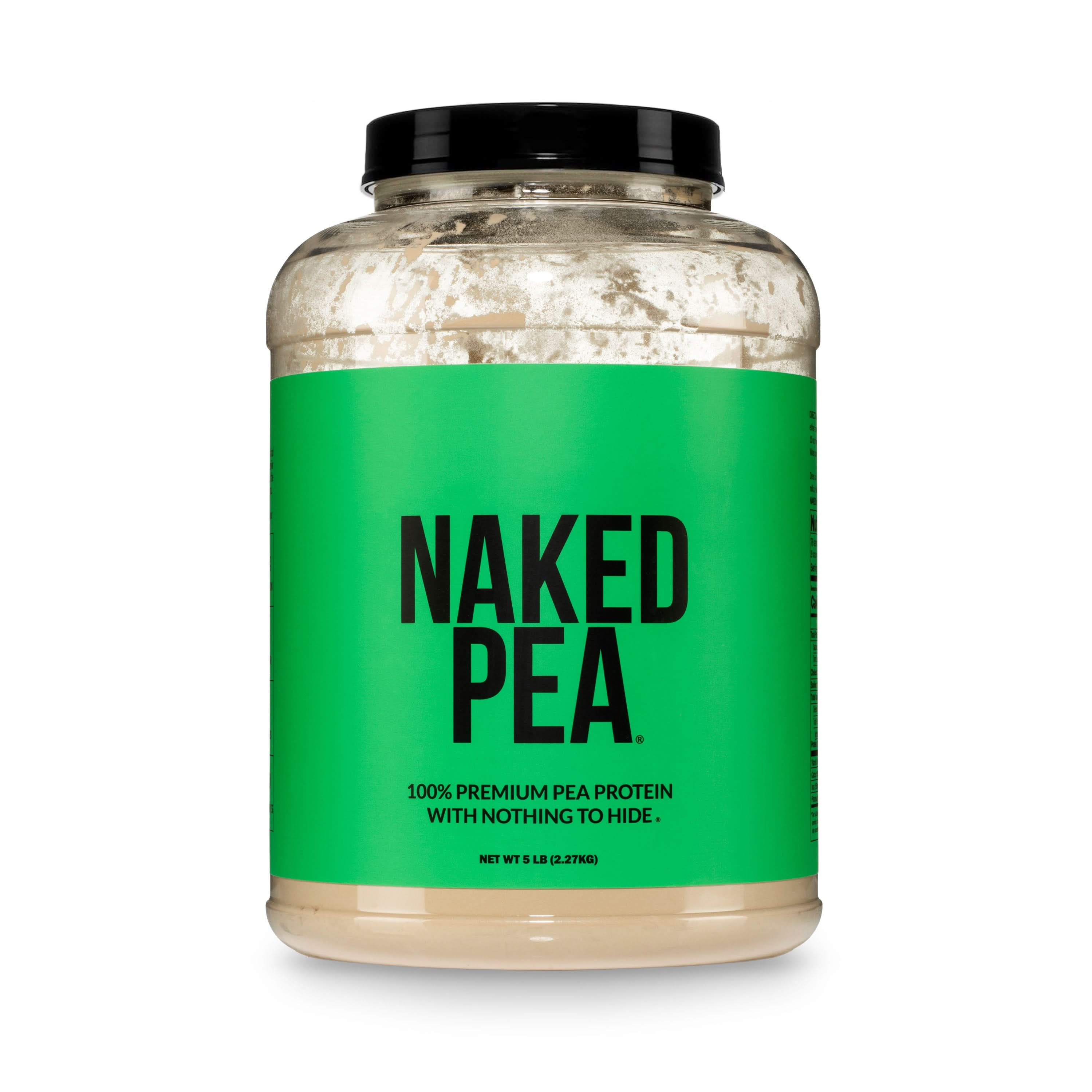
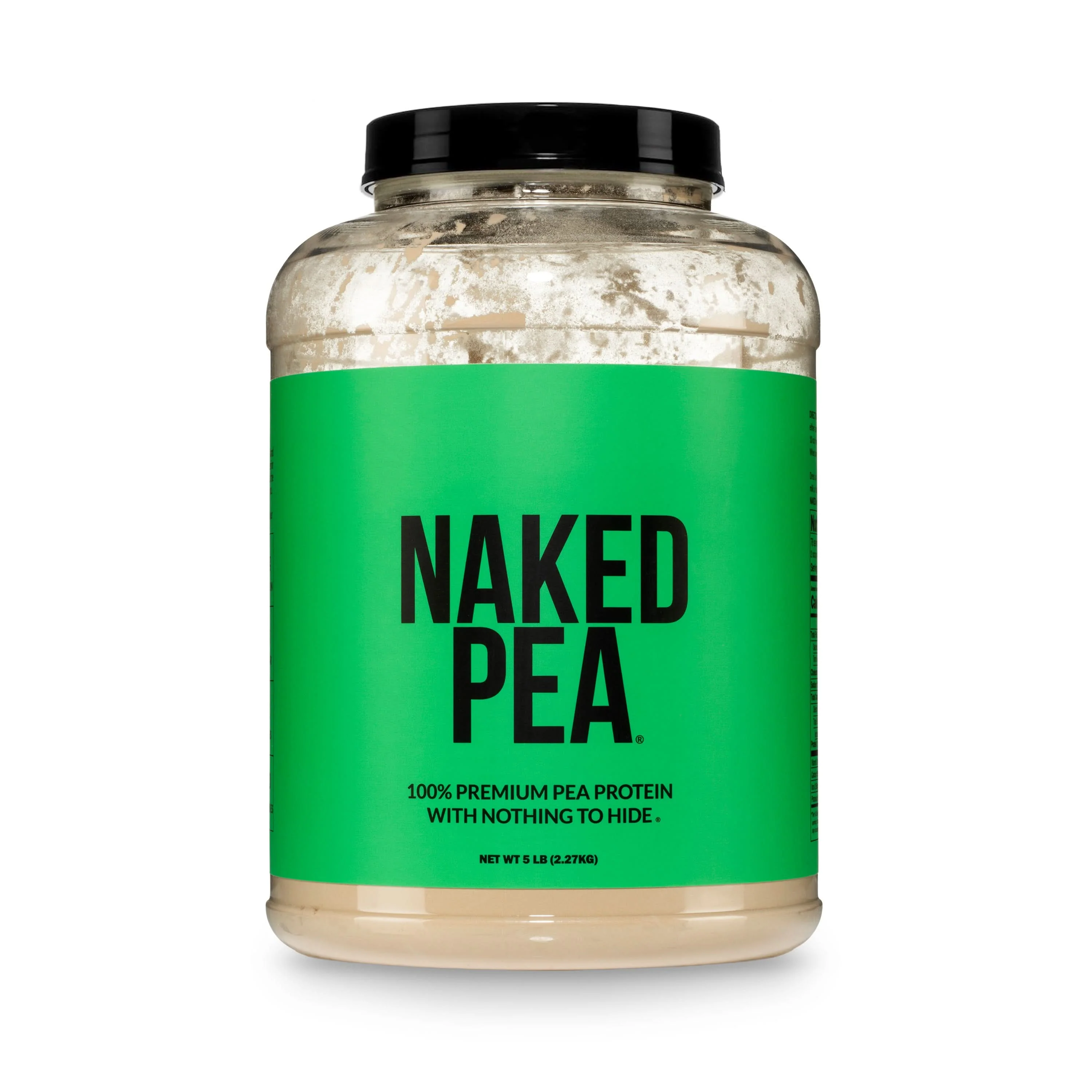
Pea Protein Powder | Naked Pea - 5LB
$57.99
- ✓ Sustainable Farming Practices
- ✓ Superior Amino Acid Profile
- ✓ Promote Muscle Gain
- ✓ Lose Weight
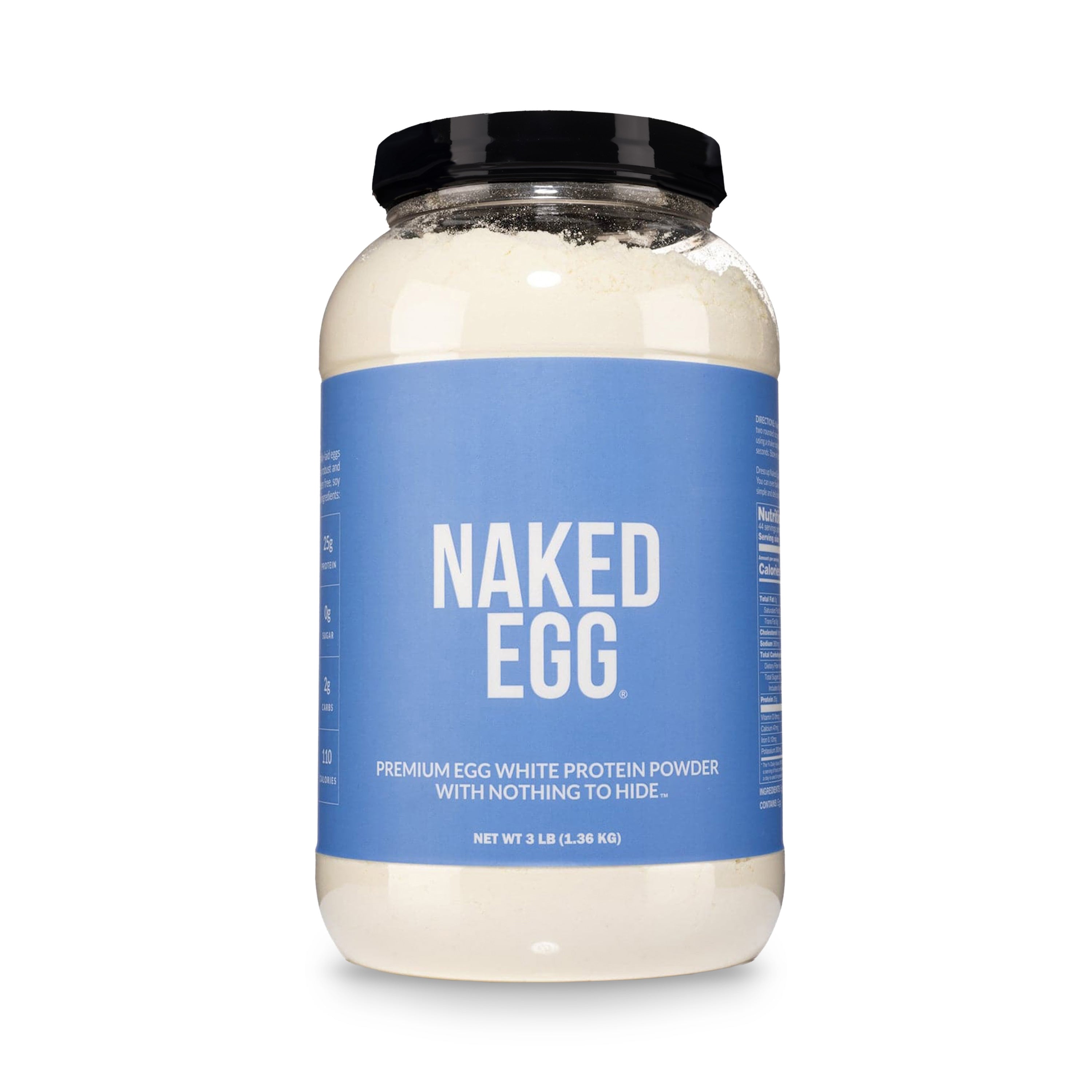
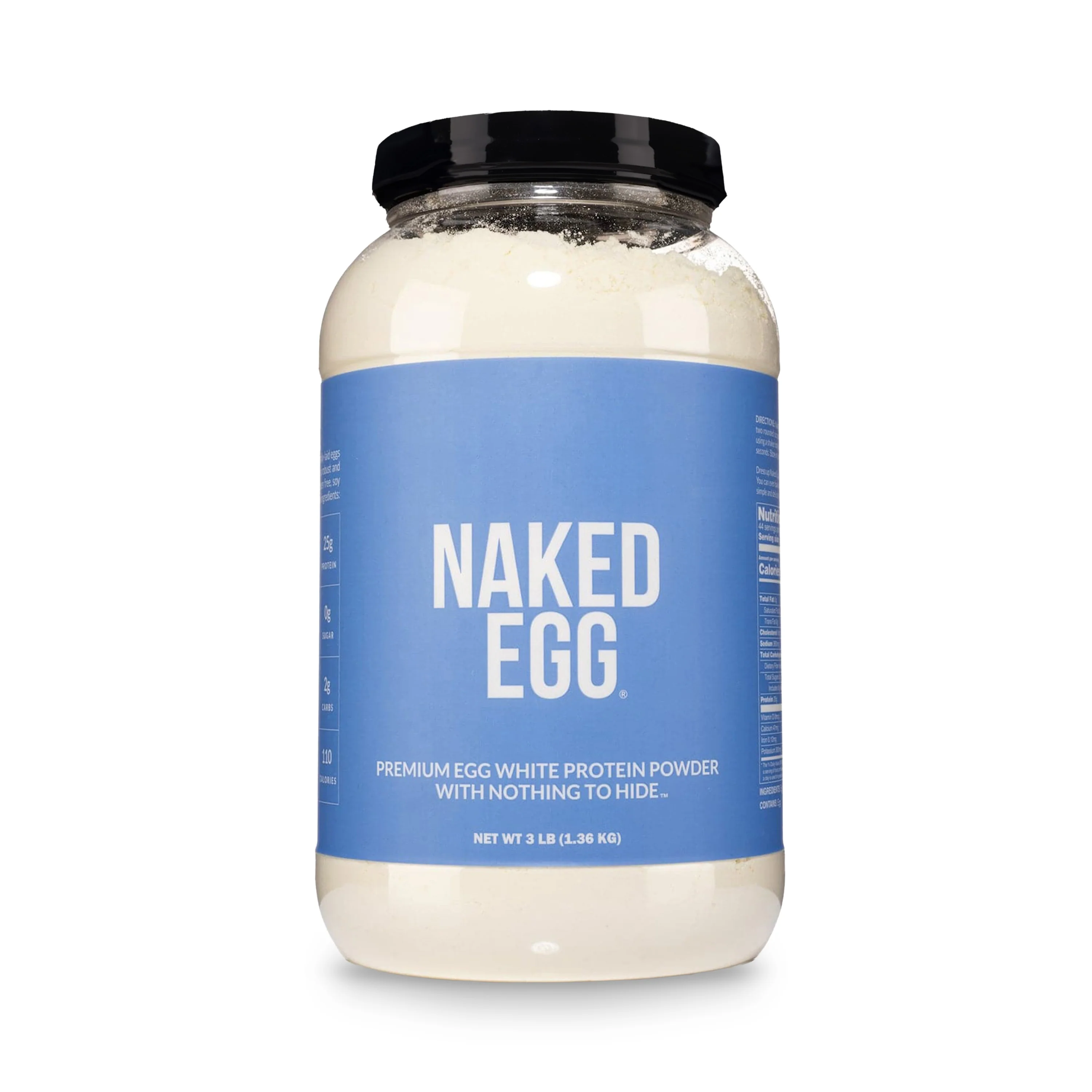
Egg White Protein Powder | Naked Egg - 3LB
$79.99
- ✓ From non-GMO eggs exclusively from US farms
- ✓ Processed from fresh eggs into powder in under one day to retain a complete amino acid profile
- ✓ 25g of protein and 5.8g of BCAA's per serving
- ✓ Zero sugar
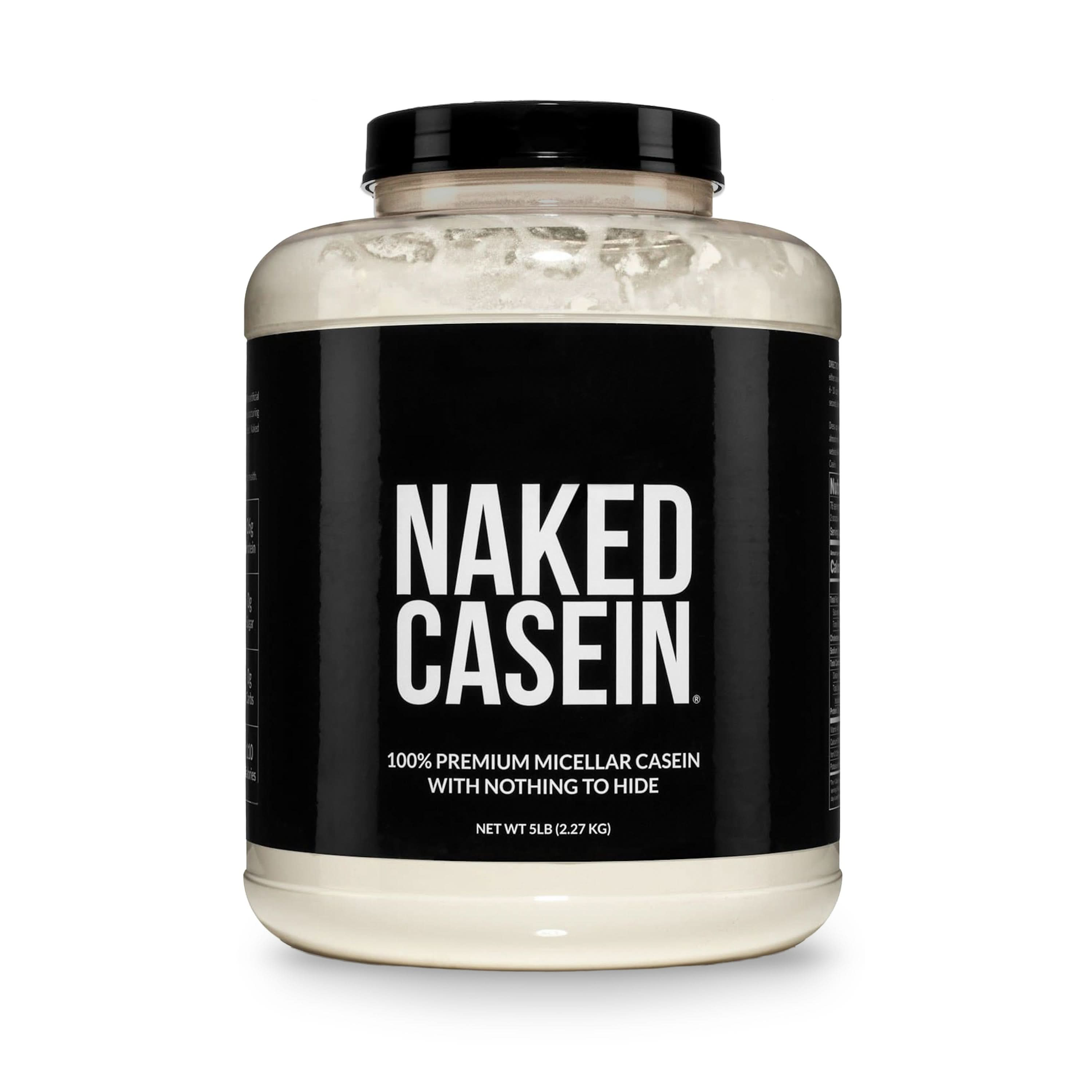
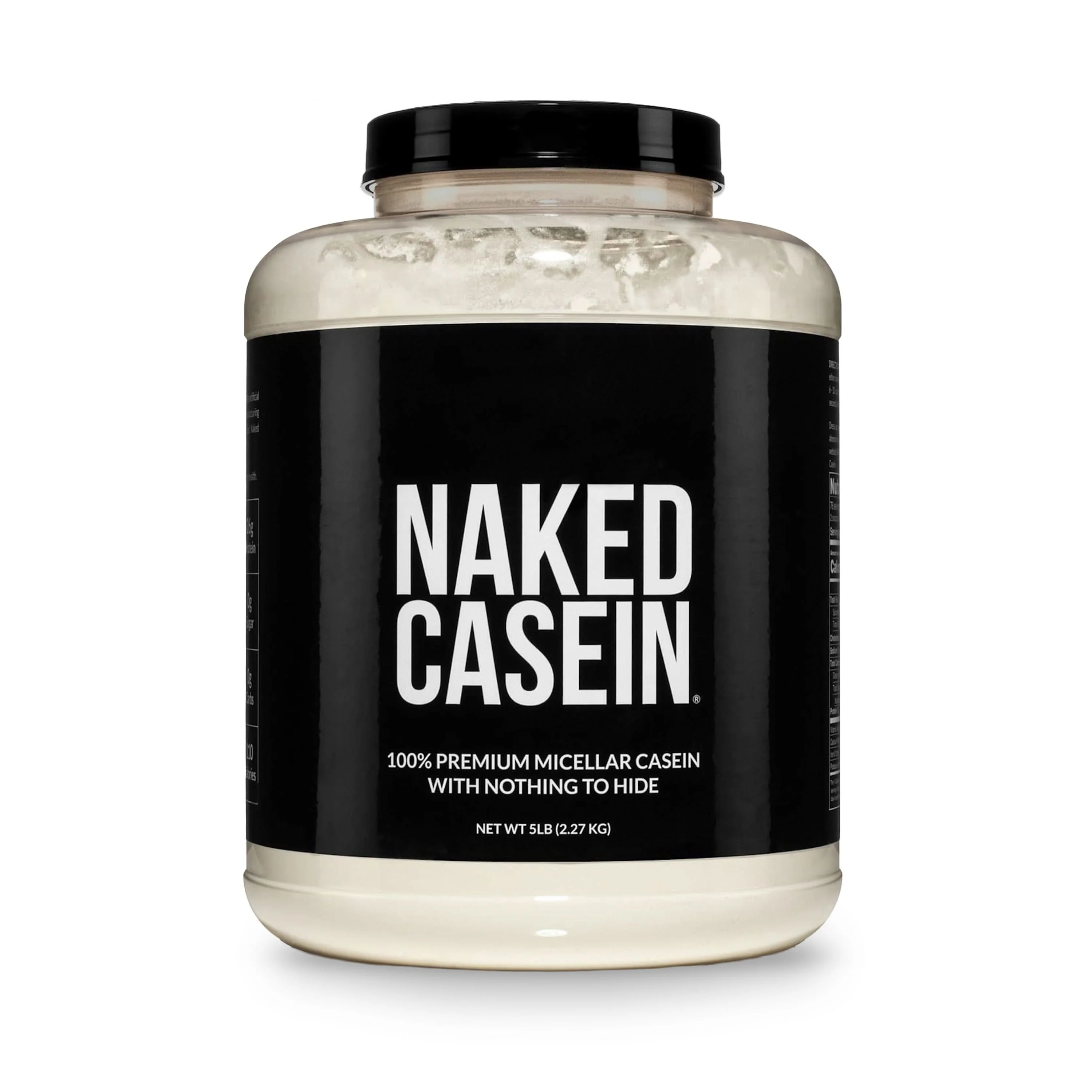
Micellar Casein Protein Powder Supplement - 5LB
$109.99
- ✓ Why Micellar Casein Protein
- ✓ Promote Muscle Growth While You Sleep
- ✓ Improve Body Composition