


Key Takeaways
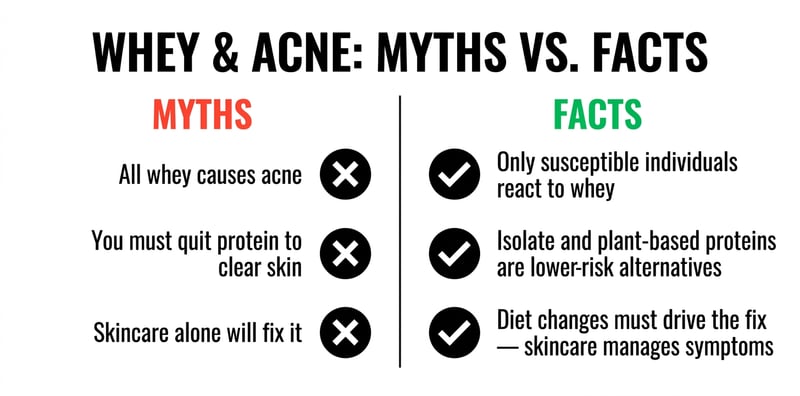
- Whey triggers acne through specific pathways: Elevated IGF-1 levels, insulin spikes, and dairy-origin hormones all contribute to sebum overproduction and breakouts in susceptible individuals.
- Not everyone is affected equally: Genetics, skin type, and baseline hormone levels determine how severely whey impacts your skin — some people experience no acne at all.
- Protein type matters: Whey isolate contains less lactose and fewer dairy hormones than concentrate. Plant-based proteins like pea protein carry virtually no acne-triggering risk.
- Diet amplifies or dampens the effect: A low-glycemic diet with anti-inflammatory foods can meaningfully reduce whey-induced breakouts, even without switching proteins.
- Timing and dosage are your first levers: Post-workout consumption and dose reduction are practical first steps before eliminating whey entirely.
- Skincare manages symptoms but doesn't solve the root cause: A targeted routine with salicylic acid, retinoids, and niacinamide helps, but dietary changes must drive the fix.
- See a dermatologist if breakouts are cystic, severe, or persist 4-6 weeks after stopping whey: Scarring and complex skin reactions need professional evaluation.
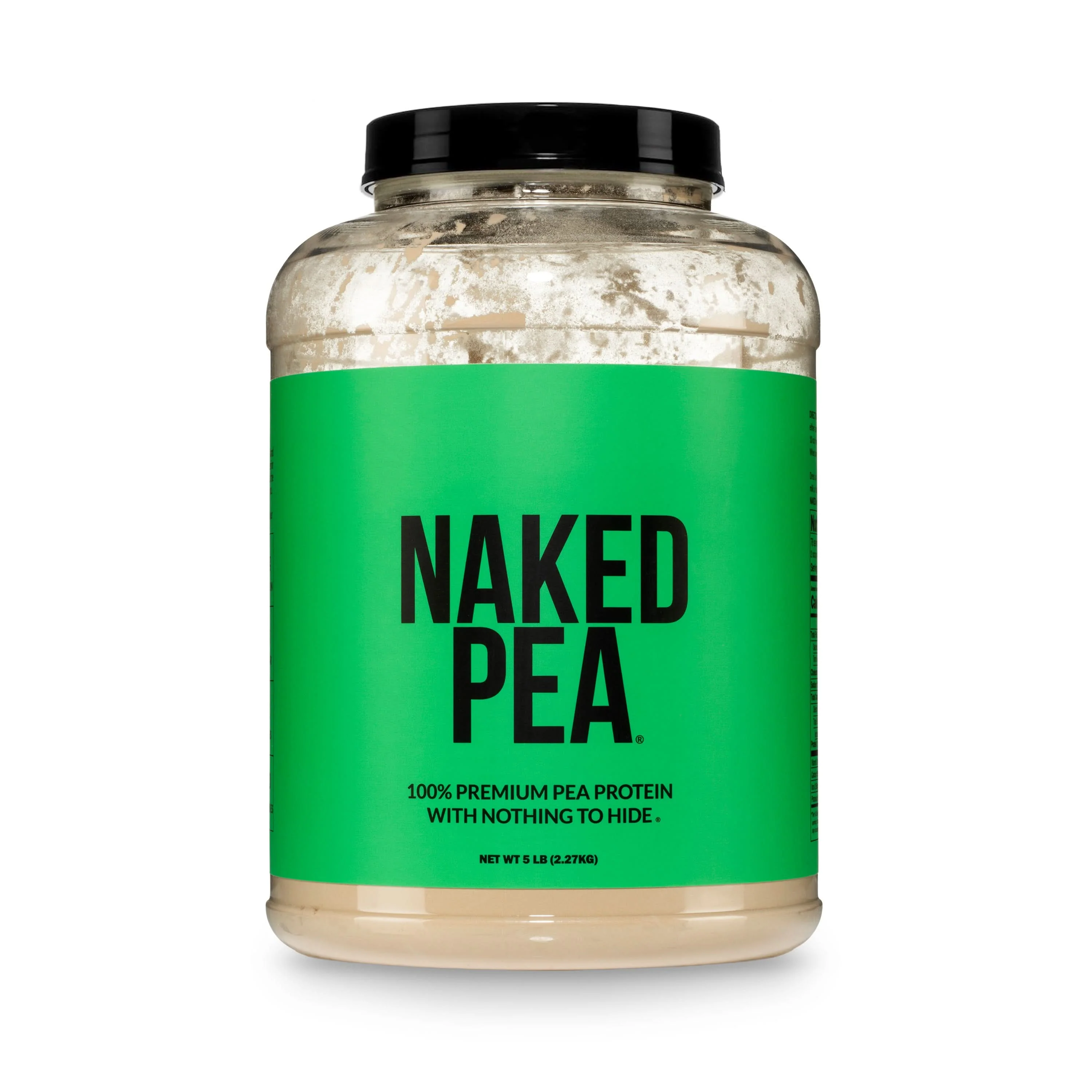
Pea Protein Powder | Naked Pea - 5LB
- Sustainable Farming Practices
- Superior Amino Acid Profile
- Promote Muscle Gain
- Lose Weight
This information is for educational purposes only and is not a substitute for professional medical advice. Always consult a qualified healthcare provider about persistent acne or before making changes to your diet or supplement routine.
Why Whey Protein Can Cause Acne: The Science Explained
You started taking whey protein to build muscle and recover faster. A few weeks later, your jawline looks like it did at sixteen. This isn't coincidence, and it's not just you.
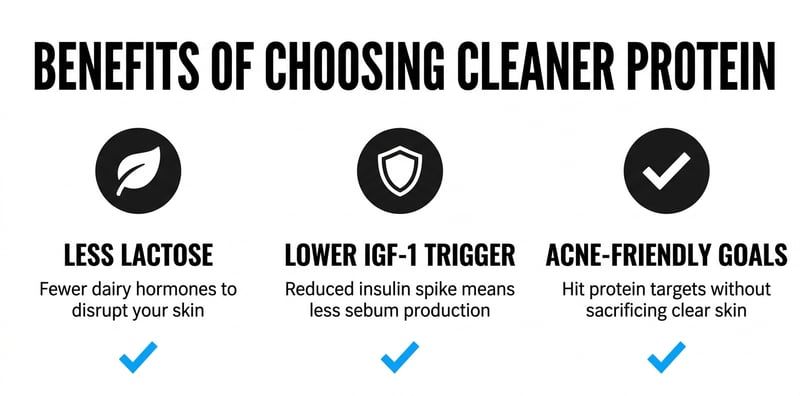
Whey protein triggers acne through several overlapping biological mechanisms. The primary driver is insulin-like growth factor 1 (IGF-1). When you consume whey, IGF-1 levels rise, which directly stimulates sebaceous glands to produce more sebum. Excess sebum clogs pores, and clogged pores become a feeding ground for acne-causing bacteria. Simultaneously, IGF-1 accelerates skin cell turnover, causing dead cells to accumulate faster than they shed and block follicles.
Whey also causes a rapid insulin spike due to its high insulinogenic effect — faster and more pronounced than most other protein sources. That spike activates androgen receptors and sets off an inflammatory cascade in the skin within 24 to 48 hours of consumption. This is the same pathway that makes high-glycemic foods acne-promoting, and whey hits it hard.
The dairy origin of whey adds another layer. Milk naturally contains hormones and bioactive growth factors that interact with your endocrine system. These compounds can amplify hormonal imbalances, particularly along the jawline and chin — the classic pattern of hormonal acne.
📊 What Research Says
A 2024 case-control study by Muhaidat et al. found that a significantly higher proportion of acne-afflicted participants consumed whey protein compared to those without acne. A 2019 meta-analysis also confirmed a positive relationship between dairy consumption and acne occurrence across multiple milk types. Research by Simonart (2012) and Zalewa et al. (2024) specifically identifies whey's enhancement of insulin/IGF-1 signaling as a key mechanism that aggravates acne vulgaris.
Individual variability is real. A 2013 study conducted in João Pessoa examined 30 participants using whey protein for two months and observed acne onset with progressive supplementation — notably more prevalent in females and in individuals without a prior acne history or family predisposition. People with naturally oily skin or a genetic tendency toward acne typically experience more pronounced reactions, but the 2013 data shows that even those without a predisposition aren't fully protected. Gender differences in susceptibility appear to be real, though more research is needed to characterize them fully.
Step 1: Choose a Cleaner Protein — Isolate vs. Concentrate vs. Plant-Based
The first practical question is whether you need to eliminate whey entirely or just switch to a cleaner form of it. The answer depends on how severely your skin reacts, and the protein type you choose matters significantly.
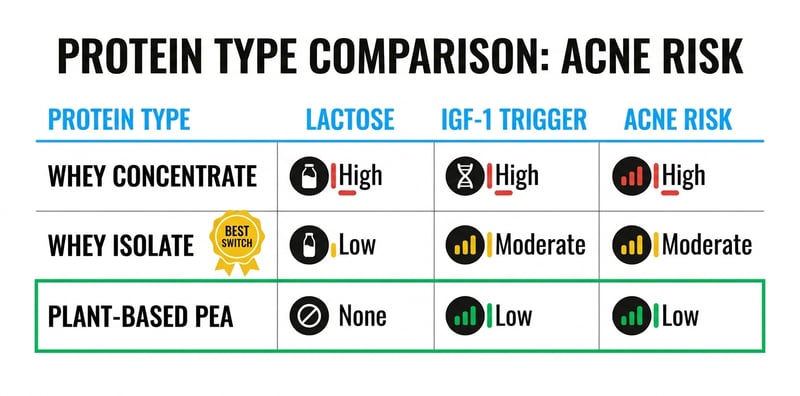
- Whey Concentrate: Contains more lactose, residual dairy hormones, and milk fats — highest acne risk among whey options.
- Whey Isolate: Further filtered to remove most lactose and milk fat, reducing hormonal load. A reasonable first step before full elimination.
- Hydrolyzed Whey: Pre-digested for faster absorption; may produce a slightly different insulin response, though acne benefits over isolate are not well established.
- Plant-Based Proteins (Pea, Hemp, Brown Rice, Soy): Contain no dairy hormones and do not elevate IGF-1 through the same pathway — lowest acne risk.
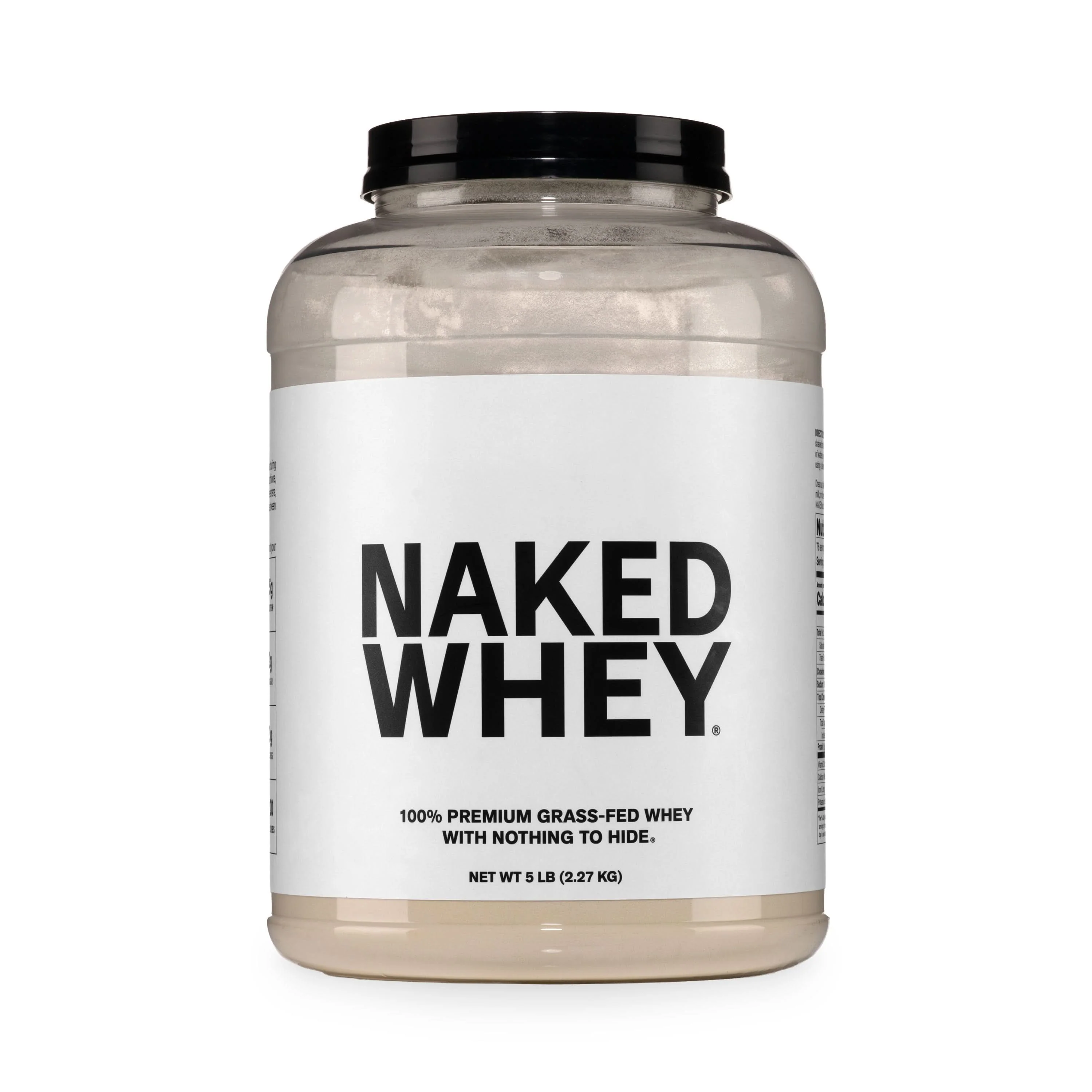
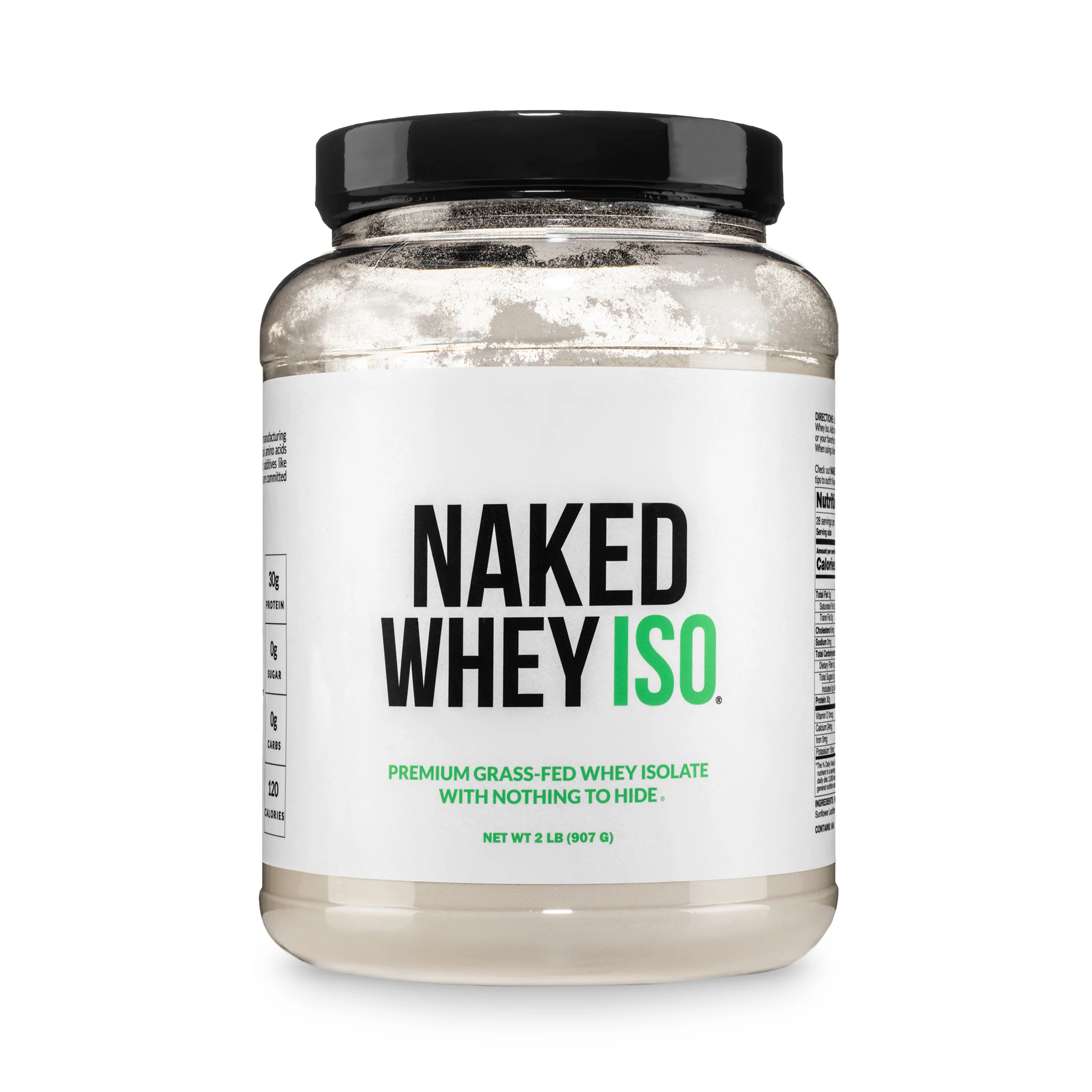
Multiple studies recommend non-dairy protein supplements as alternatives that do not carry the same acne-promoting effects as whey (Baldwin & Tan, 2020; Muhaidat et al., 2024). If you're not ready to abandon whey completely, starting with a high-quality whey isolate is a defensible first move. Naked Nutrition's Naked Whey uses whey protein isolate with no artificial sweeteners, fillers, or additives — because low-quality proteins with synthetic additives can compound acne risk through additional inflammatory pathways.
If you make the switch to plant-based, pea protein is the strongest starting point. It contains all nine essential amino acids and a complete branched-chain amino acid (BCAA) profile, supporting muscle growth and recovery without the IGF-1 stimulation associated with dairy. Naked Pea uses a single ingredient — cold-processed yellow pea protein — making it one of the cleanest options available. Hemp protein adds anti-inflammatory omega-3 fatty acids. Brown rice protein is hypoallergenic and easy on the gut. Soy delivers a complete amino acid profile comparable to whey but without the dairy compounds. None of these options is inherently inferior for muscle building when protein targets are met.
One important note: whatever protein you choose, avoid products loaded with artificial sweeteners, colorings, and proprietary blends. These additives can independently irritate skin in sensitive individuals and complicate your ability to identify the actual acne trigger.
Step 2: Adjust Your Diet to Counteract Whey's Acne-Promoting Effects
Switching proteins isn't the only lever. What you eat around your protein intake substantially influences whether whey triggers a breakout. A strategic dietary shift can reduce the hormonal impact of whey even before you consider eliminating it.
Adopt a low-glycemic diet. A 12-week randomized controlled trial on male acne patients aged 15 to 25 found that a low-glycemic load diet improved insulin sensitivity and reduced total acne lesions. Since whey already causes a rapid insulin spike, pairing it with high-glycemic foods — white bread, sugary snacks, refined carbohydrates — compounds the hormonal disruption. Switch to whole grains, legumes, non-starchy vegetables, most fruits, and nuts to maintain stable blood sugar and reduce androgen stimulation.
Prioritize anti-inflammatory foods. Research by Baldwin & Tan (2020) specifically recommends increasing omega-3 and omega-6 intake through fatty fish and healthy oils for skin health. Practically, this means:
- Fatty fish (salmon, mackerel, sardines) two to three times per week for omega-3s that reduce inflammatory acne
- Pumpkin seeds and chickpeas for zinc, which supports wound healing and reduces sebum production
- Berries, leafy greens, and cruciferous vegetables for antioxidants that neutralize the free radicals involved in inflammatory acne
- Flaxseeds and walnuts as plant-based omega-3 sources
Support the gut-skin axis. Gut microbiome health directly influences skin inflammation through immune signaling pathways. Probiotic-rich foods — plain yogurt, kefir, kimchi, sauerkraut — and prebiotic fiber from oats, garlic, and leeks help maintain a diverse gut microbiome that dampens systemic inflammation. This is a modest but real benefit for acne-prone individuals.
Minimize acne amplifiers. Certain dietary habits compound whey's effects and should be actively reduced: additional dairy products, alcohol (which impairs liver-based hormone regulation), processed foods with artificial additives, and excess iodine from certain protein supplements and processed foods.
Step 3: Optimize Your Supplement Timing and Dosage
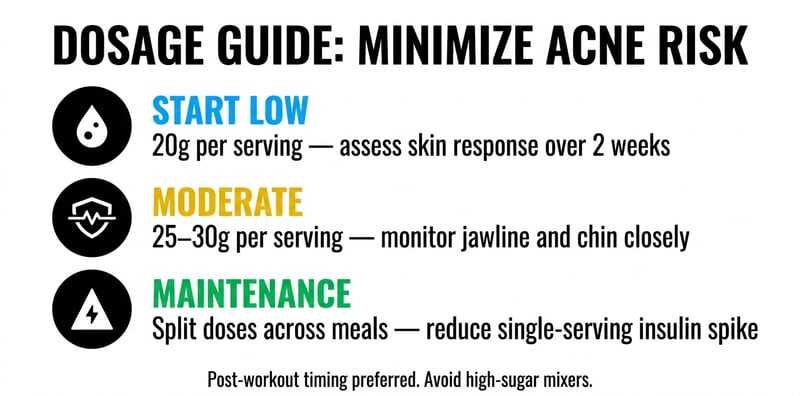
Before you eliminate whey entirely, adjust how and when you use it. These changes are often enough to meaningfully reduce breakouts for moderate reactors.
Time your whey post-workout. Consuming whey immediately after training, when insulin sensitivity is at its peak, reduces the severity of the insulin spike that drives sebum production. Your muscles are actively pulling glucose and amino acids from the bloodstream for repair, which means less hormonal excess circulating toward your skin. Taking whey on an empty stomach at other times of day tends to produce the sharpest insulin response.
Reduce your dose first. Before cutting whey out completely, halve your current serving size and observe your skin over two to three weeks. Many individuals find that their skin tolerates a smaller dose without triggering significant breakouts. This also helps you determine whether whey is genuinely the cause or whether another variable is responsible.
Run a proper elimination test. If dose reduction doesn't resolve the issue, a structured elimination protocol gives you a clear answer:
- Stop all whey protein completely for four weeks. Keep everything else in your diet and skincare routine constant.
- Document your skin's condition every few days with notes or photos.
- At week four, reintroduce whey at your normal dose for one week and observe.
- If breakouts return within 24 to 72 hours of reintroduction, whey is the confirmed trigger.
Cycle your protein sources strategically. If you want to keep some whey in your routine, use it on your heaviest training days when muscle protein synthesis demand is highest. Switch to plant-based protein on rest days and lighter sessions. This reduces your cumulative exposure to whey's hormonal load while preserving the performance benefits during the sessions that matter most.
On hydration: staying well-hydrated supports kidney function and overall skin cell turnover. General guidance recommends roughly 2 to 3 liters of water daily for active individuals, with additional intake on training days to account for sweat losses. Adequate hydration won't prevent whey-induced acne on its own, but it supports every other intervention you're making.
Step 4: Build a Skincare Routine for Protein-Related Breakouts
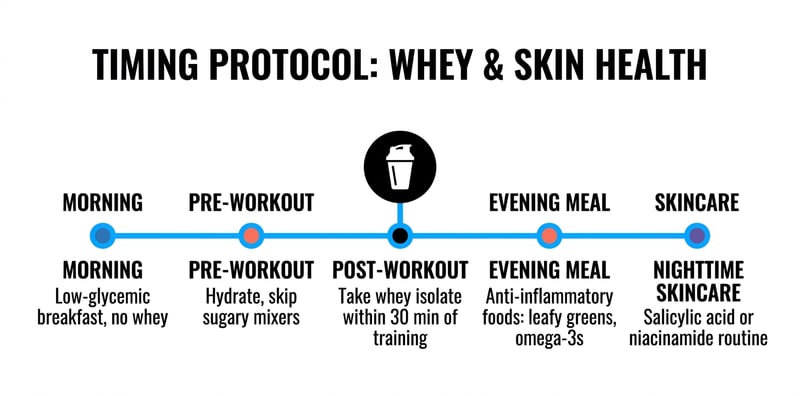
A targeted skincare routine won't undo the hormonal effects of whey protein, but it manages the skin-level consequences while your dietary changes take effect. Think of it as damage control, not a cure.
Morning routine:
- Cleanse with a gentle face wash containing 2% salicylic acid or 2.5% benzoyl peroxide. These ingredients penetrate oil-clogged pores, dissolve dead skin buildup, and reduce acne-causing bacteria without stripping the skin barrier.
- Follow with a lightweight, oil-free moisturizer. Look for formulas containing hyaluronic acid or glycerin — these hydrate without contributing to sebum overload.
- Apply a broad-spectrum SPF 30+ sunscreen. UV exposure worsens post-acne hyperpigmentation, and many active acne ingredients increase photosensitivity.
Evening routine:
- Double cleanse: start with an oil-based cleanser to dissolve sunscreen and environmental residue, follow with a water-based cleanser.
- Apply an active ingredient targeted to your specific breakout pattern. Retinoids (0.025% to 0.1%) regulate cell turnover and reduce comedone formation. Niacinamide (10%) controls sebum production and reduces inflammation. Azelaic acid addresses both active acne and the hyperpigmentation it leaves behind.
- Finish with a non-comedogenic moisturizer to support barrier repair overnight. Gel-cream hybrids with ceramides work well for acne-prone skin.
Spot treatments: For individual emerging blemishes, 2% to 5% benzoyl peroxide or sulfur-based spot treatments applied directly to the lesion reduce severity and duration. Apply after your active serum, before moisturizer.
Consistency matters more than product prestige. The ingredients listed above are well-established and available across price points. What won't work is expecting a skincare routine alone to clear whey-induced acne if you haven't addressed the upstream hormonal drivers causing it.
When to See a Dermatologist About Whey-Related Acne
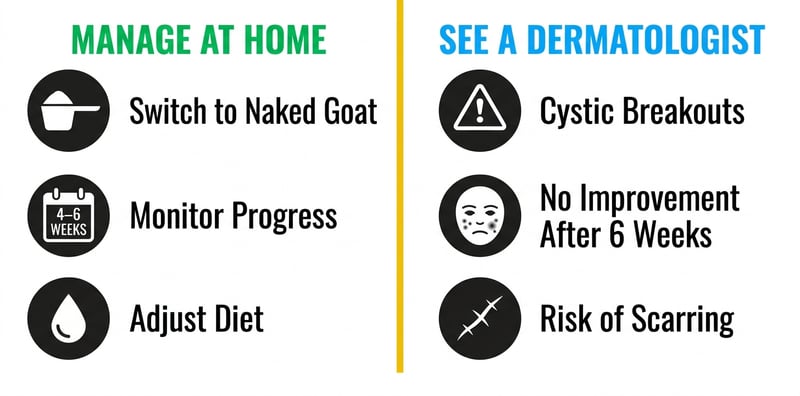
Most mild to moderate breakouts from whey protein respond to the interventions described above. Some don't, and recognizing when to escalate to professional care prevents permanent skin damage.
See a dermatologist if you experience any of the following:
- Severe or cystic breakouts: Painful, deep nodules that don't respond to OTC treatments indicate a significant hormonal response to whey's IGF-1 stimulation. Case reports documented by Simonart (2012) and Silverberg (2012) confirm moderate to severe acne flares in athletes using whey. Oral antibiotics, isotretinoin, or hormonal therapies may be necessary at this severity level.
- Breakouts that persist 4 to 6 weeks after eliminating whey: Continued acne after full elimination suggests multiple contributing factors — underlying hormonal imbalances, other dietary triggers, or a separate skin condition requiring a different diagnosis altogether. A dermatologist can order hormone panels and build a comprehensive treatment plan.
- Scarring or hyperpigmentation: Once structural damage to the skin has occurred, professional intervention becomes necessary. Chemical peels, laser therapy, and microneedling address existing textural damage and discoloration that OTC products cannot correct.
- Complex reactions combining acne with redness, itching, or rash: This combination may indicate a whey protein allergy rather than, or in addition to, hormonal acne. These conditions require different treatments and can't be reliably distinguished through self-diagnosis.
When you do see a dermatologist, be specific about your supplement use. Tell them exactly which protein products you use, the dose, how long you've been using them, and when the breakouts started relative to beginning supplementation. Research confirms that disclosing supplement use improves the accuracy of diagnosis and treatment selection (Baldwin & Tan, 2020). Most dermatologists won't ask unless prompted — bring it up yourself.
If you've eliminated whey, adjusted your diet, built a consistent skincare routine, and still have active acne after six weeks, a dermatologist isn't a last resort. It's the right next step.
Frequently Asked Questions
Does whey protein actually cause acne?
Whey protein can trigger or worsen acne in people who are prone to it, but it doesn't cause breakouts in everyone. It raises insulin-like growth factor 1 (IGF-1) and insulin levels, both of which stimulate excess sebum production and skin cell turnover — two key drivers of acne. If your skin was clear before starting whey and broke out after, the connection is worth taking seriously.
Why does whey protein affect acne more than other protein sources?
Whey is a fast-digesting dairy-derived protein with a high insulinogenic effect, meaning it spikes insulin more sharply than plant-based proteins like pea or rice protein. Dairy proteins also contain bioactive hormones and growth factors that can influence your skin's oil glands. Other protein sources simply don't carry the same hormonal signaling load.
How long does it take to see if whey protein is causing my breakouts?
Eliminate whey completely for at least four to six weeks before drawing any conclusions. Acne has a longer feedback loop than most people expect — existing blemishes take weeks to resolve, and new ones can lag two to four weeks behind their trigger. Keep everything else in your diet and skincare routine constant so you're actually isolating the variable.
Will switching to a plant-based protein powder clear my skin?
For many people who experience whey-related acne, switching to a plant-based protein like pea or brown rice protein does reduce breakouts noticeably. Plant proteins have a lower insulinogenic index and don't carry dairy-specific hormones. Results vary depending on your individual hormone sensitivity and overall diet, so it's not a guaranteed fix, but it's the most logical first swap to try.
Does the type of whey protein — concentrate, isolate, or hydrolysate — make a difference for acne?
Whey isolate has most of the lactose removed and a slightly cleaner ingredient profile, which helps some people with lactose-related skin irritation. However, all three forms still raise IGF-1 and insulin, so the acne-triggering mechanism isn't eliminated just by switching form. If standard whey concentrate is breaking you out, don't expect isolate alone to solve it.
Can reducing my whey protein serving size help prevent breakouts?
Lowering your dose can reduce the hormonal spike associated with whey, and some people find that one smaller serving per day doesn't affect their skin the way two larger ones do. It comes down to individual threshold — there's no universal "safe" amount. Track your intake and your skin's response together to find out where your personal tipping point is.
Are there any dietary changes that can help prevent whey-related acne without giving up whey entirely?
Reducing your overall intake of high-glycemic foods — refined carbs, sugary drinks, processed snacks — can blunt the insulin response that makes whey more acne-promoting. A low-glycemic diet has been shown in clinical research, including a 2007 study by Smith et al. in the American Journal of Clinical Nutrition, to reduce acne lesion counts meaningfully. Pairing whey with fiber and fat rather than simple carbs also slows absorption and moderates the insulin spike.
Is Naked Whey a better option for acne-prone skin compared to other whey products?
Naked Whey contains one ingredient: grass-fed whey protein concentrate, with no artificial sweeteners, flavors, or additives that could independently irritate skin or trigger inflammation. Many commercial whey products include artificial ingredients and added sugars that can compound the hormonal effects of whey itself. A cleaner formula removes unnecessary variables, which makes it easier to pinpoint whether whey protein itself is the issue for your skin.
Top Pea Protein Picks
Chosen by 1 million+ customers. Free shipping on orders over $100.
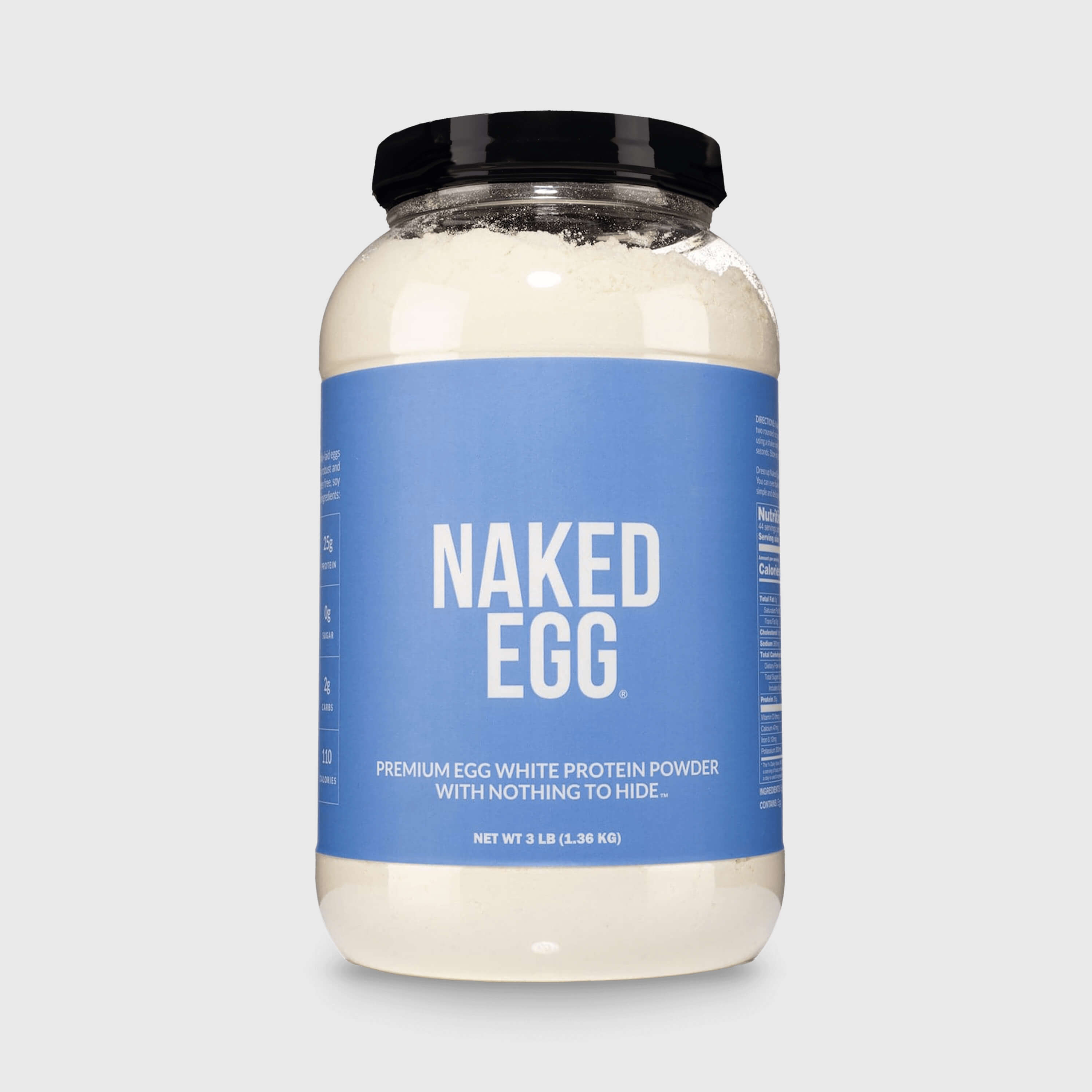
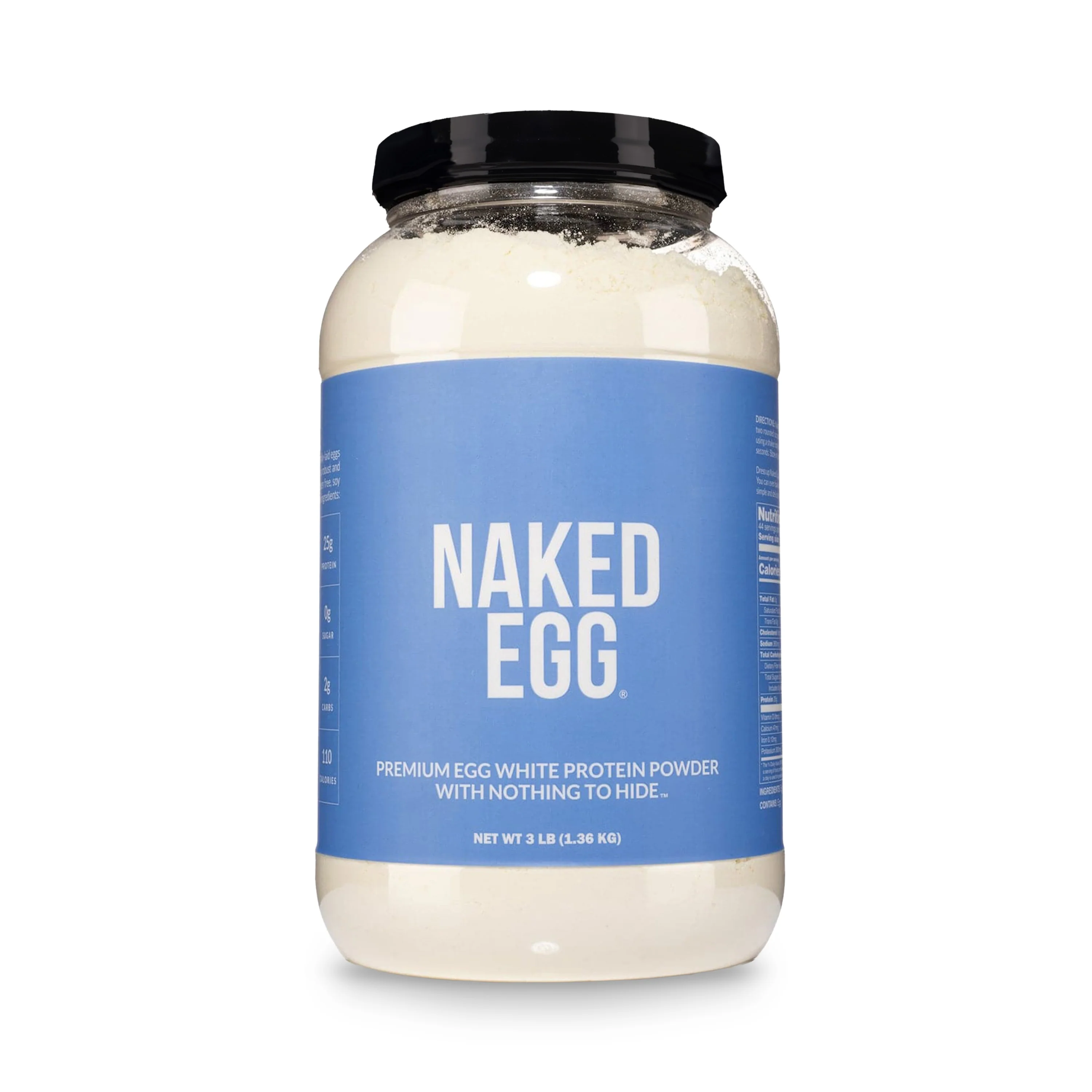
Egg White Protein Powder | Naked Egg - 3LB
$79.99
- ✓ From non-GMO eggs exclusively from US farms
- ✓ Processed from fresh eggs into powder in under one day to retain a complete amino acid profile
- ✓ 25g of protein and 5.8g of BCAA's per serving
- ✓ Zero sugar
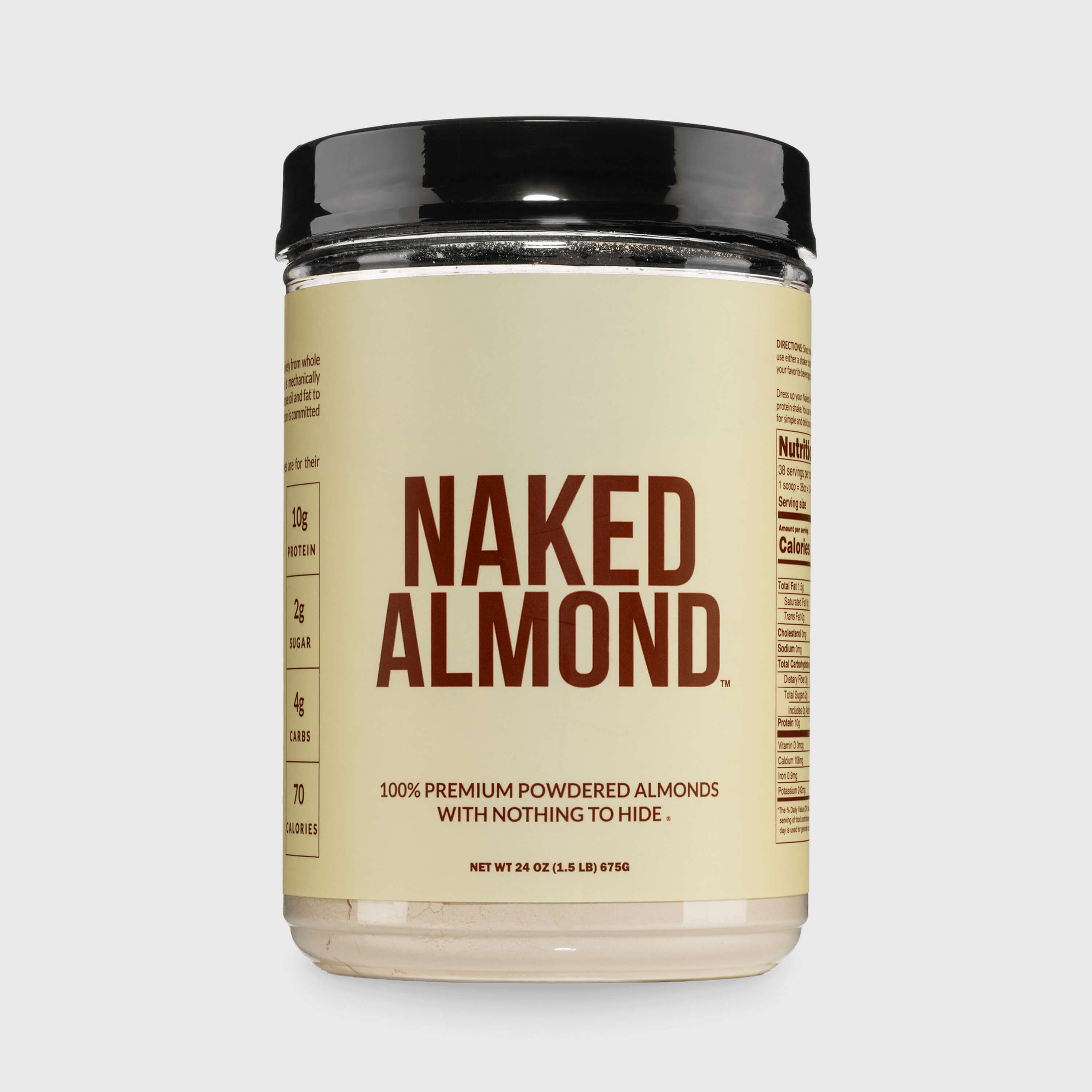
Powdered Almonds | Naked Almond - 1.5LB
$29.99
- ✓ Active Lifestyle Support
- ✓ Manage a Healthy Weight
- ✓ Boost Flavor and Texture
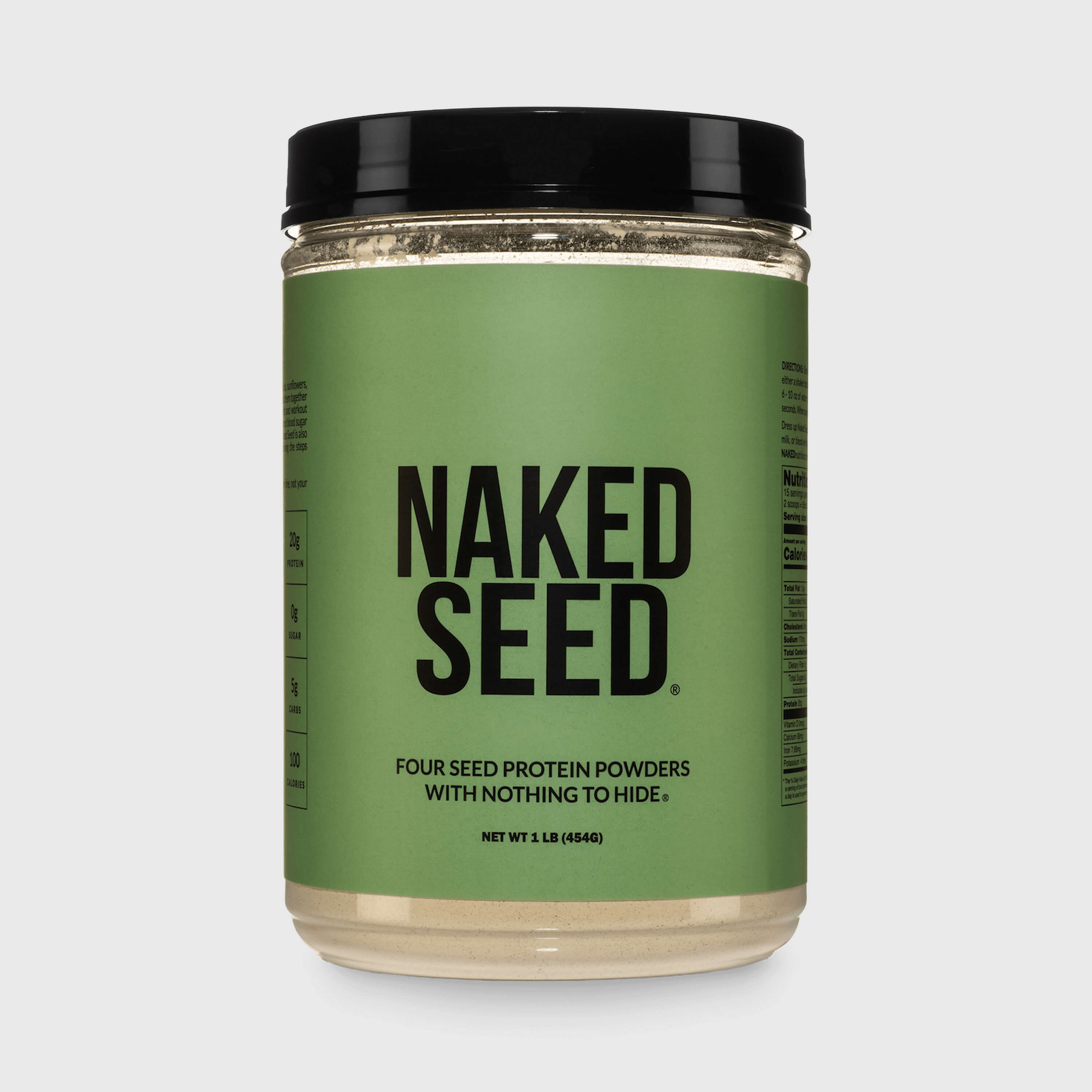
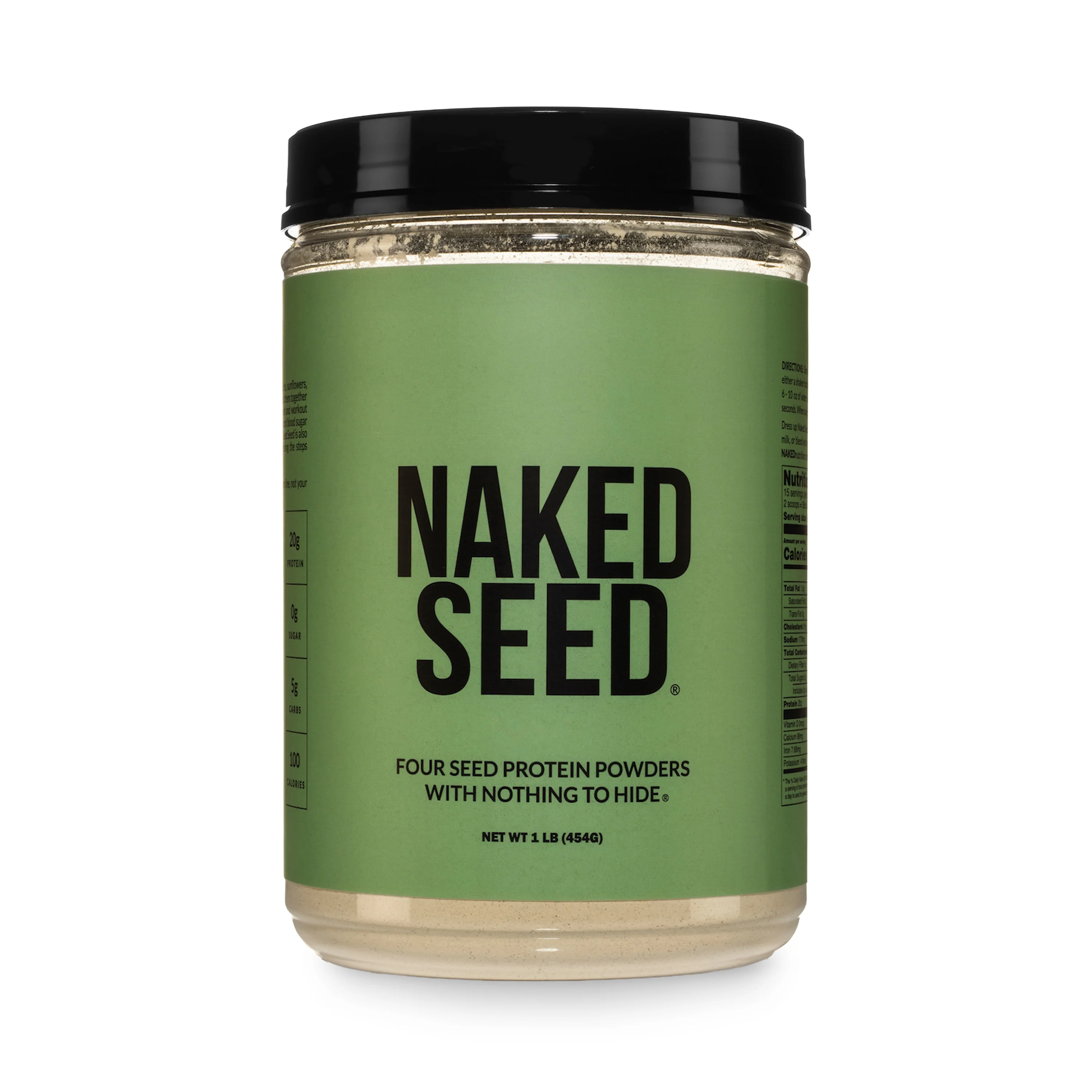
Seed Protein Powder | Naked Seed - 1LB
$34.99
- ✓ Seed only protein blend: organic pumpkins, sunflowers, watermelons, and organic chia
- ✓ High amino acid profile
- ✓ 20g of protein and 7.2g of amino acids per serving
- ✓ 0g of sugar
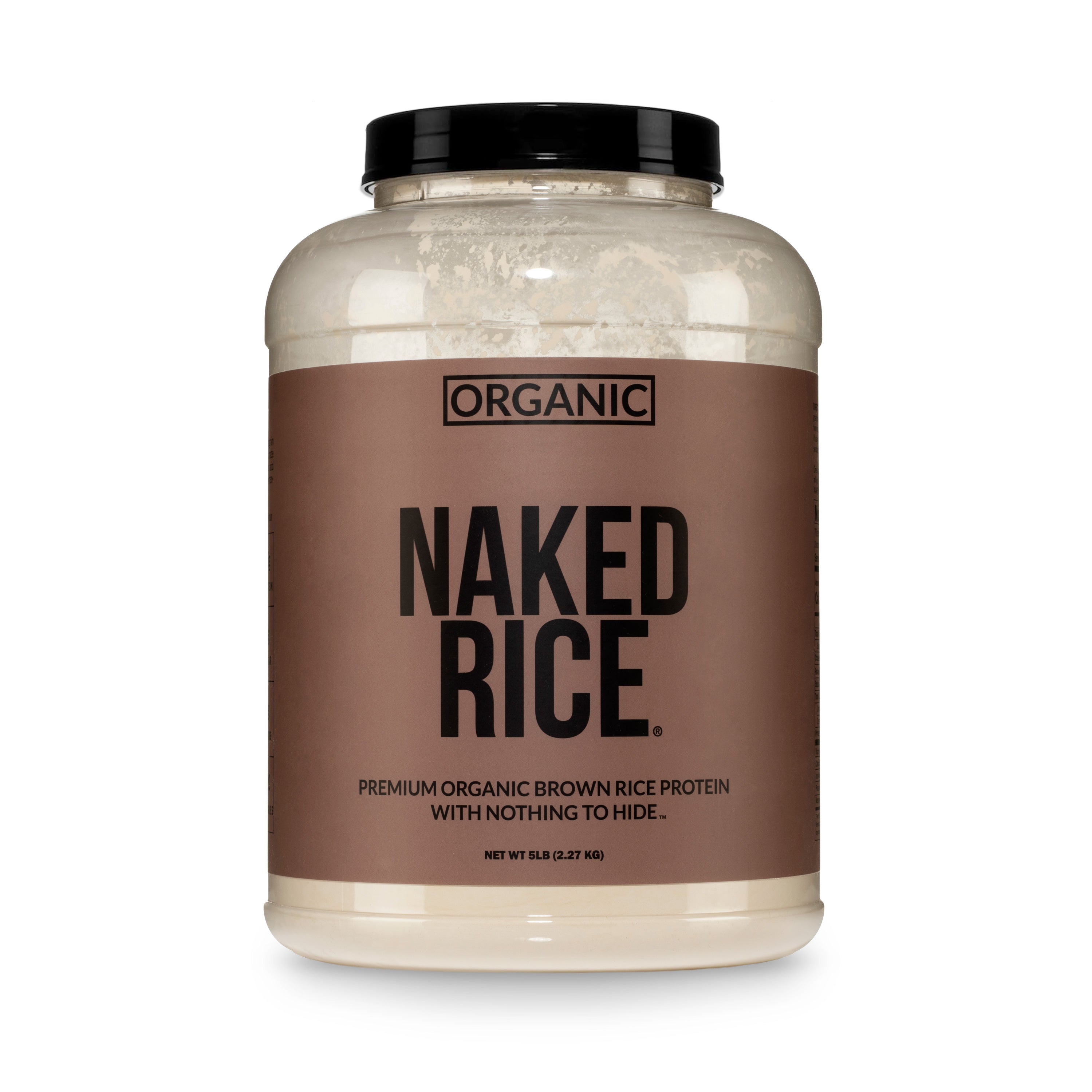
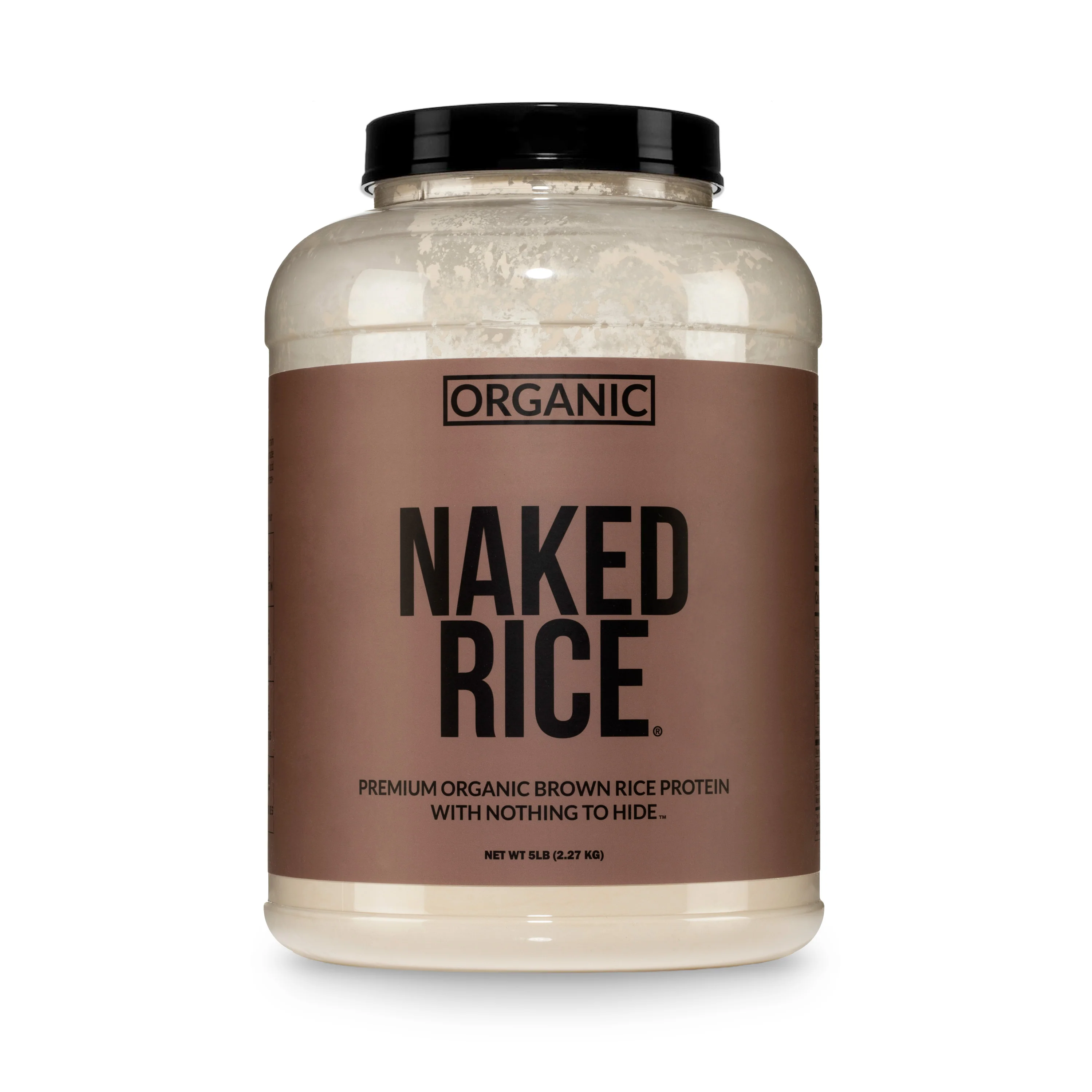
Organic Brown Rice Protein Powder - 5LB
$74.99
- ✓ Superior Amino Acid Profile
- ✓ Promote Muscle Gain
- ✓ Lose Weight
- ✓ Boost Protein Intake