

Key Takeaways
- Not a complete protein: Almond protein is low in lysine, which means it doesn't meet the threshold for a complete protein — but that doesn't disqualify it from a well-structured diet.
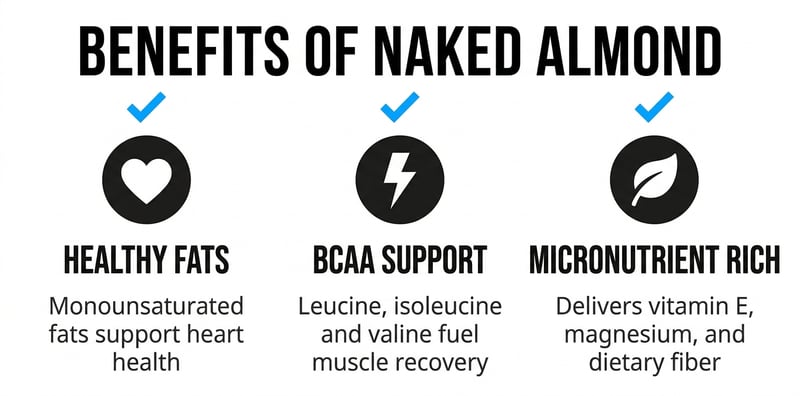
- BCAAs are present: Almond protein contains all three branched-chain amino acids (leucine, isoleucine, valine), which directly support muscle protein synthesis and recovery.
- Pair it to complete it: Combining almond protein with lysine-rich foods like lentils, chickpeas, or pea protein fills the amino acid gap and creates a complete profile.
- More than just protein: Almonds deliver meaningful amounts of vitamin E, magnesium, fiber, and healthy monounsaturated fats alongside their protein content.
- Best suited for: Vegans, vegetarians, those with dairy intolerances, and plant-based athletes looking for a minimally processed protein source with micronutrient benefits.
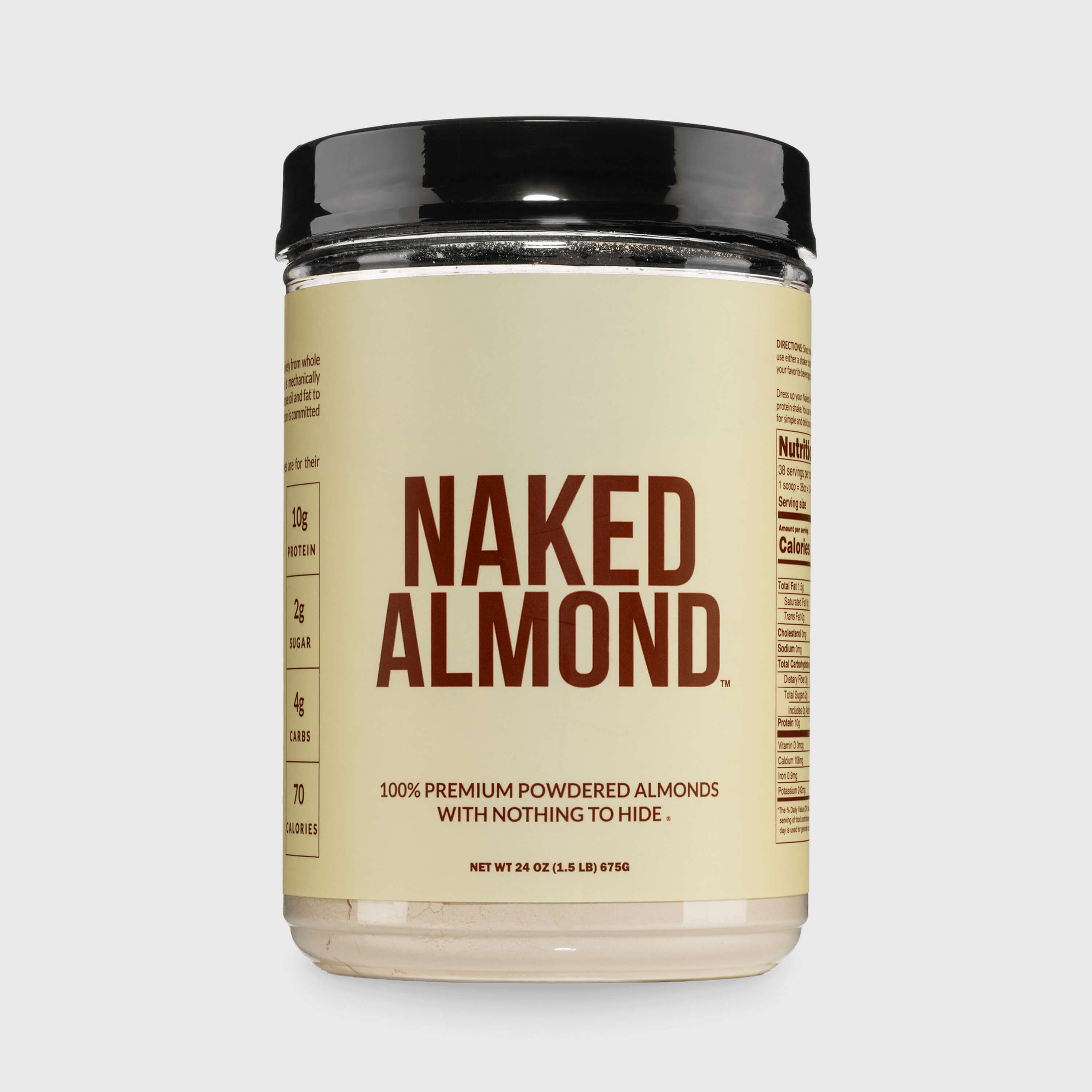
Powdered Almonds | Naked Almond - 1.5LB
- Active Lifestyle Support
- Manage a Healthy Weight
- Boost Flavor and Texture
Is Almond Protein a Complete Protein? The Short Answer
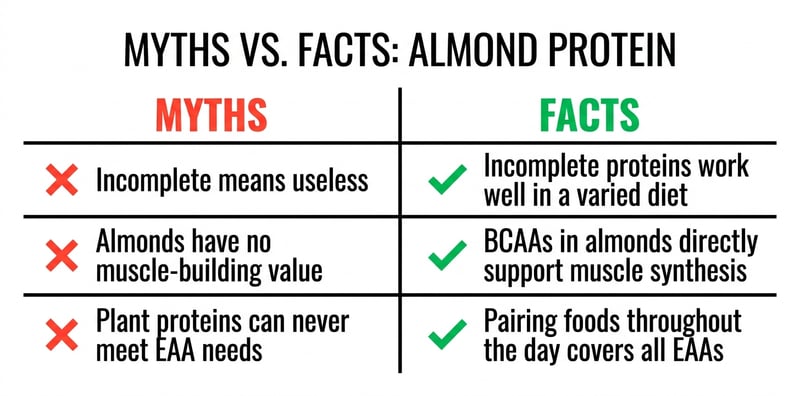
No, almond protein is not a complete protein. Like most plant-based protein sources, almonds are deficient in lysine — one of the nine essential amino acids your body cannot produce on its own. Without adequate lysine, a protein source fails to meet the definition of "complete," regardless of how much total protein it provides.
Lysine does more than just fill a checklist. It plays a direct role in tissue repair, calcium absorption, and the production of carnitine, a compound your body uses to convert fatty acids into usable energy. A consistent shortfall in lysine has real downstream consequences, which is why the deficiency matters.
That said, calling almond protein "incomplete" is not the same as calling it useless. It's a legitimate, nutrient-dense protein source that works well as part of a broader diet strategy. The rest of this article breaks down exactly what's in almond protein, how to pair it to cover the lysine gap, and who stands to benefit most from using it.
Complete vs. Incomplete Proteins: What You Need to Know
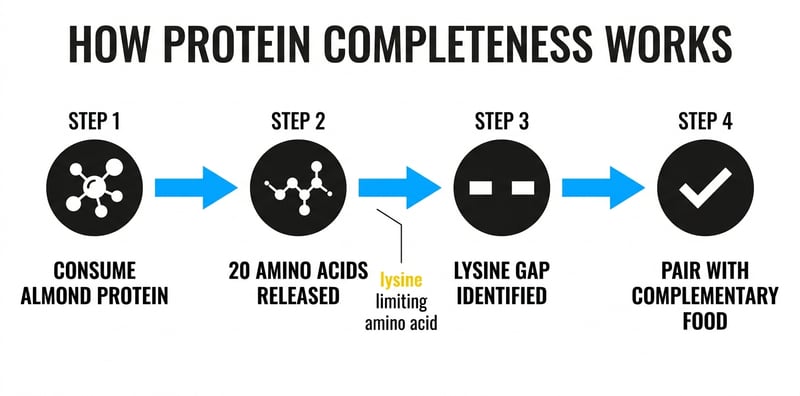
Proteins are built from amino acids — 20 in total, of which 11 your body can synthesize on its own. The remaining nine are called essential amino acids (EAAs) because you must get them from food. These nine are: histidine, isoleucine, leucine , lysine, methionine, phenylalanine, threonine, tryptophan, and valine.
A protein source qualifies as "complete" when it provides all nine EAAs in amounts sufficient to support the body's functions. Animal-based foods — meat, fish, eggs, dairy — are typically complete proteins. Most plant proteins, including almonds, hemp (a notable exception), and most grains and legumes, are deficient in at least one EAA.
- PDCAAS (Protein Digestibility-Corrected Amino Acid Score): Measures a protein's amino acid completeness relative to human needs, adjusted for digestibility. Maximum score is 1.0.
- DIAAS (Digestible Indispensable Amino Acid Score): A newer, more precise method that accounts for absorption at the small intestine level. Considered more accurate than PDCAAS.
- Almonds score modestly on both scales — their protein is digestible, but the lysine shortfall caps their rating below complete protein benchmarks.
- "Incomplete" doesn't mean "ineffective." When combined strategically with complementary protein sources, incomplete proteins can meet or exceed full EAA requirements across a day's eating.
The practical takeaway: the complete vs. incomplete label tells you about a single food in isolation. It says nothing about what your overall diet delivers. Plant-based eaters have been meeting their amino acid needs through food variety for centuries.
Almond Protein Nutrition: What's Actually in It?
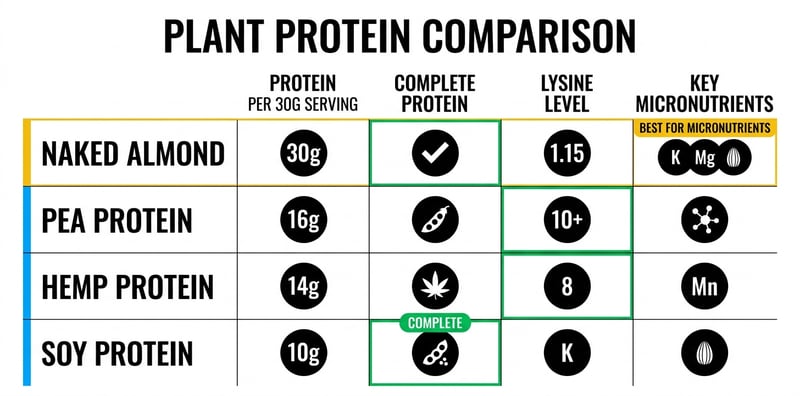
A typical serving of almond protein powder (approximately 30g) delivers around 20 grams of protein, with roughly 150 calories, 6–8 grams of fat (predominantly heart-healthy monounsaturated fats), and 3–4 grams of fiber. That fiber and fat content sets it apart from whey or casein — it's a more nutritionally layered protein source, not just a protein delivery vehicle.
On the amino acid side, almond protein provides all three BCAAs in meaningful quantities. A standard serving contains approximately 1,500–1,700 mg of leucine, 700–800 mg of isoleucine, and 900–1,000 mg of valine. Leucine, the primary trigger for muscle protein synthesis, is present at useful levels. The problem is lysine: almond protein typically delivers only 500–600 mg per serving, well below the recommended intake threshold relative to total protein consumed.
📊 What Research Says
Research published in the Journal of Nutrition confirms that leucine acts as the primary signal for initiating muscle protein synthesis — functioning almost like a metabolic trigger that activates the mTOR pathway. Almond protein's leucine content is sufficient to contribute to this process, which is why it holds real value for muscle support even without complete protein status.
Beyond protein, almonds are one of the richest food sources of vitamin E, an antioxidant that supports immune function and helps manage exercise-induced oxidative stress. They also provide magnesium, which is involved in over 300 enzymatic reactions including muscle contraction and energy production. Almond protein powder concentrates these micronutrients alongside the protein, making it genuinely more nutritious than many competing protein sources on a nutrient-per-calorie basis.
Whole almonds and almond protein powder aren't interchangeable. The powder is processed to remove most of the fat and concentrate the protein content, which means you get more protein per serving but lose some of the whole-food fat and satiety benefits. Both have their place depending on your goals.
How to Make Almond Protein Complete
The fix for almond protein's lysine gap is straightforward: pair it with lysine-rich foods. This is the concept of complementary proteins — combining two incomplete sources so their amino acid profiles fill each other's deficits. You don't need to engineer every meal around this principle, but building it into your daily eating pattern matters.
Foods high in lysine that pair well with almond protein include:
- Lentils: One of the best plant-based lysine sources, with roughly 1,200–1,300 mg per cooked cup.
- Chickpeas and black beans: Versatile, affordable, and high in lysine relative to their overall amino acid profile.
- Quinoa: One of the rare plant foods that is itself a complete protein — an excellent complement to almond-based meals.
- Pea protein: A higher-lysine plant protein that blends seamlessly with almond protein powder in shakes and smoothies.
Practical combinations are easier than they sound. An almond protein smoothie blended with a scoop of pea protein covers the lysine gap cleanly. Almond butter stirred into a lentil soup or chickpea curry turns a snack or side dish into a complementary protein meal. Almond protein pancakes made with a legume-based flour like chickpea flour work on the same principle.
You don't need to eat complementary proteins in the same meal. Research has confirmed that what matters is your total amino acid intake across the day — not precise meal-by-meal pairing. Eat a variety of plant proteins throughout the day and you'll cover your bases.
Naked Nutrition's almond protein powder works well as a base ingredient for these combinations precisely because it's minimal-ingredient and unflavored enough to blend with other protein sources without flavor conflicts. Use it as a foundation, not a standalone.
Is Almond Protein Good for Muscle Growth and Recovery?
Muscle protein synthesis (MPS) — the process by which your body builds new muscle tissue — requires a steady supply of essential amino acids, particularly leucine. Without sufficient EAAs arriving at muscle tissue post-exercise, the repair and growth signal gets blunted. This is why protein quality and quantity both matter for anyone training seriously.
Almond protein holds its own here better than its "incomplete" label suggests. It contains all three BCAAs, and its leucine content is enough to contribute meaningfully to MPS when it's part of a broader protein intake. Research has established that leucine functions as the key anabolic trigger in muscle tissue, and almond protein delivers it. The limitation is that without complementary lysine sources, the full MPS response is constrained.
When paired with a lysine-rich protein source — a pea protein blend, a legume-based meal, or even quinoa — almond protein becomes a legitimate contributor to muscle recovery. For plant-based athletes managing post-workout nutrition, a shake combining almond and pea protein provides a more complete EAA profile than either alone.
Practical use cases for muscle support include:
- Post-workout smoothies blended with pea protein, banana, and almond protein powder
- Overnight oats with almond protein mixed in and lentils or legume-based toppings at lunch
- Protein-boosted baked goods (pancakes, muffins) made with almond protein and chickpea flour
For plant-based athletes or those avoiding dairy and whey, almond protein is a solid, digestible alternative that delivers real muscle-supporting nutrients without the bloating or digestive issues some people experience with whey.
Who Should Consider Almond Protein Powder?
Almond protein powder isn't the right tool for everyone, but for certain groups it's a better fit than most of the alternatives on the market.
It's a strong match for:
- Vegans and vegetarians who need to diversify their plant protein sources beyond soy and pea.
- People with lactose intolerance or dairy allergies who can't tolerate whey or casein without digestive consequences.
- Anyone seeking micronutrient value alongside protein — the vitamin E and magnesium content gives almond protein a nutritional depth that isolated protein powders don't match.
- Plant-based athletes supplementing a varied diet with multiple complementary protein sources.
- Those who prioritize minimal processing and ingredient transparency — almond protein in its cleanest form is just almonds, nothing else.
There are also situations where almond protein isn't the right call:
- Tree nut allergies: Almonds are a tree nut. If you have a tree nut allergy, this is an obvious hard stop.
- Anyone relying on it as their sole protein source: Without complementary lysine-rich foods, using almond protein in isolation won't meet full EAA requirements over time. It needs to sit within a varied diet, not replace one.
Used correctly — as one component of a thoughtfully constructed diet — almond protein powder punches above its weight.
Naked Nutrition Almond Protein Powder
Most protein powders on the market solve one problem (protein grams per serving) while creating others: artificial sweeteners, unnecessary fillers, undisclosed proprietary blends. Naked Nutrition's almond protein powder is built on a different standard — a single ingredient, cold-processed to preserve nutritional integrity, with nothing added that doesn't need to be there.
- Approximately 20g of protein per serving
- Single ingredient: blanched almond flour — no artificial additives, no fillers
- Naturally contains vitamin E, magnesium, and healthy monounsaturated fats
- Dairy-free, gluten-free, and vegan-friendly
- Neutral flavor profile that mixes cleanly into smoothies, oatmeal, and baked goods
The minimal ingredient approach matters beyond marketing. When you're eating almond protein every day, you want to know exactly what you're consuming. No undisclosed additives, no artificial colors or sweeteners, no inflated serving-size tricks. What's on the label is what's in the bag.
It works well in a wide range of applications: blended into a post-workout smoothie with pea protein and frozen fruit, stirred into morning oatmeal, mixed into pancake batter, or used as a flour substitute in protein-boosted baking. The neutral taste means it doesn't fight with other ingredients — it just adds protein and nutrition to whatever you're already making.
For anyone building a plant-based nutrition stack, Naked Almond Protein is a clean, versatile foundation. Pair it with a lysine-rich protein source and you have a complete, whole-food-derived amino acid profile without relying on synthetic blends or heavily processed products.
Frequently Asked Questions
Is almond protein a complete protein?
No, almond protein is not a complete protein. It's low in lysine, one of the nine essential amino acids your body can't produce on its own, which means it doesn't meet the threshold to qualify as complete. You can easily fix this by pairing almonds with lysine-rich foods like legumes, dairy, or a complementary protein powder.
How much protein do almonds actually contain?
One ounce of almonds (about 23 nuts) delivers roughly 6 grams of protein. That's a solid contribution for a whole food snack, but it's not enough on its own to meet the 20 to 40 grams per meal that research consistently links to optimal muscle protein synthesis. Think of almonds as a protein supplement to your diet, not the foundation of it.
What essential amino acid is missing from almond protein?
Lysine is the primary limiting amino acid in almonds. Lysine plays a direct role in muscle repair, collagen synthesis, and calcium absorption, so a consistent shortage matters. If almonds are a major protein source in your diet, pairing them with lentils, chickpeas, or a whey or pea protein supplement will close the gap.
Can almond protein powder replace whey protein?
It depends on your goals and dietary needs. Whey is a complete protein with a higher leucine content, which makes it more effective at triggering muscle protein synthesis per gram. Almond protein powder works well as part of a varied protein strategy, particularly for people avoiding dairy, but it shouldn't be your sole post-workout protein source without pairing it with complementary amino acids.
Is almond protein a good option for vegans and plant-based eaters?
Yes, almond protein is naturally vegan and free from dairy, soy, and gluten, which makes it a useful option for people navigating multiple dietary restrictions. The catch is the same as for anyone else: it's incomplete, so plant-based eaters need to be intentional about combining it with other protein sources like pea, hemp, or rice protein. Getting this right consistently is what separates effective plant-based protein intake from chronic under-consumption of key amino acids.
Does almond protein offer any nutritional benefits beyond protein?
Almonds are one of the more nutrient-dense sources you can choose, delivering vitamin E, magnesium, healthy monounsaturated fats, and fiber alongside their protein content. Magnesium alone supports over 300 enzymatic reactions, including those involved in energy production and muscle function. These co-nutrients make almond protein a smarter choice than many isolated protein sources that offer protein and little else.
How does almond protein compare to other nut proteins?
Almonds are among the higher-protein nuts, sitting above cashews and walnuts on a per-ounce basis, though pumpkin seeds outperform most nuts with around 9 grams per ounce and a better amino acid profile. None of the common nut proteins qualify as complete on their own. If you're comparing nuts strictly for protein quality, pumpkin seeds and pistachios offer slightly better amino acid distribution than almonds.
Who should be cautious about relying on almond protein?
Anyone with a tree nut allergy should avoid almond protein entirely, as reactions can range from mild to severe. People with higher protein requirements, such as athletes, older adults managing muscle loss, or anyone in a caloric deficit, should be especially careful not to lean on almond protein as a primary source without tracking their full amino acid intake. For these groups, a complete protein, whether whey, casein, egg, or a blended plant-based formula, should anchor the diet.
Top General Nutrition Picks
Chosen by 1 million+ customers. Free shipping on orders over $100.
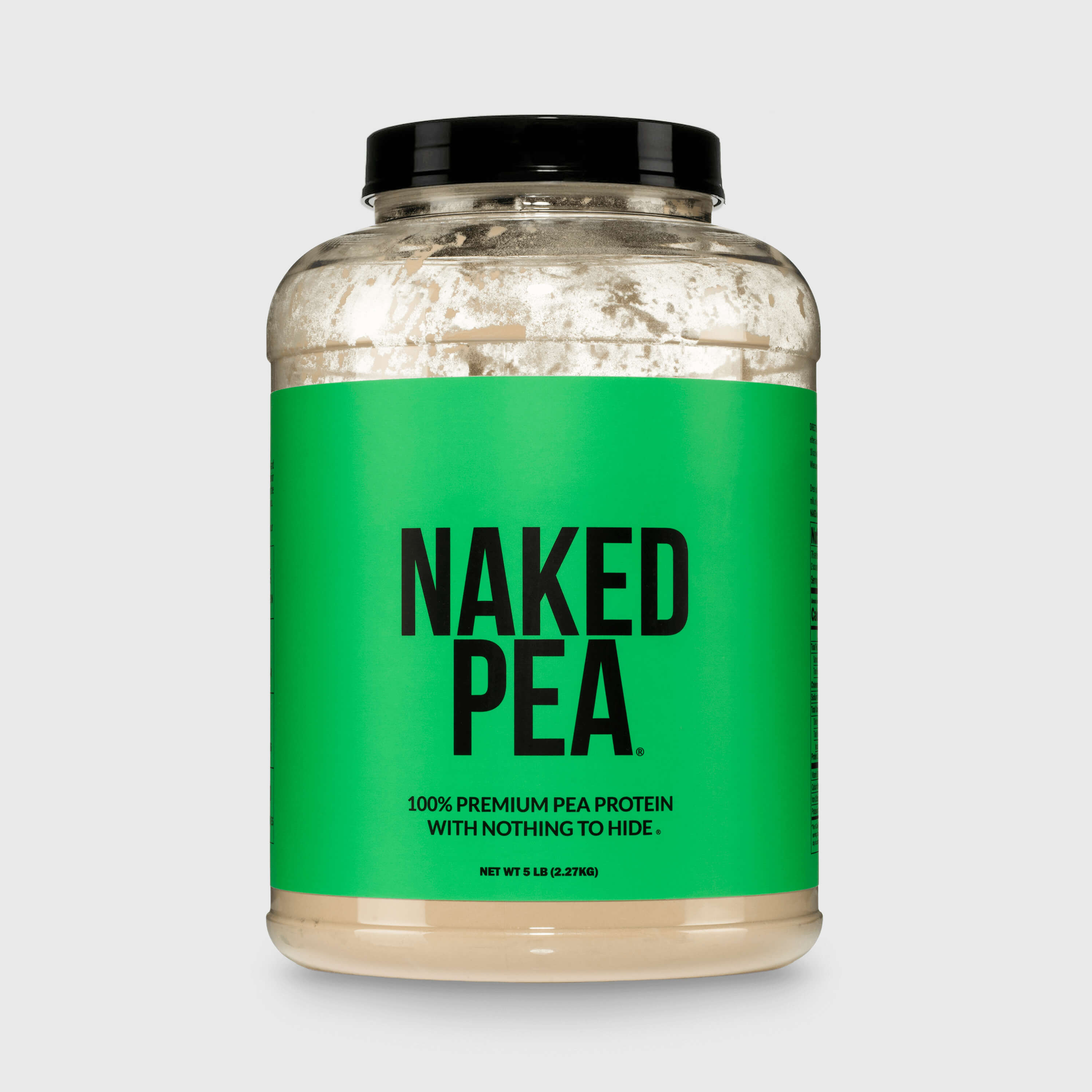
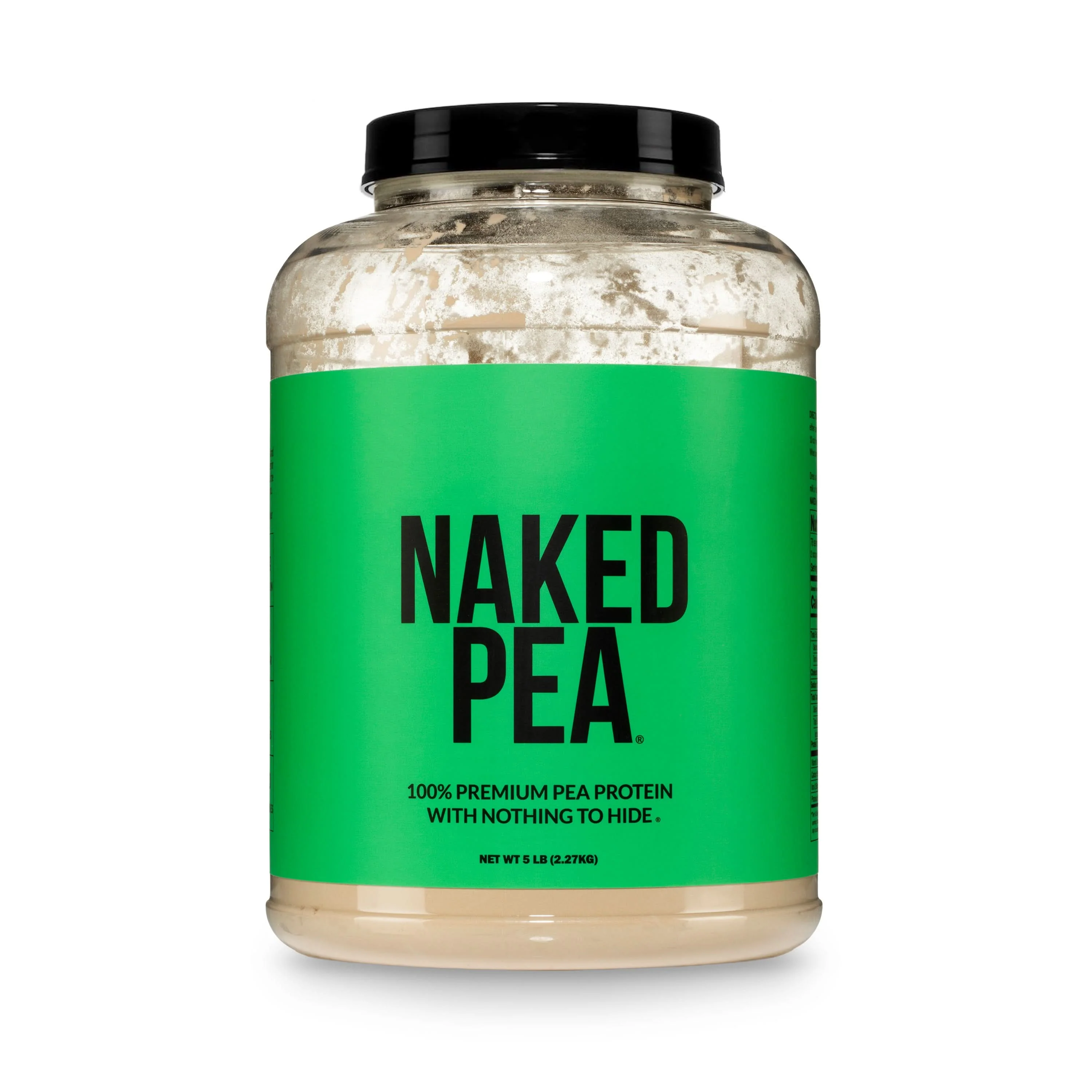
Pea Protein Powder | Naked Pea - 5LB
$57.99
- ✓ Sustainable Farming Practices
- ✓ Superior Amino Acid Profile
- ✓ Promote Muscle Gain
- ✓ Lose Weight
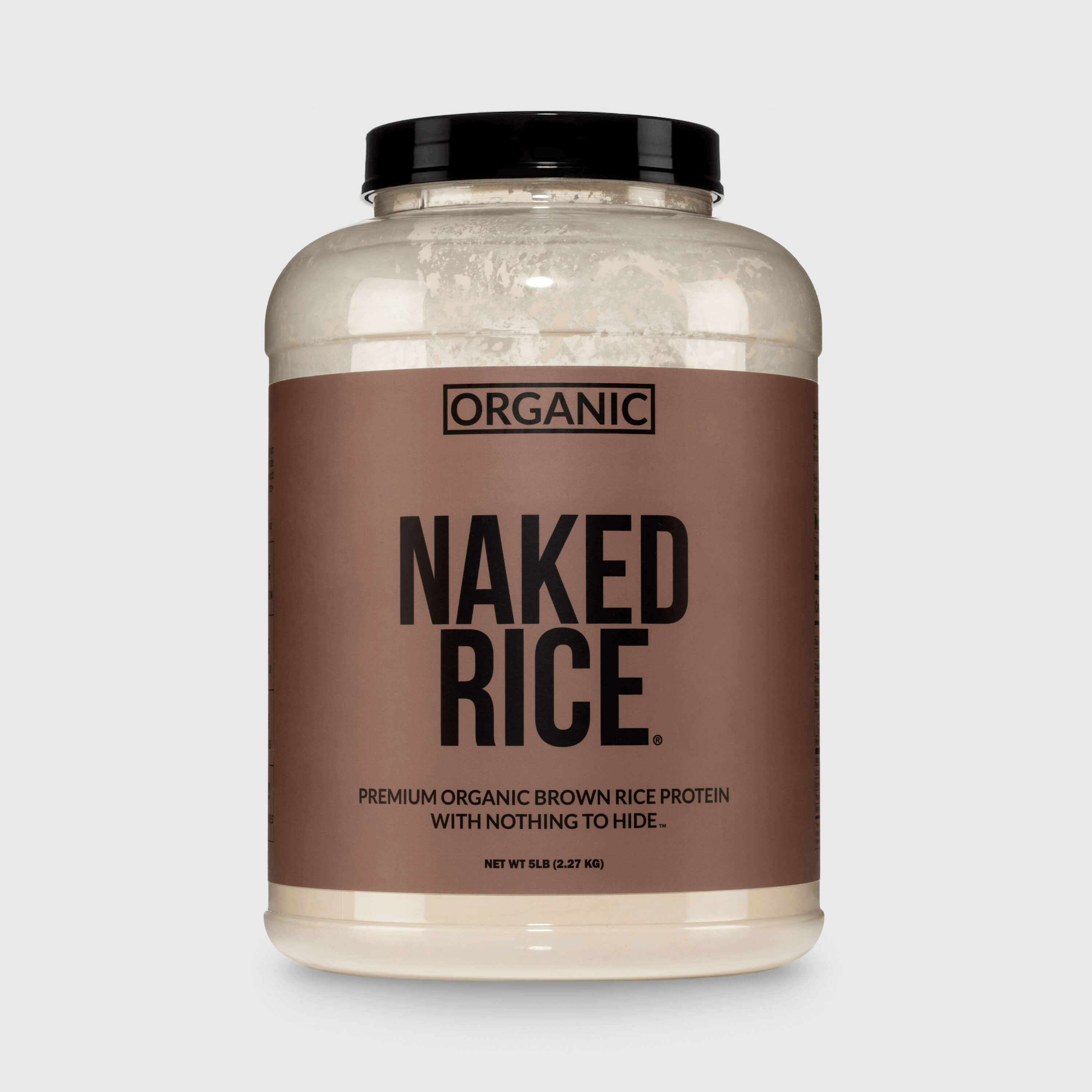
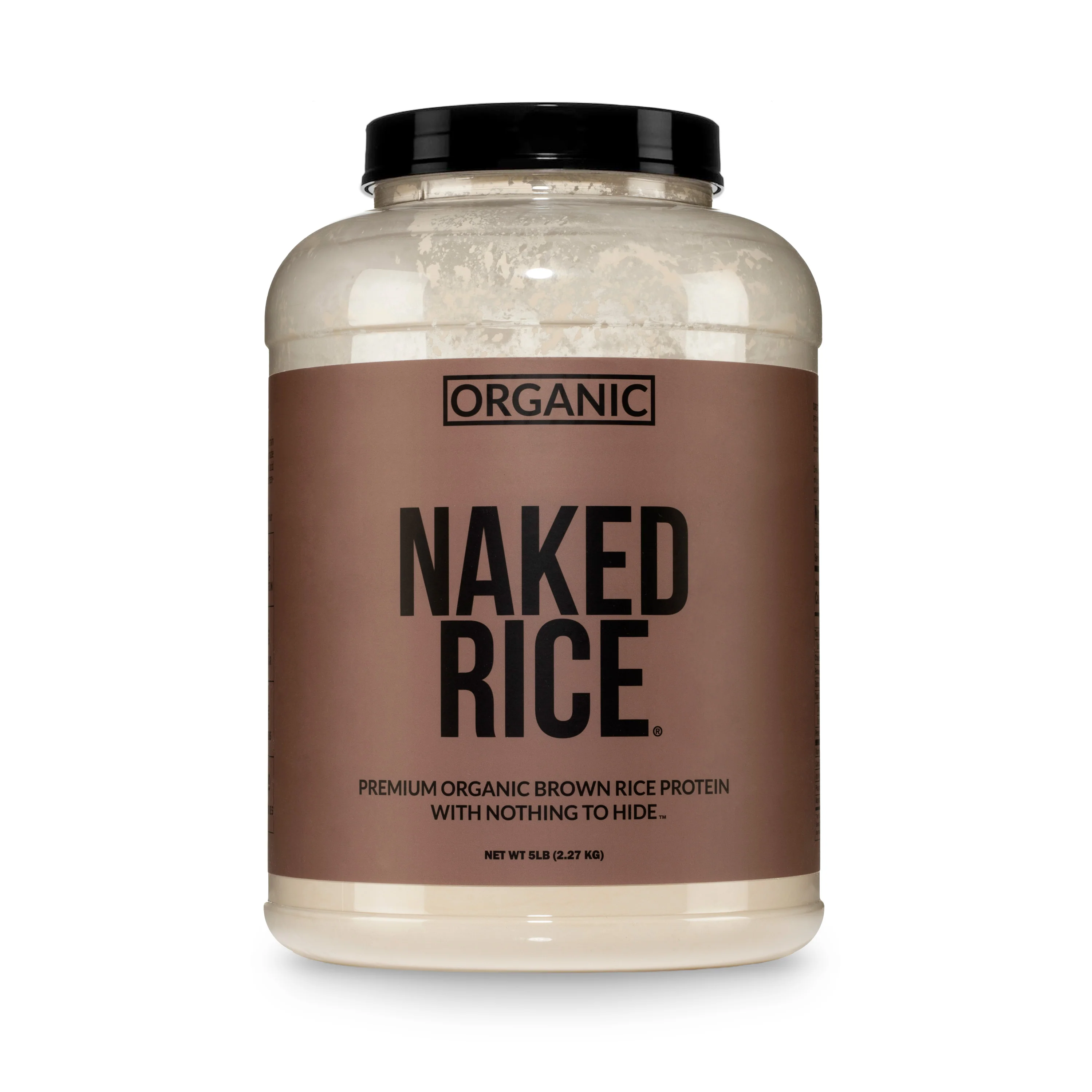
Organic Brown Rice Protein Powder | Naked Rice - 5lb
$74.99
- ✓ Superior Amino Acid Profile
- ✓ Promote Muscle Gain
- ✓ Lose Weight
- ✓ Boost Protein Intake
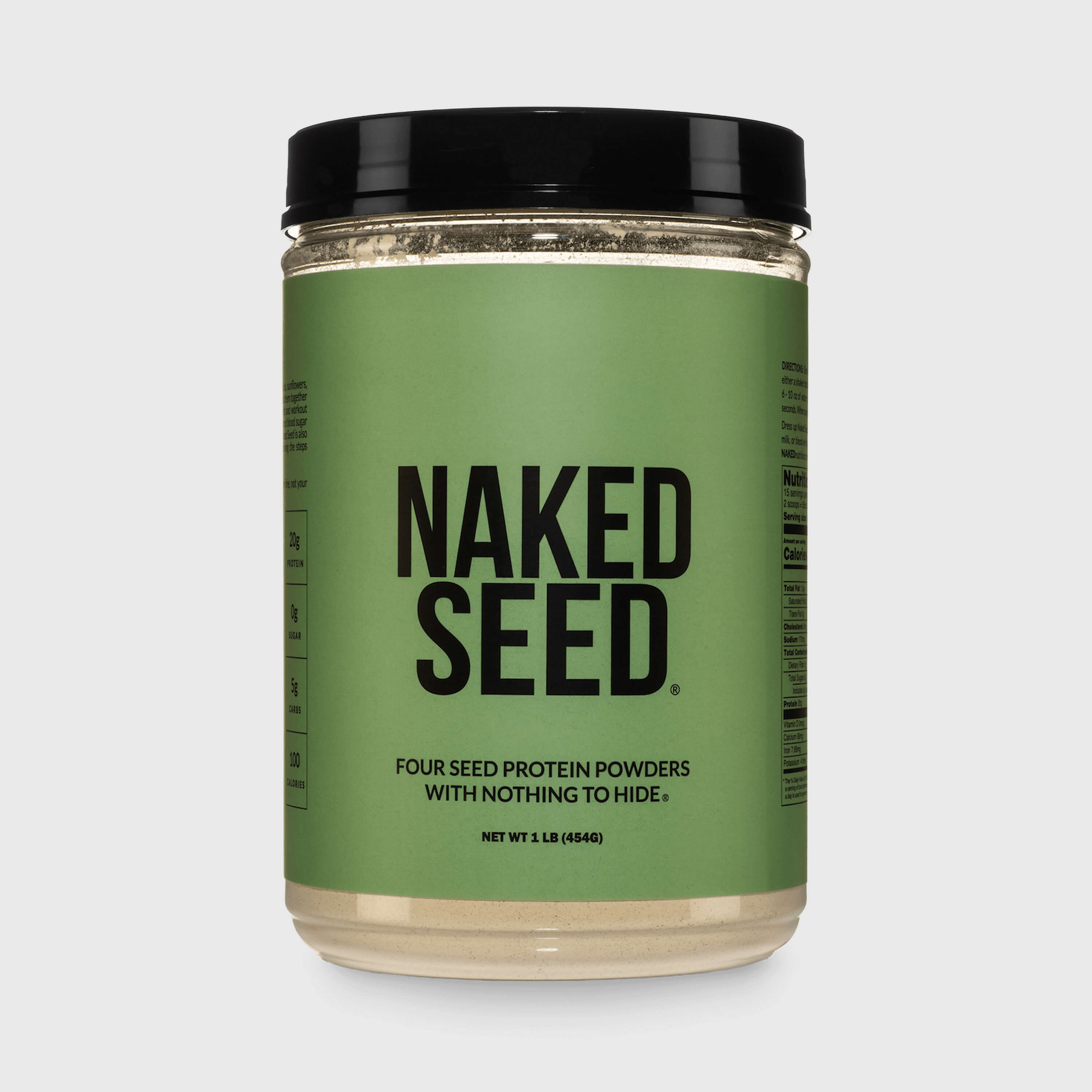
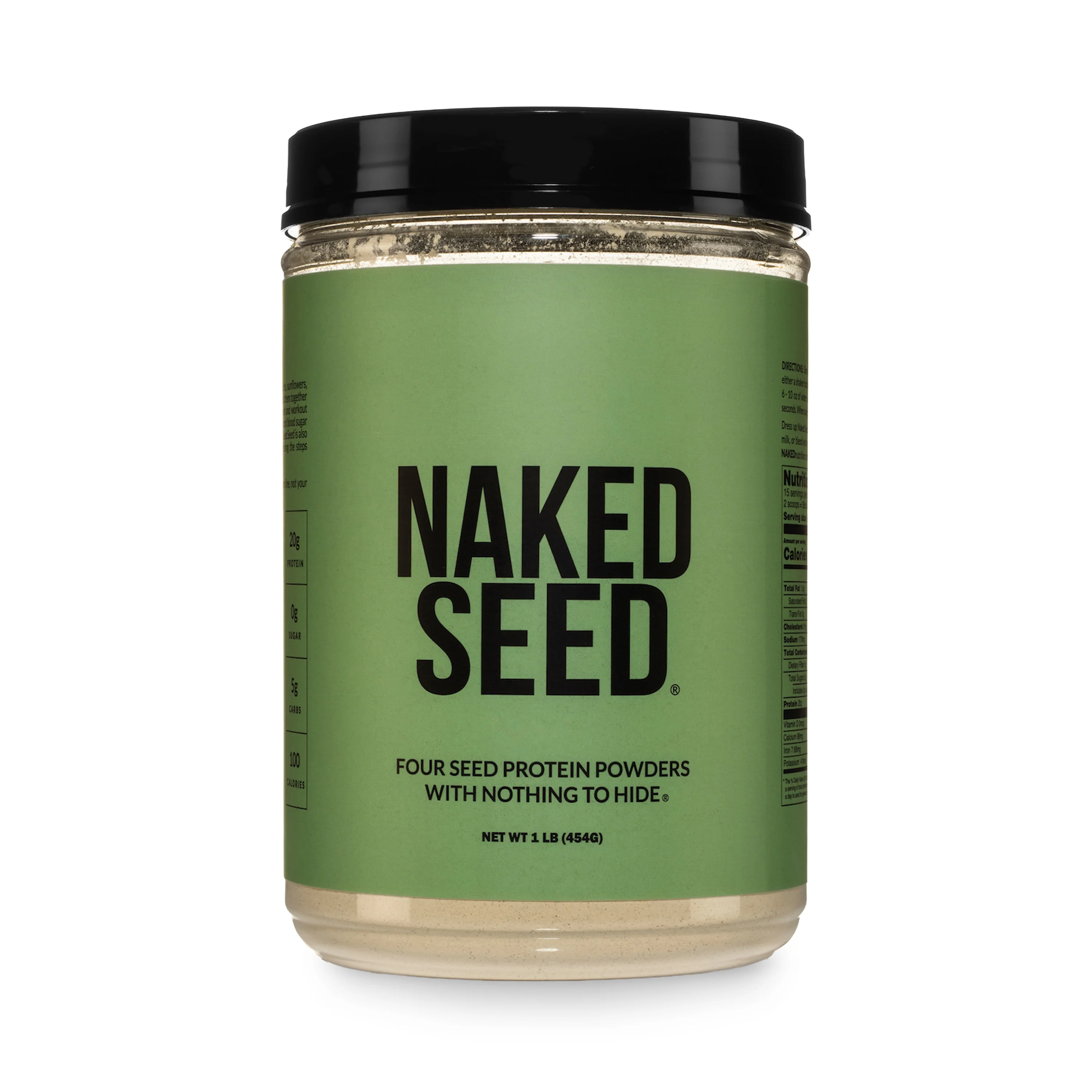
Seed Protein Powder | Naked Seed - 1LB
$34.99
- ✓ Seed only protein blend: organic pumpkins, sunflowers, watermelons, and organic chia
- ✓ High amino acid profile
- ✓ 20g of protein and 7.2g of amino acids per serving
- ✓ 0g of sugar
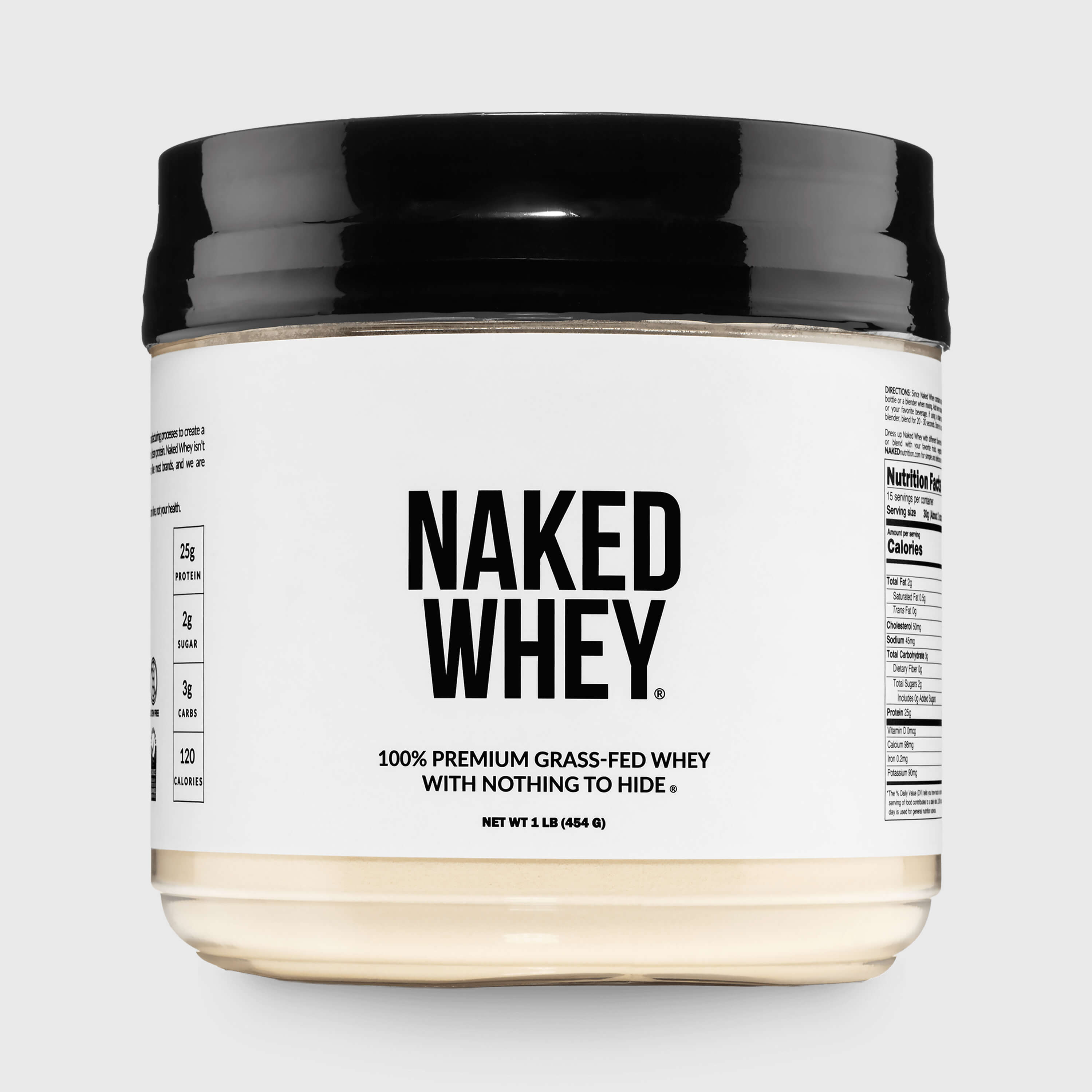
Grass Fed Whey Protein Powder | Naked Whey - 1LB
$37.99
- ✓ Build and Maintain Lean Muscle Mass
- ✓ Boost Immune System
- ✓ Lose Fat
- ✓ Improve Heart Health