






Key Takeaways
- What it is: Grains of Paradise are the seeds of Aframomum melegueta, a West African plant in the ginger family, now gaining attention as a dietary supplement ingredient.
- Active compounds: The benefits come from pungent compounds including 6-paradol, 6-gingerol, 6-shogaol, and 6-gingerdione, which drive its thermogenic and anti-inflammatory effects.
- Thermogenic mechanism: Grains of Paradise appears to activate brown adipose tissue (BAT), a calorie-burning fat type that generates heat, increasing resting energy expenditure.
- Human research exists: Two peer-reviewed studies show increased energy expenditure in healthy men and reduced visceral fat in non-obese women, though both used small sample sizes.
- Studied dose: Clinical research has used 10mg to 40mg of standardized extract daily. Look for products standardized to 12.5% 6-paradol.
- Safety profile: Grains of Paradise has GRAS status as a food spice. Mild GI discomfort is the most common side effect at supplemental doses. Avoid during pregnancy or breastfeeding.
- Not a standalone fix: Grains of Paradise works best alongside strength training, adequate protein intake, quality sleep, and stress management.
Cinnamon Roll Protein Oats | Naked Oats
- Gluten-free rolled oats + premium whey protein
- Minimally processed oats
- High protein, high fiber, and low sugar
- Supports lean muscle, steady energy, and optimal digestion
What Are Grains of Paradise? Origins, Flavor, and Traditional Uses
If you've never heard of Grains of Paradise, you're not alone. It's one of the more obscure spices to make its way into the supplement industry, but it has a long history that predates every modern fat burner on the market. Grains of Paradise are the seeds of Aframomum melegueta, a flowering plant native to the swampy coastal regions of West Africa and a close botanical relative of ginger.
The flavor is genuinely distinctive: warm and peppery upfront, with citrusy and floral undertones that remind most people of a cross between black pepper, cardamom, and ginger. West African cooks have used it for centuries as both a culinary spice and a digestive aid. During the Middle Ages, European traders valued it so highly it was used as a substitute for black pepper, which was far more expensive to import from Asia.
Traditionally, Grains of Paradise was applied to a range of health concerns. Practitioners used it for digestive support, to ease stomach discomfort, and as an anti-inflammatory remedy. Some traditional applications also addressed general wellness and appetite regulation. These uses align with what modern research is beginning to investigate, which is why it has attracted serious attention from nutrition scientists and supplement formulators over the past decade.
Today, Grains of Paradise is moving beyond the spice rack and into standardized supplement extracts. Its active compounds are being studied specifically for their metabolic effects, making it one of the more interesting functional ingredients to emerge from the world of traditional plant medicine.
Key Grains of Paradise Benefits Backed by Research
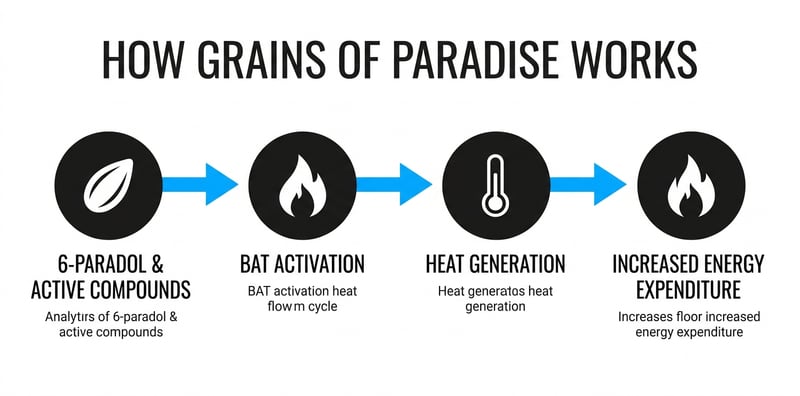
The health effects of Grains of Paradise trace back to four primary active compounds: 6-paradol, 6-gingerol, 6-shogaol, and 6-gingerdione. These pungent ketones and related phenolics are structurally similar to the bioactive components in ginger, which partly explains why Grains of Paradise shares some of ginger's well-documented health properties.
- BAT activation: Its active compounds stimulate brown adipose tissue, which burns calories by generating heat rather than storing energy.
- Anti-inflammatory action: 6-paradol and 6-gingerol inhibit inflammatory markers, similar to the mechanisms observed with ginger extract in preclinical research.
- Antioxidant activity: The same pungent compounds scavenge free radicals, reducing oxidative stress at the cellular level.
- Digestive support: Traditional use aligns with anecdotal and early research suggesting improved gastric motility and reduced GI discomfort.
The most researched benefit is thermogenesis via brown adipose tissue activation. Unlike white fat, which stores energy, brown fat actively burns calories to produce heat, a process called non-shivering thermogenesis. BAT is metabolically active tissue, and its activation increases total daily energy expenditure without requiring additional movement. This is the mechanism that makes Grains of Paradise genuinely interesting from a weight management standpoint.
Preliminary research also points to anti-inflammatory and antioxidant properties. Early animal and cell studies suggest the active compounds reduce pro-inflammatory cytokines and neutralize oxidative stress. Blood sugar regulation has also appeared as a potential benefit in preclinical models, though human data here is limited. Don't draw firm conclusions from those findings yet.
Grains of Paradise and Weight Management: What Does the Science Say?
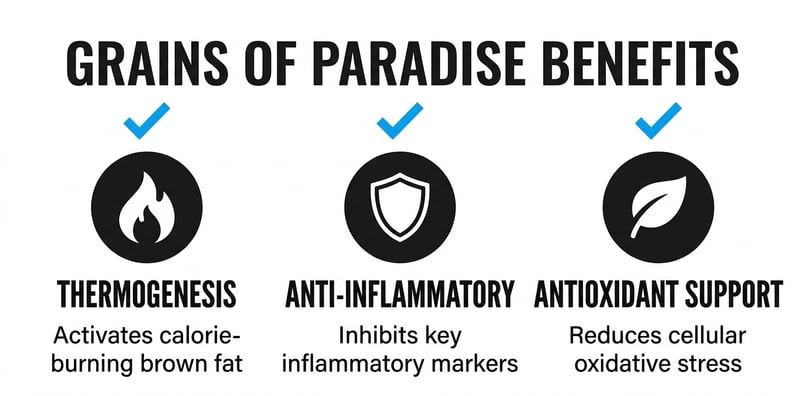
The weight management research on Grains of Paradise is small in volume but solid in quality. Two peer-reviewed studies provide the strongest human evidence available.
The first, published in the British Journal of Nutrition by Sugita et al. in 2013, examined healthy men who consumed a 10mg extract of Grains of Paradise. The results showed a measurable increase in whole-body energy expenditure and confirmed increased BAT activity using infrared thermography, a validated imaging method for detecting metabolic heat. Men with detectable BAT showed significantly greater energy expenditure responses than those without it, suggesting Grains of Paradise works in part by activating existing BAT reserves. [1]
📊 What Research Says
A 2014 study published in the Journal of Nutritional Science and Vitaminology found that non-obese women who took 30mg of Grains of Paradise extract daily for four weeks experienced a significant reduction in visceral fat area compared to the placebo group, with no changes to body weight overall. This suggests the effect may be site-specific, targeting metabolically active abdominal fat. [2]
Both studies deserve honest caveats. Sample sizes were small, study durations were short, and neither trial examined long-term outcomes. These are promising signals, not confirmed conclusions. Larger, longer randomized controlled trials are needed before Grains of Paradise can be positioned as a clinically proven weight loss tool.
What the mechanism does support is this: even a modest increase in resting energy expenditure, compounded daily over weeks and months, can meaningfully contribute to a caloric deficit. That's how the math works in favor of thermogenic supplements. Grains of Paradise isn't a shortcut. It's a complement to the work you're already doing.
How to Use Grains of Paradise: Dosage, Timing, and Supplement Forms
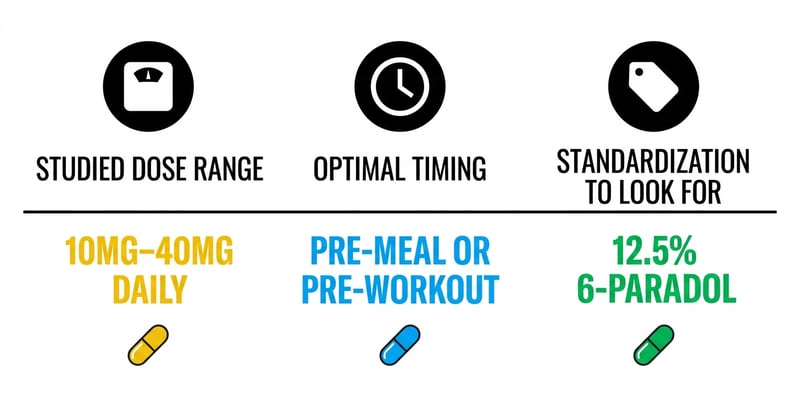
Clinical research on Grains of Paradise has used doses ranging from 10mg to 40mg of standardized extract per day. The 2013 study used 10mg and demonstrated measurable effects on energy expenditure, while the 2014 women's study used 30mg daily over four weeks. Most commercial supplements land in the 10mg to 40mg range, which aligns with the studied parameters.
When selecting a supplement, standardization matters. Look for products standardized to 12.5% 6-paradol. This ensures you're getting a consistent, concentrated dose of the most studied active compound rather than a whole-powder product with variable potency. Whole spice in cooking is fine for culinary purposes, but it won't deliver the extract concentrations used in research.
Grains of Paradise is available in several forms: standalone capsule supplements, as part of multi-ingredient fat-loss or pre-workout formulas, and as a whole or ground spice. For supplemental use, standardized capsule extracts are the most practical and reliable option.
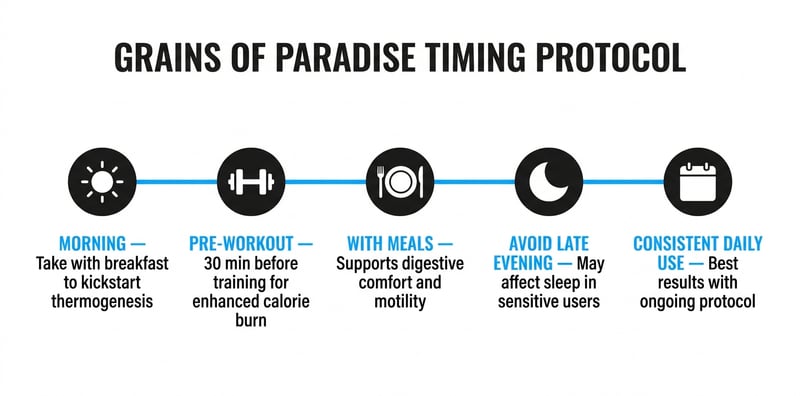
Timing guidance from the current research is limited, but general practice suggests taking it with a meal to minimize any GI sensitivity. Some athletes use it as part of a pre-workout stack to take advantage of the thermogenic effect during training. Either approach is reasonable.
On the label, prioritize: a standardized extract listed with the percentage of active compounds, third-party testing certification, and a short ingredient list free of artificial additives and unnecessary fillers. If a product buries the Grains of Paradise dose inside a proprietary blend without disclosing the amount, skip it. Transparency on the label reflects transparency in the product.
Are There Any Side Effects or Safety Concerns?
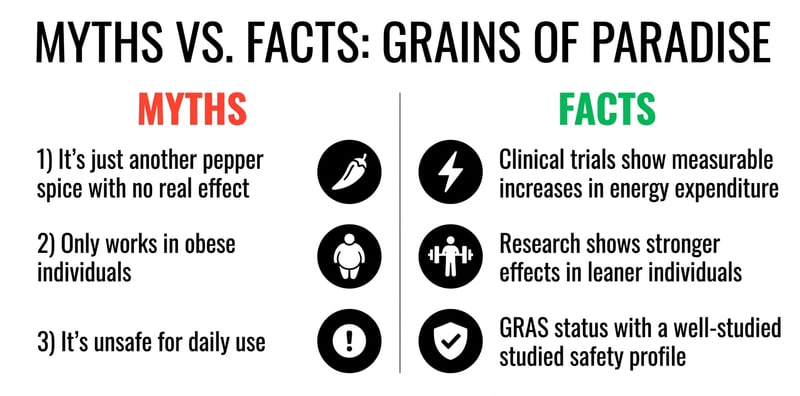
Grains of Paradise has a long safety record as a food spice, and the FDA classifies it as Generally Recognized As Safe (GRAS) in culinary applications. That history matters when evaluating risk. This isn't an obscure synthetic compound with no safety data. It's a food ingredient with centuries of human use behind it.
At supplemental doses, the most commonly reported side effect is mild gastrointestinal discomfort, including bloating or an upset stomach. This is consistent with other pungent spice extracts and typically resolves on its own. Taking the supplement with food reduces the likelihood of GI irritation for most people.
Two populations should avoid supplemental forms: pregnant women and those who are breastfeeding. There simply isn't enough safety data for these groups to make a responsible recommendation. As a culinary spice in food, the exposure is minimal. As a concentrated extract at supplemental doses, the risk-benefit calculation changes without supporting data.
If you have an existing health condition, take prescription medications, or have concerns about how Grains of Paradise interacts with your individual health picture, consult a physician or Registered Dietitian before adding it to your routine. This is practical advice, not excessive caution. High-dose isolated plant extracts can interact with medications, and personalized guidance is always the safer starting point.
Grains of Paradise vs. Other Metabolism-Supporting Supplements
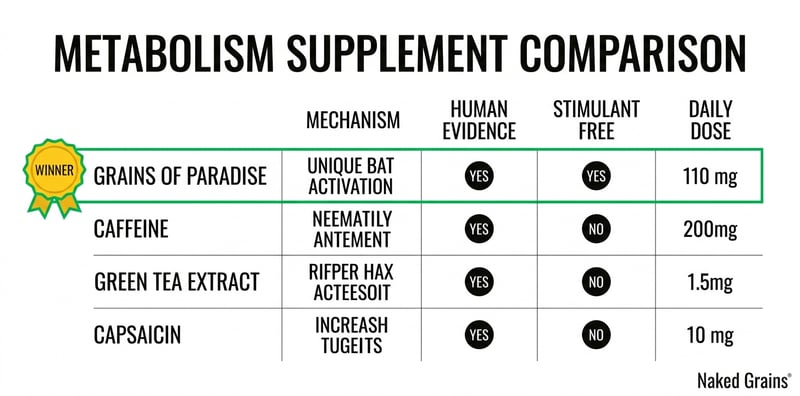
The metabolism-support supplement category is crowded. Caffeine, green tea extract (EGCG), capsaicin, and black pepper extract (piperine) are the most researched ingredients in this space. Understanding where Grains of Paradise fits among them helps you make smarter decisions about what belongs in your stack.
| Ingredient | Primary Mechanism | Stimulant? | Evidence Level |
|---|---|---|---|
| Caffeine | CNS stimulation, lipolysis, thermogenesis | Yes | Strong |
| Green Tea (EGCG) | Inhibits norepinephrine breakdown, mild thermogenesis | Mildly (via caffeine) | Moderate |
| Capsaicin | TRPV1 activation, heat generation, appetite modulation | No | Moderate |
| Piperine (Black Pepper) | Absorption enhancement, mild thermogenesis | No | Moderate |
| Grains of Paradise | BAT activation, direct thermogenesis | No | Emerging |
Grains of Paradise stands apart from caffeine and green tea in one key way: it doesn't work through central nervous system stimulation. For anyone who is sensitive to caffeine, experiences anxiety, has trouble sleeping, or simply wants to avoid stimulants, Grains of Paradise offers a non-stimulant thermogenic pathway through BAT activation. That's a meaningful distinction.
It also has a potentially complementary relationship with other ingredients. Piperine, for example, is widely used to enhance bioavailability of other compounds, and combining it with Grains of Paradise may improve absorption. Capsaicin works through a similar heat-generating mechanism but via different receptor pathways, suggesting the two could have additive effects without redundancy. These are reasonable stacking strategies, though the specific combinations haven't been studied directly in humans yet.
Supporting Your Metabolism Beyond Supplements
Grains of Paradise can contribute to your metabolism-supporting strategy, but no supplement operates in a vacuum. The research on it was conducted in people leading normal lives, not people relying on the extract alone. The foundation still matters most.
Here are the habits with the strongest evidence for supporting metabolic health:
- Strength training: Building muscle mass directly increases resting metabolic rate. Muscle tissue burns more calories at rest than fat tissue. Even two to three resistance sessions per week makes a measurable difference over time.
- Adequate protein intake: Protein has the highest thermic effect of food among the three macronutrients. Your body burns roughly 20 to 30 percent of the calories from protein just to digest and process it. Prioritizing protein at every meal supports both muscle retention and metabolic rate.
- Quality sleep: Poor sleep elevates cortisol, suppresses leptin (the satiety hormone), and raises ghrelin (the hunger hormone). Seven to nine hours of sleep consistently is one of the most underestimated tools for metabolic health and body composition.
- Stress management: Chronic stress drives cortisol elevation, which promotes fat storage in the abdominal region and can blunt the thermogenic response. Practices like structured recovery, breathing work, and reduced training load during high-stress periods all contribute to better metabolic function.
- Consistent movement: Beyond structured workouts, non-exercise activity thermogenesis (NEAT) contributes significantly to total daily calorie burn. Walking, standing, and general daily movement add up.
Grains of Paradise is worth adding to a well-structured routine. Get the foundation right first, and you'll get more out of every supplement you take on top of it.
Frequently Asked Questions
What are grains of paradise and where do they come from?
Grains of paradise (Aframomum melegueta) are seeds from a West African plant in the ginger family. They've been used in traditional African medicine for centuries and share a similar peppery, slightly citrusy flavor profile with black pepper. Today they're studied for metabolic and anti-inflammatory effects, not just culinary ones.
What is the active compound responsible for grains of paradise benefits?
The primary active compound is 6-paradol, along with related pungent compounds including 6-gingerol and 6-shogaol, which are also found in ginger. 6-paradol is the compound most directly linked to brown adipose tissue activation and thermogenic effects. Research isolating this compound shows it stimulates energy expenditure independently of increased physical activity.
Can grains of paradise actually help with fat loss?
The evidence is promising but realistic in scope. A 2013 study by Sugita et al. published in the British Journal of Nutrition found that 40 mg of Aframomum melegueta extract significantly increased whole-body energy expenditure and reduced visceral fat in healthy adults over 4 weeks. It's not a replacement for a calorie deficit, but it can support fat loss when paired with sound nutrition and training.
How do grains of paradise activate brown adipose tissue?
Brown adipose tissue (BAT) is a metabolically active fat that generates heat by burning calories, a process called thermogenesis. Grains of paradise extract appears to stimulate BAT activity through transient receptor potential (TRP) channels, triggering increased calorie burn without raising heart rate or blood pressure in the way stimulants do. This makes it a distinct mechanism from caffeine-based thermogenics.
What is the recommended dosage of grains of paradise?
Clinical studies have used doses ranging from 30 to 40 mg of standardized extract per day, typically taken once daily before a meal. Going beyond this range hasn't been shown to produce proportionally greater benefits, and most quality supplements are formulated within this window. Always check that the product specifies standardized Aframomum melegueta extract, not just raw ground seed powder.
Are there any side effects or safety concerns with grains of paradise?
At doses used in research (30 to 40 mg), grains of paradise is generally well tolerated with no serious adverse effects reported in healthy adults. Because it belongs to the ginger family, people with sensitivity to ginger or related spices should start at a lower dose to assess tolerance. Pregnant or breastfeeding individuals should consult a healthcare provider before using any concentrated herbal extract.
Does grains of paradise have anti-inflammatory benefits?
Yes, and this is an underreported benefit. The pungent compounds in grains of paradise, particularly 6-paradol and 6-gingerol, inhibit pro-inflammatory pathways similar to those targeted by NSAIDs, according to research published in the Journal of Ethnopharmacology. This doesn't mean it replaces medical treatment for inflammatory conditions, but it adds meaningful value for athletes dealing with everyday exercise-induced inflammation.
How do I know if a grains of paradise supplement is high quality?
Look for products that use standardized Aframomum melegueta seed extract and disclose the exact milligram dose per serving. Third-party testing certifications from organizations like Informed Sport or NSF International confirm that what's on the label is actually in the product. Naked Nutrition products are formulated with minimal, clearly labeled ingredients, so you know exactly what you're getting with no proprietary blends hiding underdosed actives.
Top General Nutrition Picks
Chosen by 1 million+ customers. Free shipping on orders over $100.
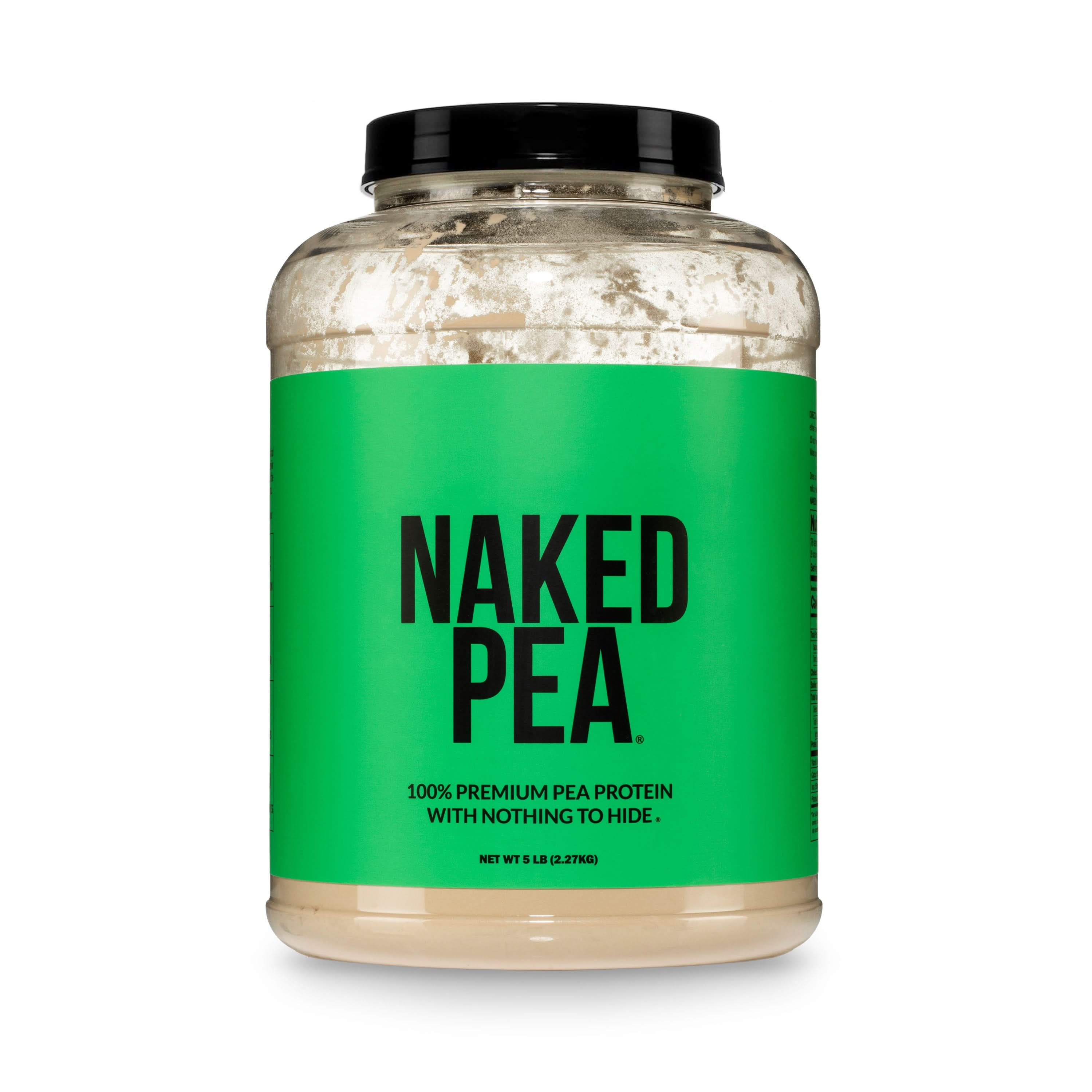
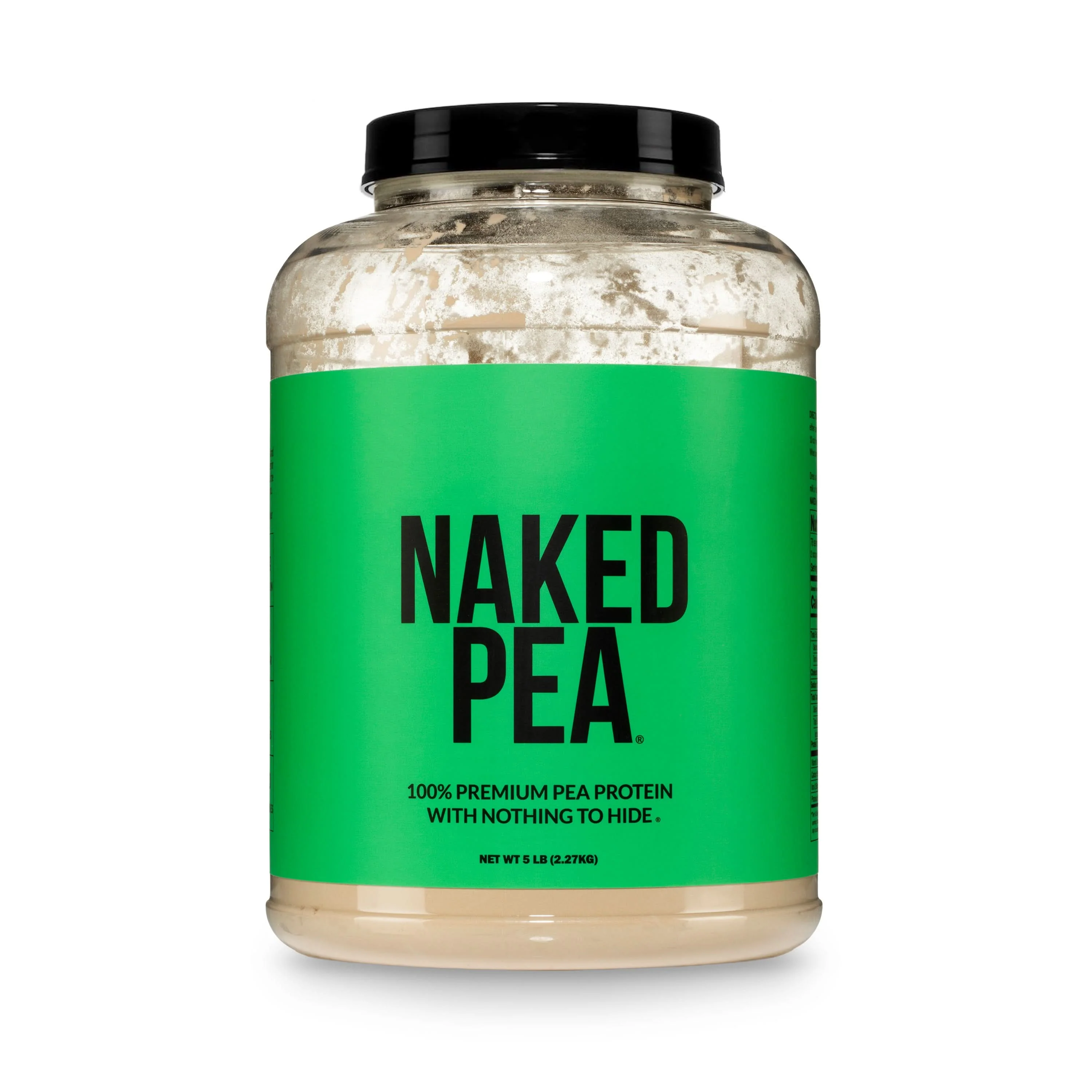
Pea Protein Powder | Naked Pea - 5LB
$57.99
- ✓ Sustainable Farming Practices
- ✓ Superior Amino Acid Profile
- ✓ Promote Muscle Gain
- ✓ Lose Weight
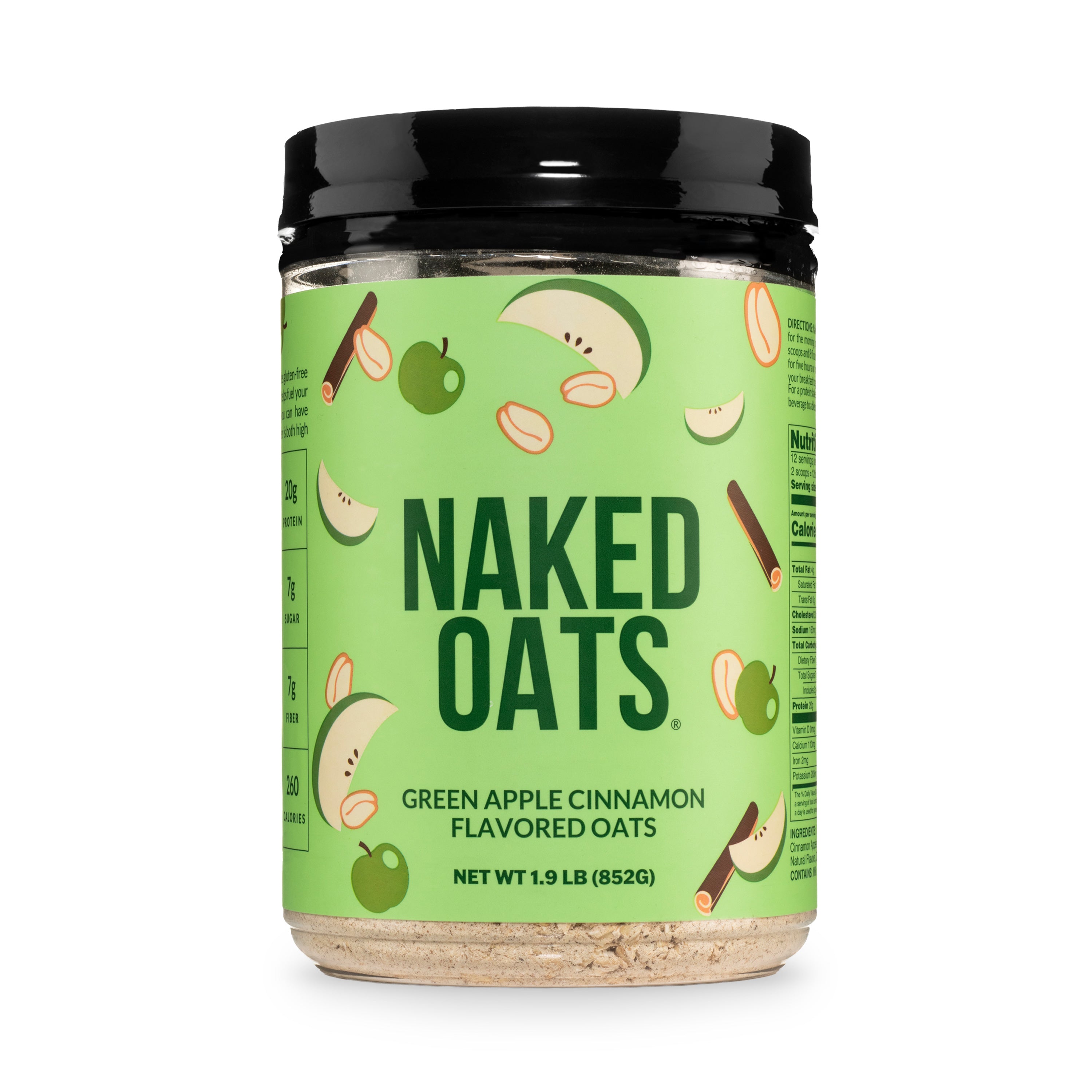
Green Apple Cinnamon Protein Oats | Naked Oats
$29.99
- ✓ Gluten-free rolled oats + premium whey protein
- ✓ Minimally processed oats
- ✓ High protein, high fiber, and low sugar
- ✓ Supports lean muscle, steady energy, and optimal digestion
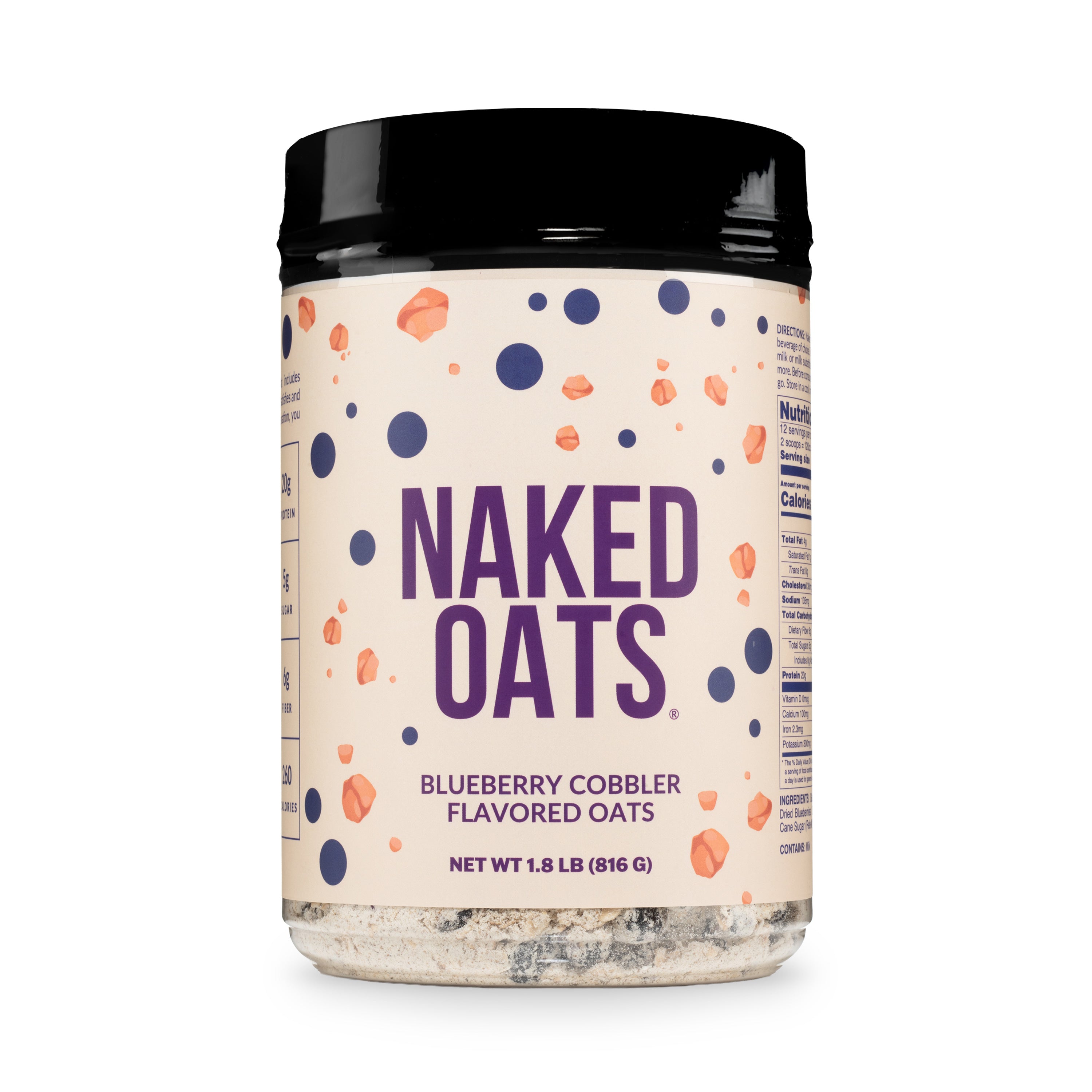
Blueberry Cobbler Protein Oats | Naked Oats
$29.99
- ✓ Gluten-free rolled oats + premium whey protein
- ✓ Minimally processed oats
- ✓ High protein, high fiber, and low sugar
- ✓ Supports lean muscle, steady energy, and optimal digestion