


Key Takeaways
- Protein shakes can cause bloating, but they don't have to: The culprits are usually specific ingredients or consumption habits, not protein itself.
- Lactose is the most common trigger: Whey concentrate contains significantly more lactose than whey isolate, making the type of whey you choose matter for sensitive stomachs.
- Artificial sweeteners compound the problem: A 2022 randomized controlled trial found that non-caloric sweeteners increased diarrhea, post-meal discomfort, and constipation symptoms.
- Hydrolyzed proteins have the strongest clinical evidence: Partially hydrolyzed casein and peptide-based proteins consistently reduce GI symptoms compared to standard protein sources (Laatikainen et al., 2020; Green et al., 2023).
- How you drink your shake matters as much as what's in it: Gulping introduces excess air, overwhelms digestive enzymes, and sets the stage for bloating.
- Gut microbiome composition explains why the same shake affects people differently: A 2022 systematic review confirmed that protein source, amount, and processing all alter gut microbial communities.
- Most bloating is fixable: Simple adjustments to protein type, serving size, timing, and supporting supplements resolve the problem for most people.
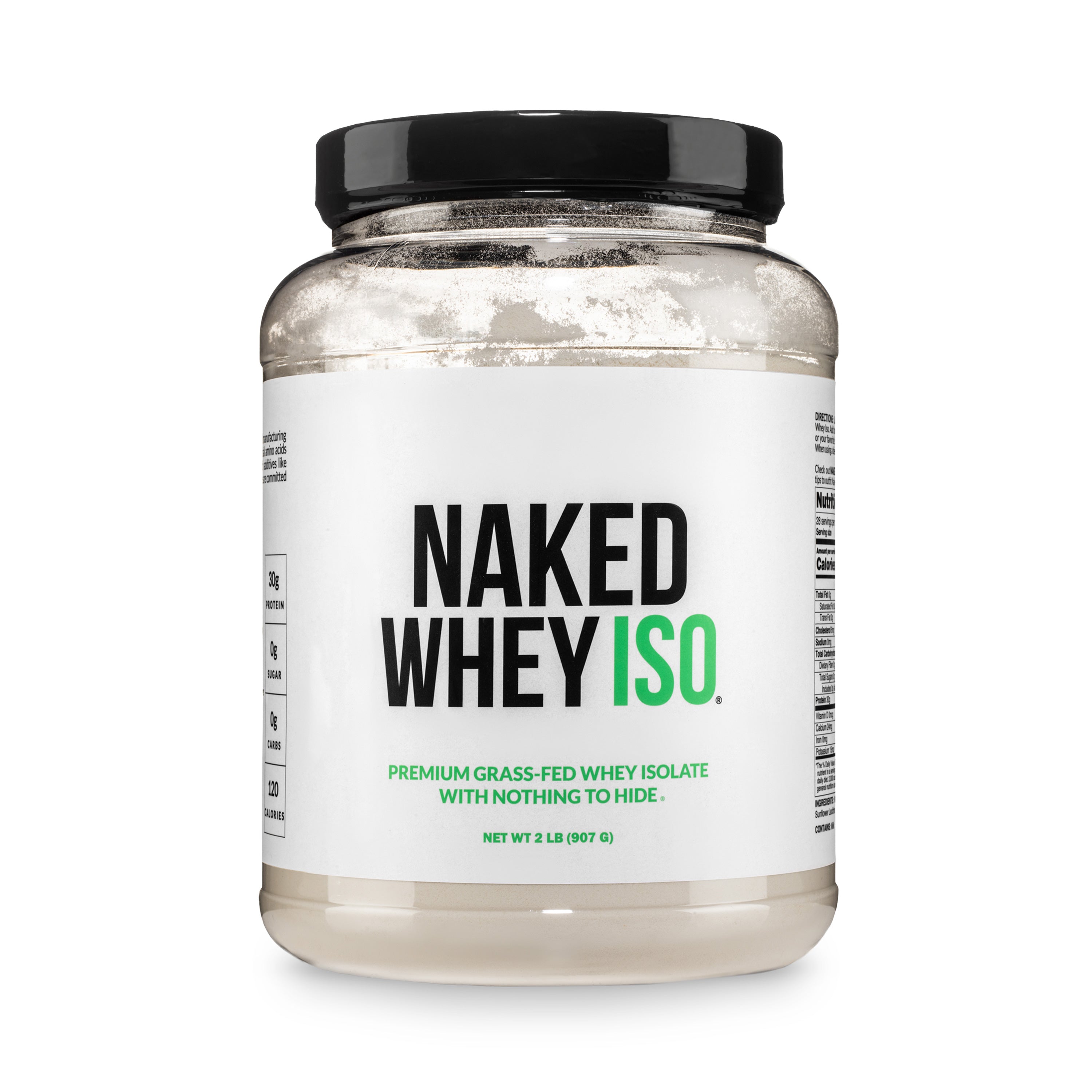
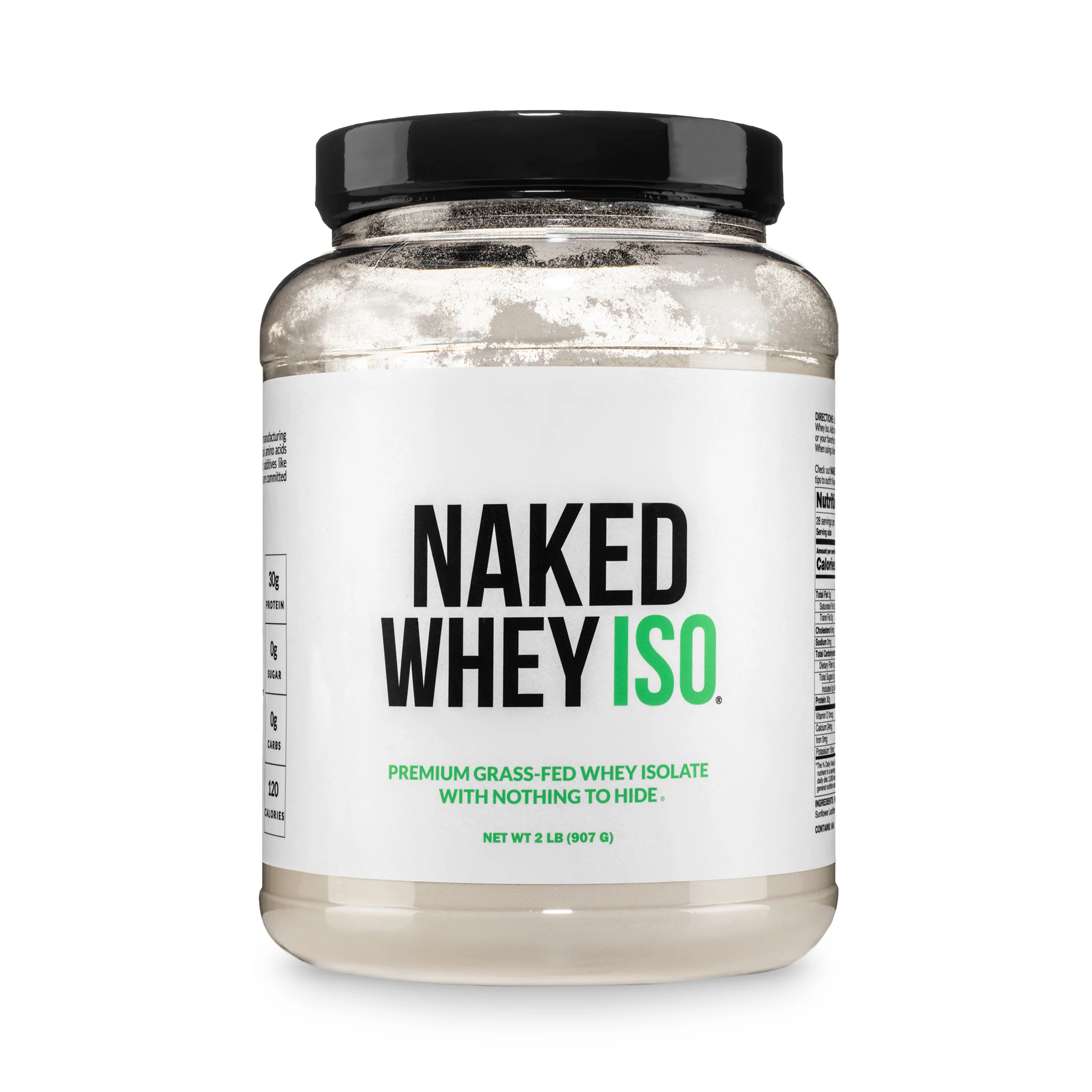
Grass Fed Whey Isolate Protein Powder | Naked Whey Isolate - 2LB
- Whey Protein Base
- Protein Isolate
- Grass-Fed Source
- No Artificial Additives
Do Protein Shakes Cause Bloating? The Short Answer
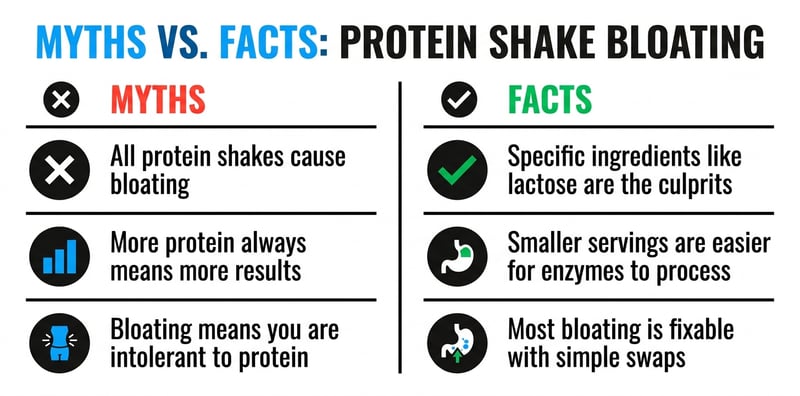
Yes, protein shakes can cause bloating. But the protein itself is rarely the problem. The real culprits are usually specific ingredients inside the formula, the volume you're consuming at once, or habits around how you drink them. Fix those variables, and bloating is largely preventable.
The most common triggers are lactose in dairy-based proteins, artificial sweeteners and sugar alcohols that resist digestion, added fibers and thickeners like inulin and guar gum, and simply drinking too much protein too fast for your digestive enzymes to handle. Each of these has a clear workaround. By the end of this article, you'll know exactly which ones apply to you and what to do about them.
Medical Disclaimer: This content is for informational purposes only and does not constitute medical advice. Always consult a qualified healthcare provider if you experience persistent or severe digestive symptoms, or before making significant changes to your diet or supplement routine.
Why Do Protein Shakes Cause Bloating? The Main Culprits
Most protein shakes aren't just protein. They contain sweeteners, emulsifiers, thickeners, and fibers that each interact with your digestive system in ways that can produce gas, slow gastric emptying, or draw excess water into your gut. Understanding what's in your formula is the first step to solving the problem.
- Lactose (whey concentrate): Approximately 65% of the global population has reduced lactase activity after infancy. Undigested lactose ferments in the colon, producing gas and causing cramping, bloating, and diarrhea.
- Artificial sweeteners and sugar alcohols (sorbitol, xylitol, mannitol): These compounds reach the large intestine largely intact, where gut bacteria ferment them and generate gas. A 2022 randomized controlled trial found that diets containing non-caloric sweeteners increased diarrhea, post-meal discomfort, and constipation compared to control diets.
- Added fibers and thickeners (inulin, xanthan gum, guar gum): These slow gastric emptying and undergo bacterial fermentation in the colon. They also draw water into the digestive tract, amplifying feelings of fullness and distension.
- High serving sizes: A 40g protein bolus challenges your digestive enzymes far more than a 20g serving. Incomplete breakdown leaves protein fragments available for colonic fermentation.
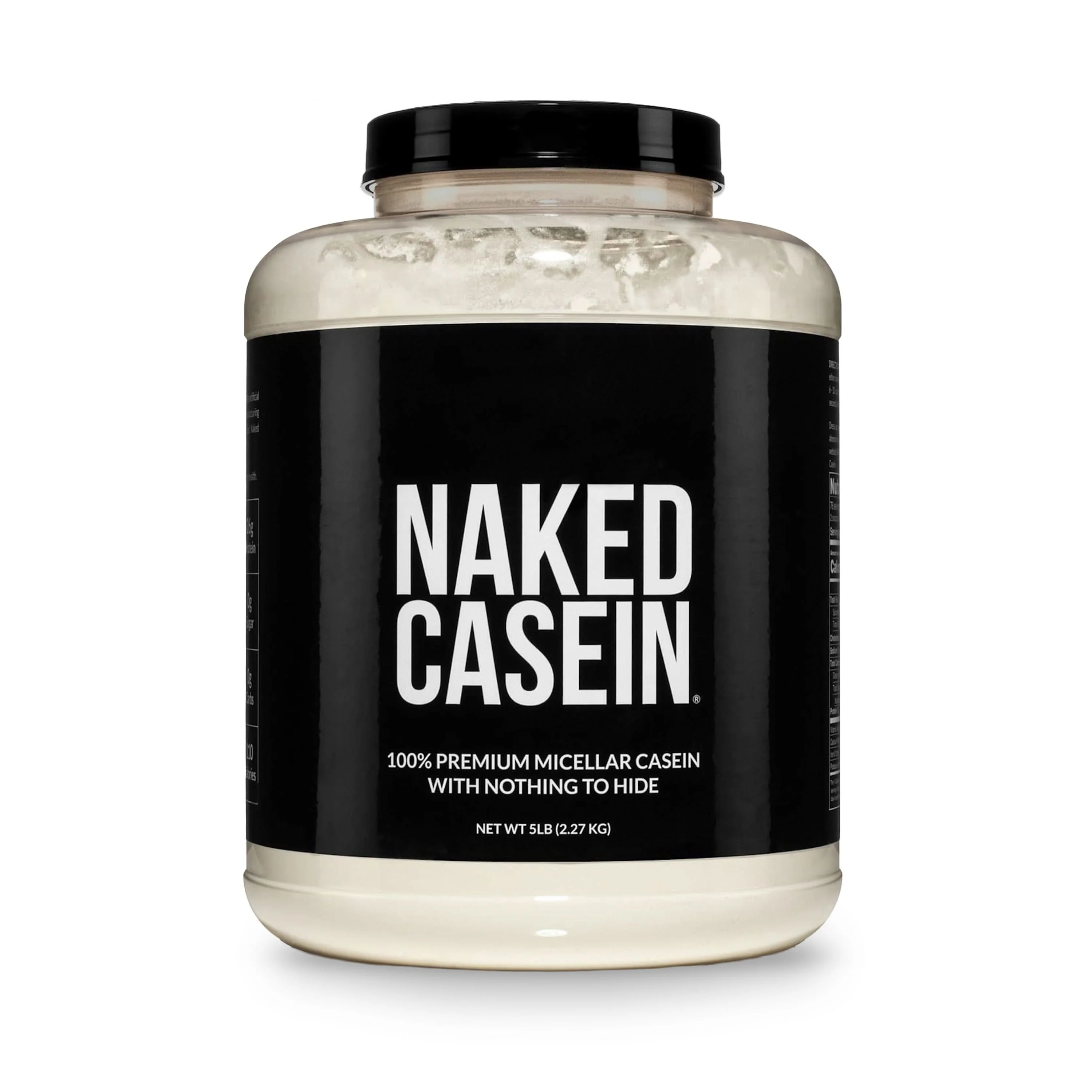
- Casein protein: Slower-digesting than whey, casein can cause bloating in individuals with dairy sensitivity even when lactose content is low, as research has identified casein proteins as triggers for GI symptoms in those with functional gastrointestinal disorders (Laatikainen et al., 2020).
Whey protein isolate sits at the other end of the spectrum from concentrate. The filtration process used to produce isolate removes most of the lactose, leaving less than 1% by weight. If your current whey concentrate is causing bloating, switching to an isolate is often the simplest and most effective change you can make.
How Your Body Digests Protein (And Where It Goes Wrong)
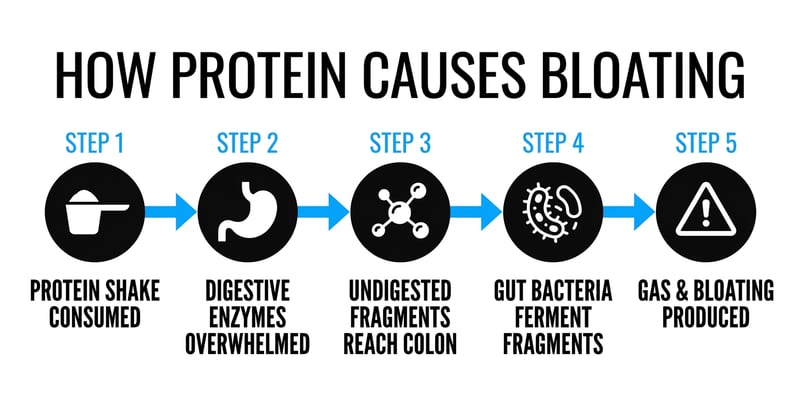
Protein digestion is a multi-stage process that requires significant enzymatic resources. When something disrupts that process, undigested protein reaches the colon, where bacteria ferment it and produce gas as a byproduct.
Here's how the process unfolds, and where things can go sideways:
- Mouth: Mechanical chewing begins breaking down food. With liquid shakes, this stage is minimal.
- Stomach: Hydrochloric acid (pH 1.5 to 3.5) denatures proteins, unfolding their structure. The enzyme pepsin then cleaves proteins into shorter polypeptide chains.
- Small intestine: Pancreatic enzymes, including trypsin and chymotrypsin, continue the breakdown into tripeptides, dipeptides, and individual amino acids that the intestinal wall absorbs into the bloodstream.
- Colon: Anything not absorbed in the small intestine arrives here. Gut bacteria ferment these undigested fragments, producing hydrogen, methane, and carbon dioxide. That gas is what causes bloating.
📊 What Research Says
A 2022 systematic review of 29 studies found that diet induces rapid alterations in gut microbial composition, and that protein content, source, processing method, and interactions with other nutrients all regulate how dietary proteins are digested and what metabolites gut bacteria produce. This is why two people consuming the exact same protein shake can have completely different digestive responses.
Individual variation matters more than most people realize. Genetic factors influence enzyme production levels and intestinal transit time. People with naturally higher digestive enzyme output process the same protein load with less discomfort. Previous dietary habits also shape your gut microbiome, which in turn determines how efficiently your bacteria process protein fermentation without excessive gas output.
One underappreciated factor: drinking a shake quickly introduces excess air into your digestive tract. That air has to go somewhere, and it contributes directly to the bloated, gassy feeling you experience within 30 to 60 minutes of consumption.
Which Protein Powders Are Less Likely to Cause Bloating?
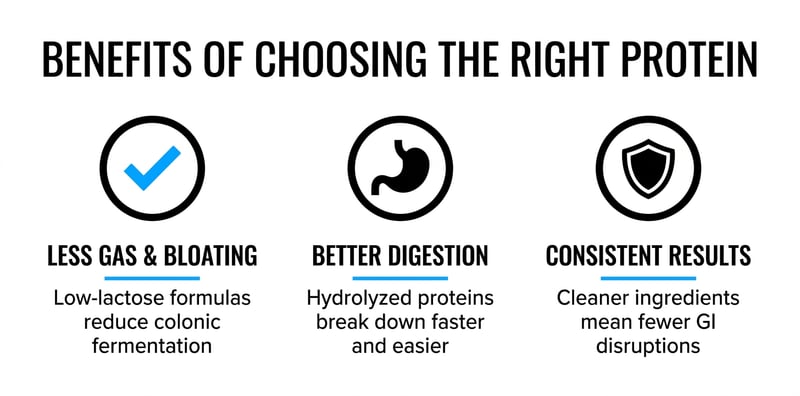
Not all protein powders create the same digestive load. The right choice depends on your specific sensitivity, whether that's lactose, dairy proteins broadly, artificial sweeteners, or high-fiber additives.
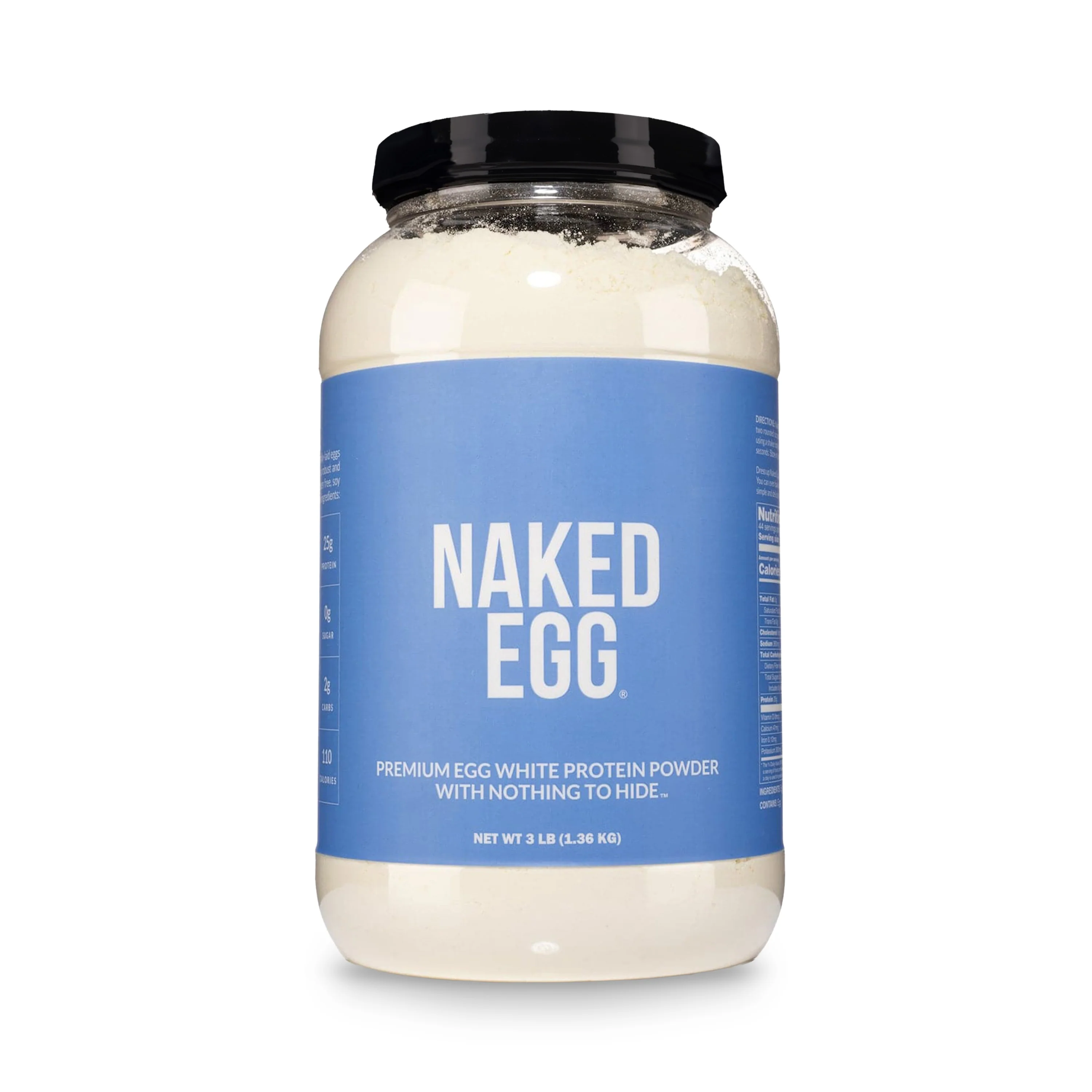
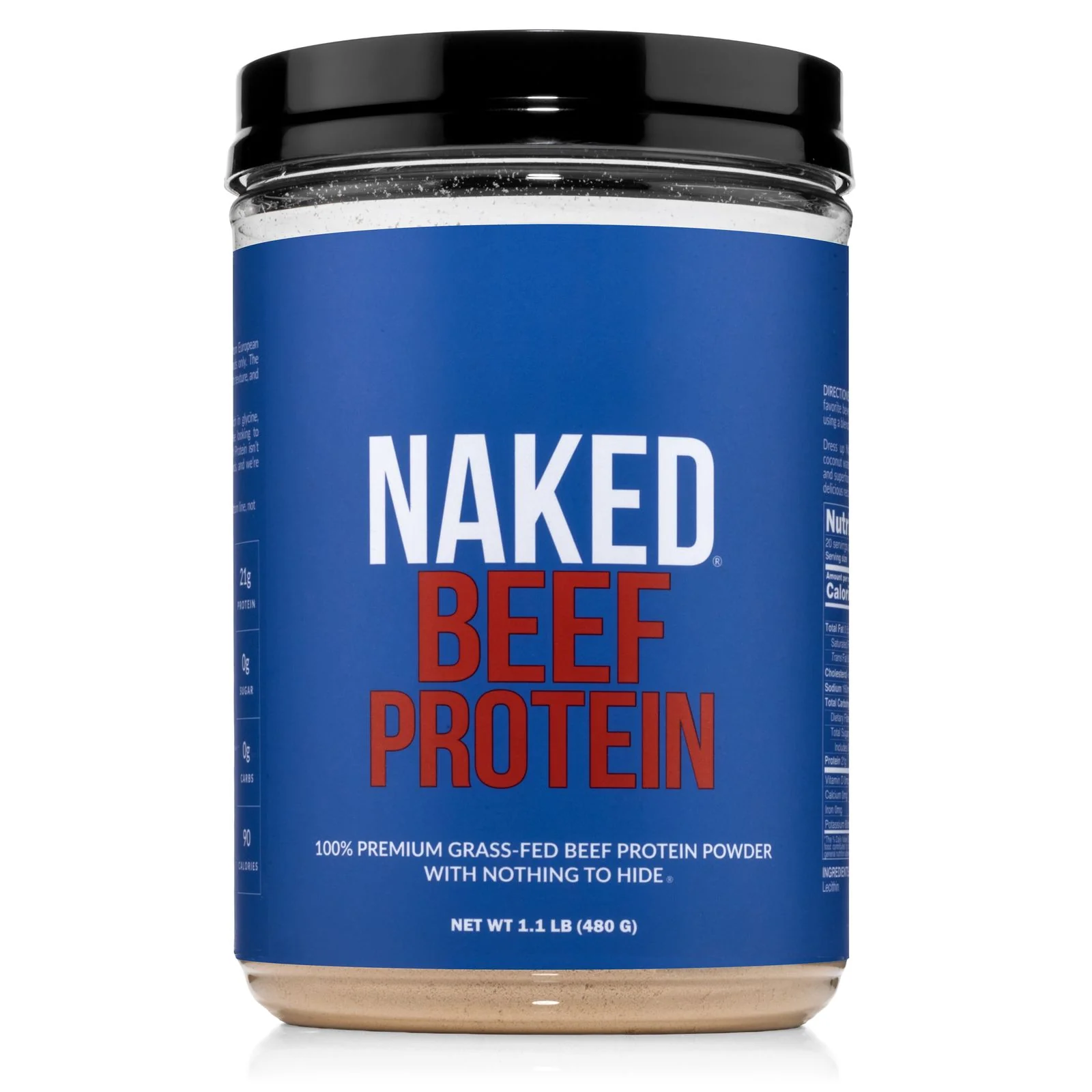
For lactose intolerance: Whey protein isolate contains less than 1% lactose due to its additional filtration steps, making it tolerable for most people with mild to moderate lactose sensitivity. Egg white protein is completely lactose-free and provides a complete amino acid profile. Beef protein isolate is another dairy-free complete protein option worth considering.
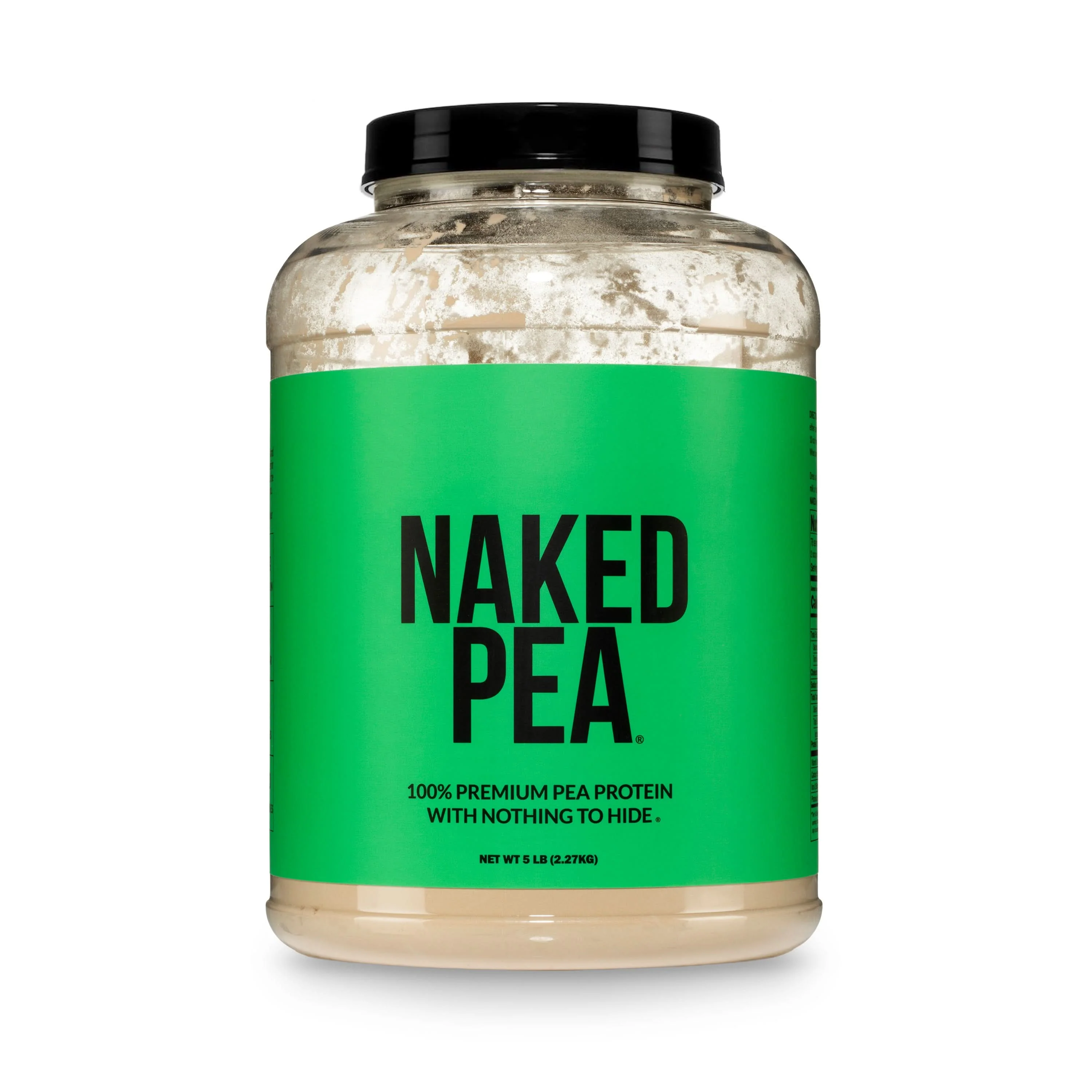
For sensitive stomachs broadly: Plant-based proteins, particularly pea and rice, are inherently lactose-free and free from dairy proteins. Pea protein contains all nine essential amino acids and digests well for most people. Rice protein is hypoallergenic and especially gentle on the GI tract. Hemp protein contains naturally occurring fiber, which some people find supportive of digestion and others find adds to bloating. If you're already sensitive, start with pea or rice before trying hemp.
For the strongest clinical evidence on GI comfort: Hydrolyzed proteins are pre-digested through enzymatic processing before they reach you. The result is smaller peptide fragments that absorb more rapidly and require far less enzymatic work from your body. A randomized controlled trial found that partially hydrolyzed casein significantly decreased bloating, flatulence, and heartburn in subjects with functional GI disorders compared to ordinary milk protein (Laatikainen et al., 2020). A separate study confirmed that adults with impaired GI function showed meaningful improvements in nausea and abdominal pain when switched to a hydrolyzed, peptide-based protein (Green et al., 2023).
For anyone: Unflavored proteins and those sweetened naturally with monk fruit or small amounts of stevia sidestep the artificial sweetener problem entirely. Single-ingredient proteins, those with nothing but the protein source listed, give you the cleanest baseline to work from.
How to Prevent Protein Shake Bloating: 8 Practical Tips
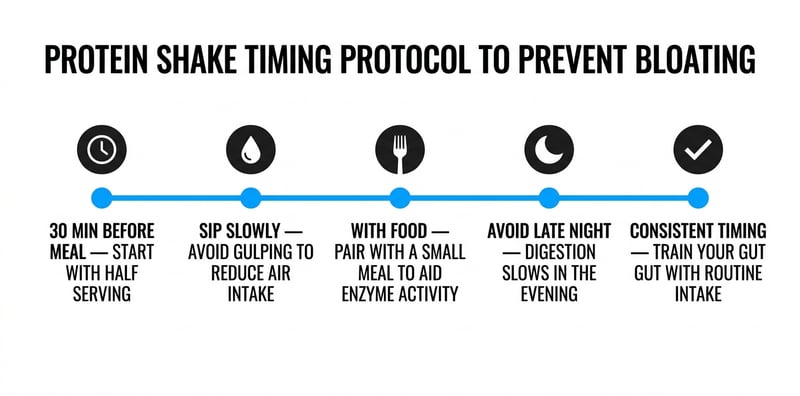
Switching protein types is the most impactful change you can make, but it's not the only one. These habits reduce bloating risk regardless of which protein you use.
- Choose the right protein for your body. If you're lactose sensitive, move to whey isolate, a plant-based protein, or a hydrolyzed option. If artificial sweeteners are your issue, go unflavored or naturally sweetened. Match the product to your specific trigger.
- Mix thoroughly and drink slowly. Use a blender or a shaker with a wire whisk ball for at least 30 to 45 seconds to prevent clumping. Drink over 10 to 15 minutes rather than all at once. Gulping forces air into your digestive tract and overwhelms your enzyme capacity simultaneously.
- Start with half a serving. If you're trying a new protein powder, begin with half a scoop for the first week. This allows your digestive enzymes and gut microbiome to adapt before you scale up to a full serving.
- Stay hydrated throughout the day. Protein draws water into the digestive tract during processing. Inadequate hydration slows that process and concentrates protein in the gut. Distribute your water intake across the day, not just at shake time.
- Take a digestive enzyme supplement. Protease enzymes taken with your shake help break down protein more completely in the small intestine, leaving less available for colonic fermentation. This is a practical bridge solution if you can't switch protein types immediately.
- Add a probiotic or prebiotic. Research shows that combining probiotics and prebiotics with high-protein diets helps maintain gut microbiota stability and reduces GI distress, with particular benefit seen in older adults consuming animal-based proteins (Ford et al., 2017; Ford et al., 2020). Fermented foods like yogurt, kefir, and kimchi provide natural probiotic support alongside your supplementation.
- Pair your shake with carbohydrates. Protein consumed in isolation empties from the stomach more slowly and can disrupt gut microbiota balance over time. A 2018 gastric emptying study found that adding carbohydrates and fat alongside whey protein accelerated gastric emptying compared to whey alone. Pairing your shake with fruit, oats, or a piece of toast reduces digestive transit time and lowers fermentation risk (Ning et al., 2017).
- Time your shake away from intense training if GI issues are severe. Exercise redirects blood flow away from the digestive system. Consuming a large protein shake immediately before or during training, when GI permeability is already elevated, compounds the problem. Aim for at least 60 to 90 minutes before exercise, or wait until after your workout and your heart rate has normalized.
Special Considerations for Athletes
Athletes face a compounded challenge: intense exercise already stresses the gut, and layering protein supplementation on top of that stress amplifies GI symptoms. This isn't a minor inconvenience. It affects training quality, recovery, and supplement compliance.
A study on collegiate Division I athletes found that those using protein supplements reported significantly higher rates of GI symptoms, including stomach pain and hunger pain, compared to athletes who weren't supplementing (Wardenaar et al., 2023). The mechanism is well established: intense physical activity increases intestinal permeability, sometimes called "leaky gut," allowing bacterial components to enter circulation and trigger inflammation. When you add a protein supplement that's already fermentation-prone into a gut with elevated permeability, symptoms escalate.
📊 What Research Says
Research on protein supplements and exercise-induced gut permeability found that supplementation can exacerbate intestinal inflammation in endurance athletes (Sihui et al., 2020). An 8-week study exploring hyperimmunized milk protein showed some promise in mitigating these exercise-induced effects, though the research is preliminary and limited to a specific athlete population.
Practical timing guidelines for athletes: consume protein at least 60 to 90 minutes before training, and wait until your post-exercise heart rate has returned toward baseline before drinking a shake. If you train twice daily or have persistent GI issues, hydrolyzed protein is the most defensible choice, since its smaller peptide size reduces the fermentation load on a gut that's already under stress. Start with smaller post-workout servings of 15 to 20 grams and build up as your tolerance confirms you can handle more.
When to See a Doctor About Bloating From Protein Shakes
Most protein shake bloating resolves once you identify and address the specific trigger. But some symptoms point to something more serious than a poor ingredient choice, and those warrant medical evaluation rather than a DIY supplement swap.
See a doctor if you experience any of the following persistent symptoms that don't improve within two to three weeks of changing your protein type and habits:
- Severe abdominal pain that interferes with daily activities
- Bloating that persists regardless of which protein product you use
- Consistent nausea or vomiting after protein consumption
- Unexplained weight loss alongside digestive symptoms
- Chronic diarrhea or constipation linked to protein intake
Seek emergency care immediately if you experience:
- Difficulty breathing or throat tightness after consuming a protein shake
- Hives, widespread rash, or significant facial swelling
- Sudden dizziness or feeling faint
- Rapid heartbeat without exertion
These symptoms indicate a potential allergic reaction, which can be life-threatening and requires emergency treatment, not dietary adjustment.
If you have a pre-existing condition, including IBS, IBD, celiac disease, kidney disease, or liver conditions, consult a healthcare provider before starting protein supplementation. High-protein intake can interact with these conditions in ways that require personalized guidance, and the wrong protein type can worsen symptoms significantly. A registered dietitian can help you identify which protein sources are compatible with your condition and what serving sizes are appropriate.
The reassuring reality is that for most people, bloating from protein shakes is a solvable problem. It takes some troubleshooting to find the right protein type and consumption approach, but the fix rarely requires medical intervention. Start with the simplest changes first: switch your protein type, slow down how you drink it, and reduce your serving size. Most people find their answer within two weeks.
Frequently Asked Questions
Do protein shakes cause bloating for everyone?
No, protein shakes don't cause bloating for everyone. Bloating typically comes from specific ingredients like lactose, artificial sweeteners, or fillers rather than protein itself, so many people tolerate a well-formulated shake without any digestive discomfort. If you're experiencing bloating, the shake's ingredient list is the first place to look.
Why does whey protein cause bloating in some people?
Whey concentrate contains lactose, and people with lactose intolerance lack enough lactase enzyme to break it down properly, which leads to gas, cramping, and bloating. Whey isolate goes through additional filtration that removes most of the lactose, making it a better option if you're sensitive. Switching from concentrate to isolate resolves the problem for most people.
Can artificial sweeteners in protein powder cause bloating?
Yes, sugar alcohols like sorbitol, xylitol, and mannitol are poorly absorbed in the small intestine and ferment in the colon, producing gas and bloating. Even non-caloric sweeteners like sucralose have been shown in research to alter gut microbiota composition at high doses, which can disrupt digestion. Choosing a protein powder sweetened with stevia or nothing at all reduces this risk considerably.
Does plant-based protein powder cause less bloating than whey?
It depends on the person and the specific plant protein used. Pea protein is generally well-tolerated, but some people experience bloating from soy protein or from the fiber naturally present in brown rice protein. If you're switching from whey due to lactose sensitivity, pea protein isolate is usually the most digestive-friendly starting point.
How quickly do you typically drink your protein shake, and does it matter?
Drinking a shake too quickly causes you to swallow excess air, which contributes directly to bloating. Sipping your shake over five to ten minutes rather than gulping it down gives your digestive system time to process the liquid and reduces air intake. Blending instead of shaking can also introduce more air bubbles, so letting a blended shake sit for a minute before drinking helps.
Can drinking protein shakes on an empty stomach make bloating worse?
For some people, yes. A concentrated protein load on an empty stomach can slow gastric emptying and cause discomfort, particularly with higher-fat protein formulas or those mixed with milk. Consuming your shake alongside or shortly after a small meal gives your digestive enzymes a better environment to work in and often reduces symptoms.
Are Naked Nutrition protein powders formulated to minimize bloating?
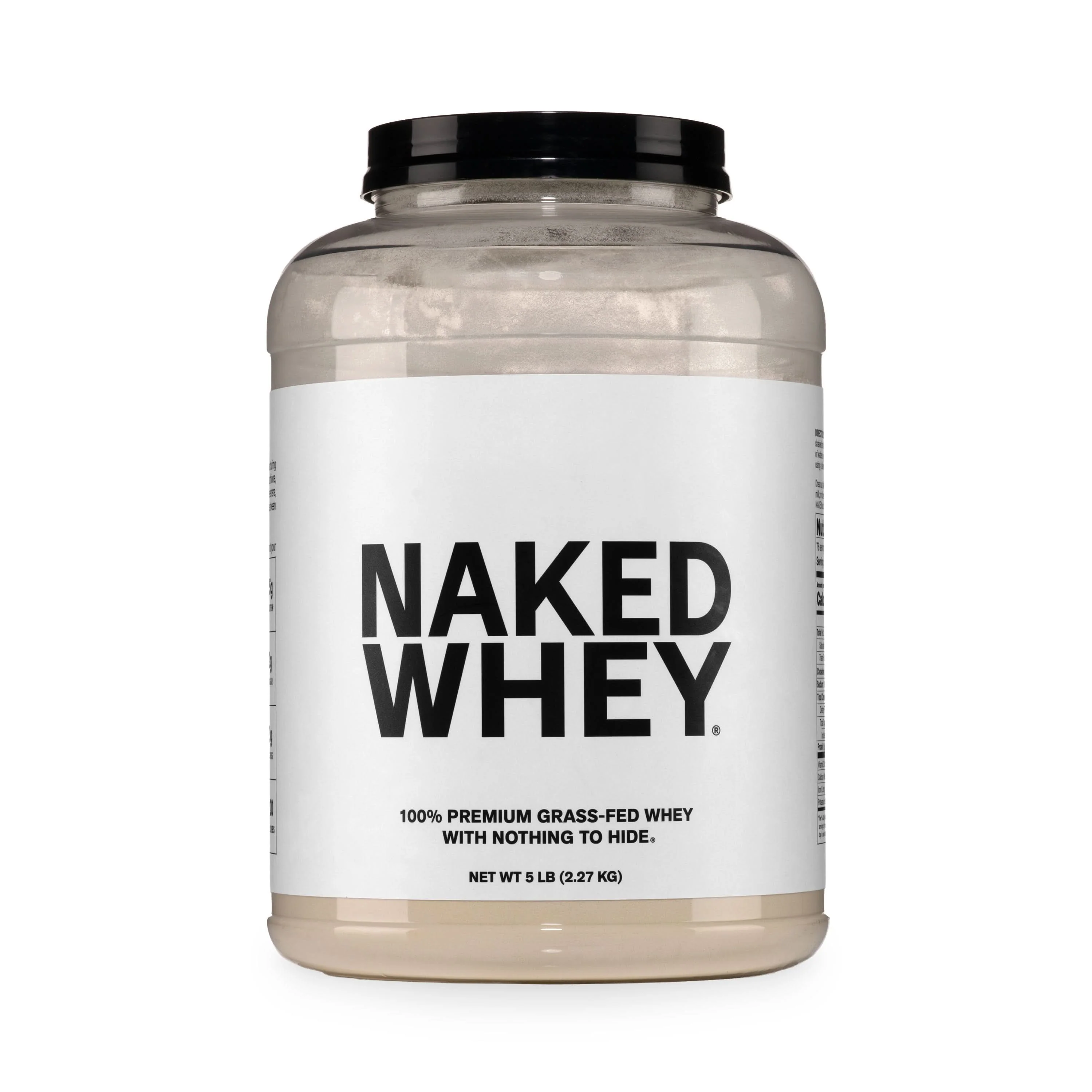
Naked Nutrition products use short ingredient lists with no artificial sweeteners, no fillers, and no proprietary blends that hide low-quality additives. For example, Naked Whey uses whey protein concentrate sourced from grass-fed cows with no added sugars or artificial flavors, which removes several of the most common bloating triggers. If you're lactose-sensitive, Naked Pea or Naked Rice offer dairy-free alternatives with the same clean formulation standards.
When should you see a doctor about protein shake bloating?
If switching to a cleaner protein powder and adjusting your intake habits doesn't resolve the bloating within two to three weeks, it's worth speaking to a healthcare provider. Persistent bloating alongside symptoms like diarrhea, constipation, or abdominal pain could indicate an underlying condition such as irritable bowel syndrome or a food intolerance unrelated to protein. A registered dietitian can run a targeted elimination protocol to identify the specific trigger.
Top General Nutrition Picks
Chosen by 1 million+ customers. Free shipping on orders over $100.
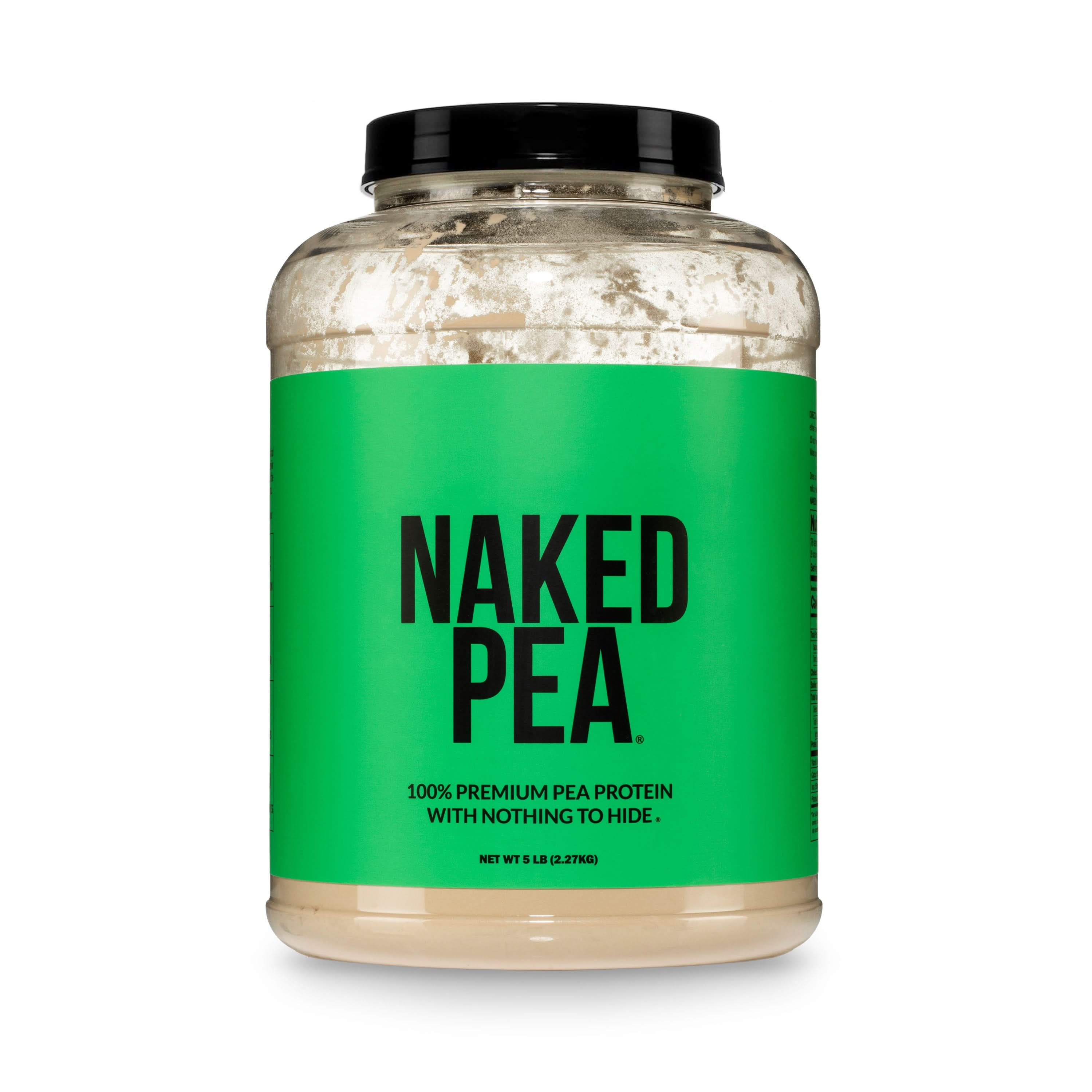
Pea Protein Powder | Naked Pea - 5LB
$57.99
- ✓ Sustainable Farming Practices
- ✓ Superior Amino Acid Profile
- ✓ Promote Muscle Gain
- ✓ Lose Weight
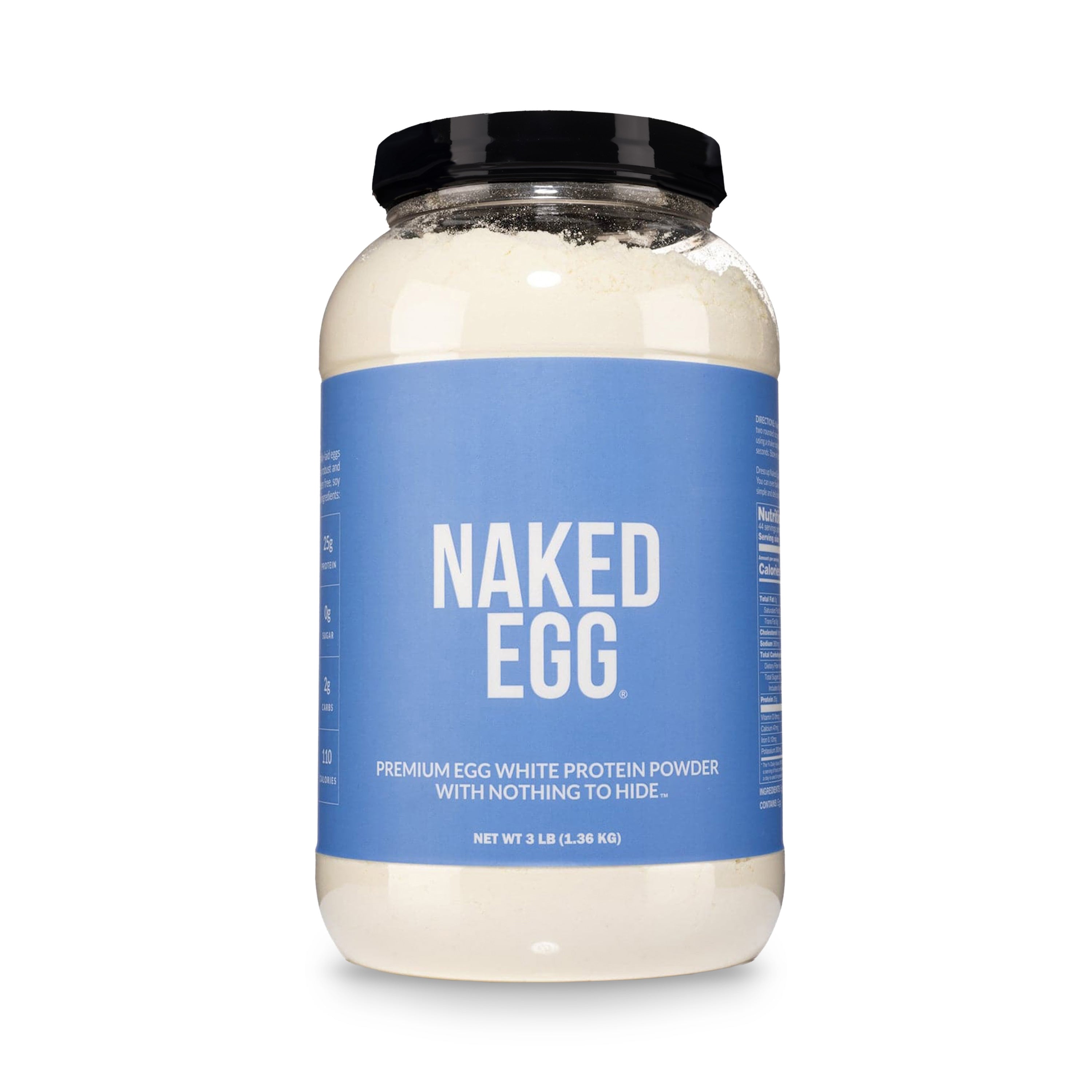
Egg White Protein Powder | Naked Egg - 3LB
$79.99
- ✓ From non-GMO eggs exclusively from US farms
- ✓ Processed from fresh eggs into powder in under one day to retain a complete amino acid profile
- ✓ 25g of protein and 5.8g of BCAA's per serving
- ✓ Zero sugar
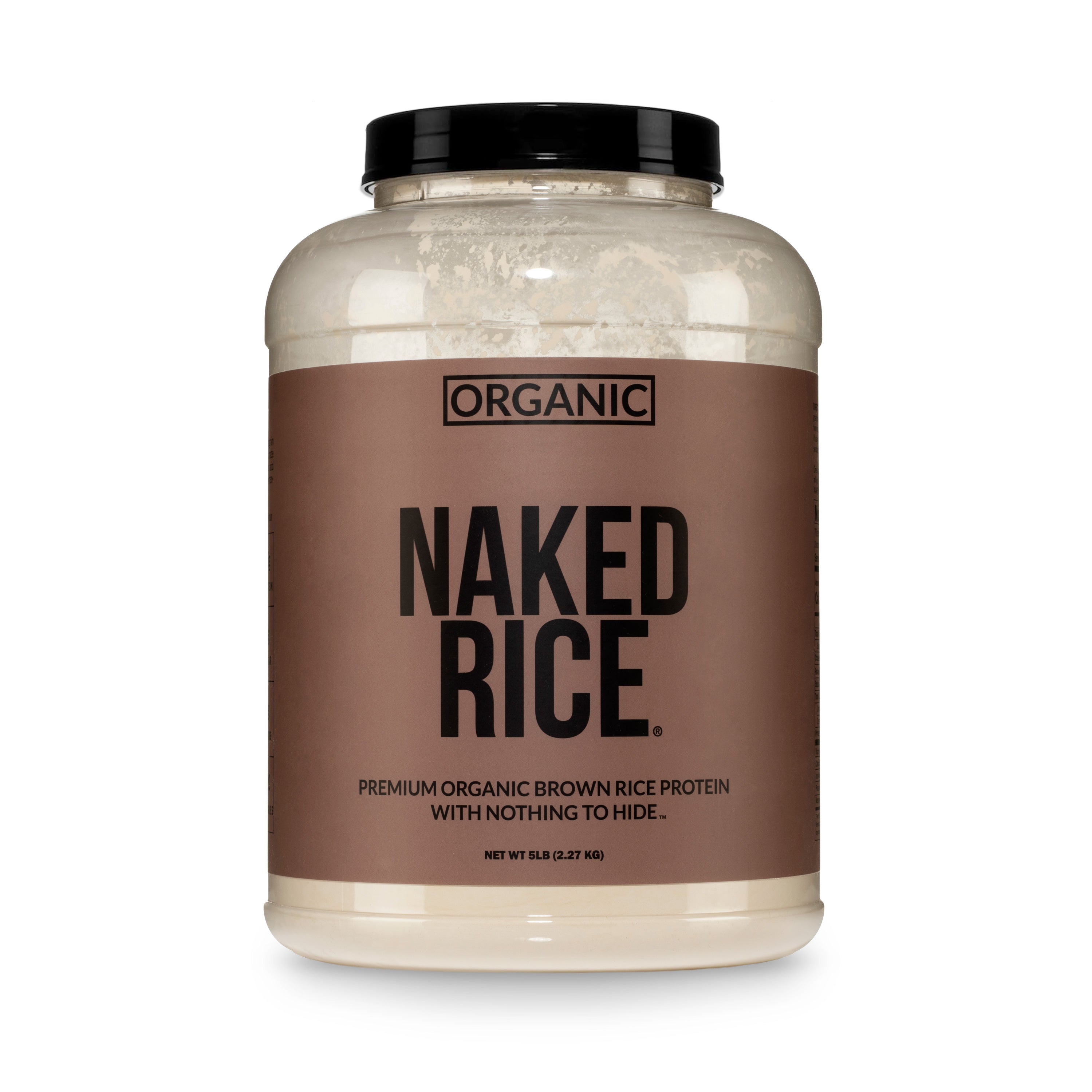
Organic Brown Rice Protein Powder - 5LB
$74.99
- ✓ Superior Amino Acid Profile
- ✓ Promote Muscle Gain
- ✓ Lose Weight
- ✓ Boost Protein Intake